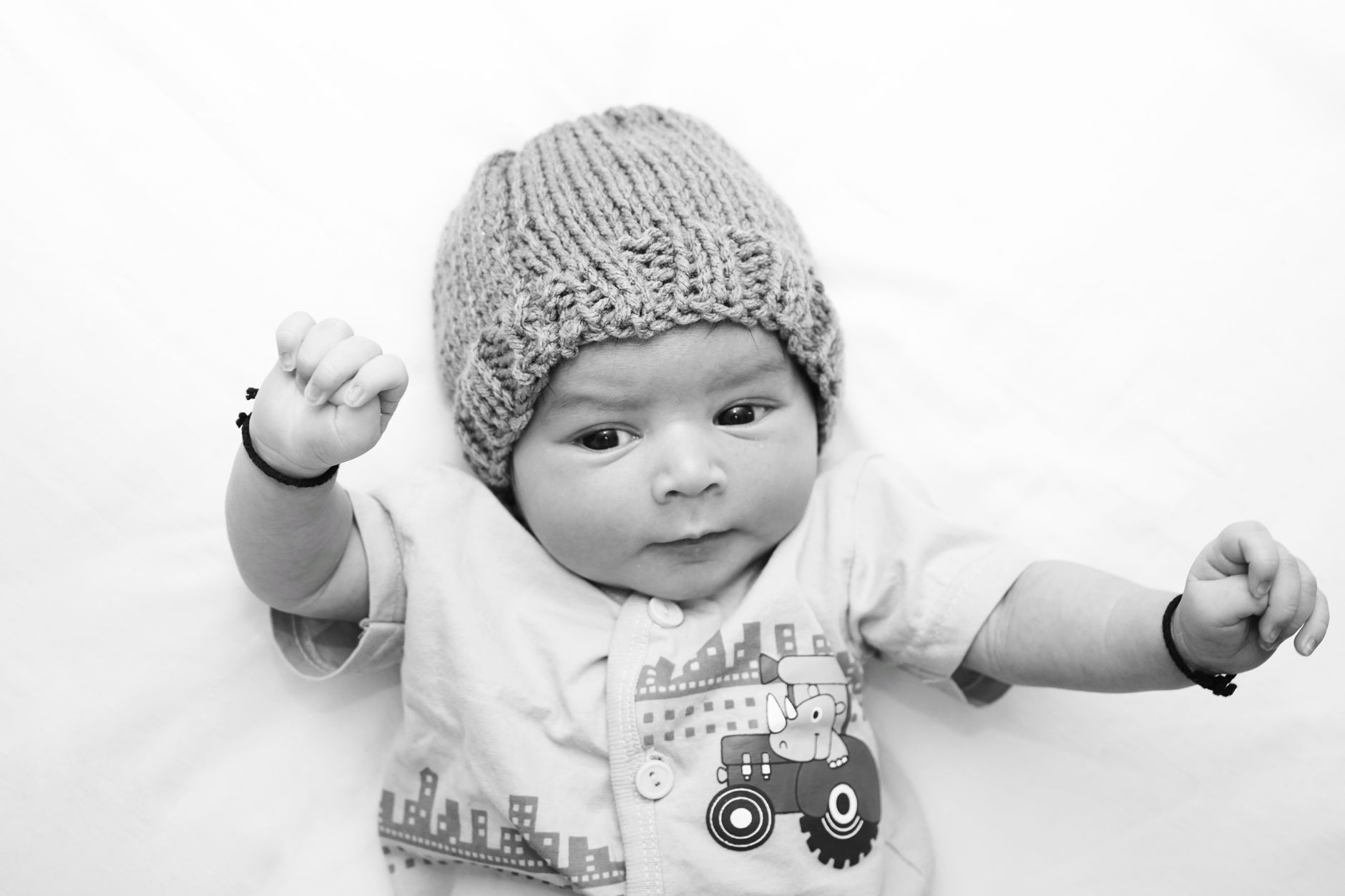
As a parent, you eagerly await every little milestone your baby achieves. One of the most heartwarming is when they first recognize their own name! It’s a significant step in their language development, a sign they’re connecting with you and the world around them. But when exactly does this happen? And what if your baby seems to be taking a little longer? This guide will walk you through what to expect, how to encourage this milestone, and when to seek professional advice.
Understanding Early Language Development
Babies are incredible learners from the moment they are born. Their brains are wired to absorb information, and language is a primary focus. The journey from coos and gurgles to understanding words and eventually speaking is a fascinating one. Recognizing their name is one of the earliest and most important steps in this process. It signifies that your baby is not just hearing sounds, but is beginning to associate specific sounds – their name – with themselves and with your attention.
The Typical Timeline: When to Expect Name Recognition
Every baby is unique, and their developmental pace varies. However, there's a general timeline that most pediatricians and child development experts follow. For recognizing their name, this milestone typically emerges between 4 and 9 months of age.
Early Bloomers: 4-6 Months
Some little ones show signs of recognizing their name as early as 4 to 6 months. You might notice them turning their head towards you when you call them, or perhaps their eyes widen slightly. This is often a subtle cue, and it might not be consistent at this stage. Don't worry if your baby isn't doing this yet; they are still developing!
The Majority Milestone: 7-9 Months
By the time your baby reaches 7 to 9 months, most parents observe a more consistent response. Your baby will likely turn to look at you, make a sound, or show some other form of recognition when their name is called. This is a clear indication that they are starting to understand that this particular sound refers to them.
Distinguishing Recognition from Saying the Name
It's vital to differentiate between understanding and speaking. While your baby might recognize their name between 4 and 9 months, saying their own name is a much later milestone. This usually doesn't happen until somewhere between 18 and 24 months. And saying their full name upon request? That's typically a goal achieved between 2 and 3 years old. So, don't expect your little one to call themselves by name anytime soon!
Signs Your Baby Recognizes Their Name
How can you be sure your baby is actually recognizing their name and not just reacting to your voice or movement? While it's hard to be 100% certain, consistency is key.
- Turning Towards the Sound: The most common sign is your baby turning their head or body towards you when you say their name.
- Eye Contact: They might make eye contact with you after hearing their name.
- Vocalizations: Some babies will make a happy sound or babble in response.
- Changes in Behavior: They might stop an activity briefly or show a change in their facial expression.
Remember, these signs might be subtle at first. Pay close attention to your baby’s body language and any sounds they make. If these responses are consistent when you call their name, you can be fairly confident they know it!
Helping Your Baby Learn Their Name
You play a significant role in helping your baby master this milestone. Here are some fun and effective ways to encourage name recognition:
1. Repetition is Key
Use your baby’s name frequently throughout the day. Integrate it naturally into your conversations and interactions. For example:
- “Aarav, would you like some milk?”
- “Look at the pretty ball, Diya!”
- “It’s time for your bath, Rohan!”
The more they hear their name in different contexts, the stronger the association will become. Make it a part of their daily routine.
2. Create a Calm Environment
Sometimes, distractions can hinder learning. If you feel your baby isn’t responding, try moving to a quieter space. Offer a familiar toy and observe them. Then, gently say their name. A less stimulating environment might help them focus better on the sound.
3. Vary Your Tone
Babies are often more responsive to different vocal tones. Try calling your baby's name in a singsong voice, an excited whisper, or a gentle, melodic tone. Experiment to see what captures their attention best. A slightly different tone can make their name stand out from other words.
4. Use Photos and Visuals
Make learning interactive and fun! Create a simple photo album with pictures of family members, including your baby. Point to each person and say their name. When you point to your baby’s photo, say their name enthusiastically. You can say things like:
- “Look, that’s Grandma!”
- “And there you are, Priya!”
This connects their name with their image, reinforcing the recognition.
5. Play the “What’s Your Name?” Game (for Toddlers)
As your child gets older, around the toddler stage, you can introduce a simple game. Ask:
- “What’s your name?”
- Then, immediately follow up by saying their name clearly and slowly.
With practice, your child might start to answer before you do, or at least respond more readily. This is a great way to build on their existing recognition.
When to Consult a Doctor or Pediatrician
While every baby develops at their own pace, there are certain red flags that might warrant a discussion with your pediatrician. If your baby is 12 months old (1 year) and consistently shows no signs of recognizing their name, it’s a good idea to bring it up.
Potential Reasons for Delayed Recognition
A lack of response to their name by 12 months could indicate several things:
- Hearing Difficulties: Sometimes, the issue might be with hearing. A simple hearing test can rule this out.
- Developmental Delays: In some cases, it can be an early indicator of broader developmental delays, including those related to social communication or language.
- Autism Spectrum Disorder (ASD): Researchers have suggested that not responding to one's name by 12 months can sometimes be an early marker for ASD. It's important to remember this is just one potential sign among many, and a diagnosis requires comprehensive evaluation by specialists.
- Language Disorders: Other specific language impairments can also affect a child's ability to process and respond to spoken language.
Don't Panic! If your pediatrician expresses concern, they will likely recommend further assessment. Early intervention is key for any developmental challenges, and a pediatrician is your best resource for guidance and support.
Frequently Asked Questions (FAQ)
Q1: My baby sometimes turns their head when I say their name, but not always. Is this normal?
A: Absolutely! Consistency is something that develops over time. Between 4 and 9 months, you'll see a range of responses, and it might not be 100% consistent, especially in the earlier part of that window. Keep encouraging them, and the consistency will likely improve.
Q2: My baby’s name is quite long (e.g., 'Gwendolyn'). Is it harder for them to learn?
A: While shorter, simpler names might be slightly easier to articulate initially for the baby when they start talking, recognition depends more on the sound and frequency of hearing it. You can help by consistently using their full name, and perhaps introducing a shorter, affectionate nickname that you also use frequently. This can make it easier for them to grasp.
Q3: My baby responds to other sounds or when I talk to them, but not specifically their name. What should I do?
A: This is a common situation. Continue with the methods mentioned above, focusing on using their name frequently and clearly in various contexts. Make sure you’re not always calling their name when something negative is about to happen (like a diaper change). Try to associate their name with positive interactions and play. If the lack of specific response to their name persists beyond 9-10 months, it's worth a gentle mention to your pediatrician.
Q4: Can older siblings help with teaching the baby their name?
A: Yes, definitely! Encourage older siblings to say the baby's name during play. This not only helps the baby learn their name but also strengthens the bond between the siblings. Ensure the older child uses the name clearly and lovingly.
Conclusion: A Journey of Connection
Watching your baby learn to recognize their name is a beautiful milestone. It’s a testament to their growing cognitive abilities and the strong bond you share. Remember to be patient, consistent, and celebrate every small step. Enjoy this phase of discovery with your little one. If you ever have concerns about your baby's development, never hesitate to reach out to your trusted healthcare provider. They are your partners in ensuring your child’s healthy growth and well-being.
Additional Medical Guidance
This section adds practical context and preventive advice to help readers make informed healthcare decisions. It is important to verify symptoms early, consult qualified doctors, and avoid self-medication for persistent health issues.
Maintaining healthy routines, following prescribed treatment plans, and attending regular checkups can improve outcomes. If symptoms worsen or red-flag signs appear, immediate medical evaluation is recommended.
Quick Checklist
Track symptoms and duration.
Follow diagnosis and treatment from a licensed practitioner.
Review medication side effects with your doctor.
Seek urgent care for severe warning signs.