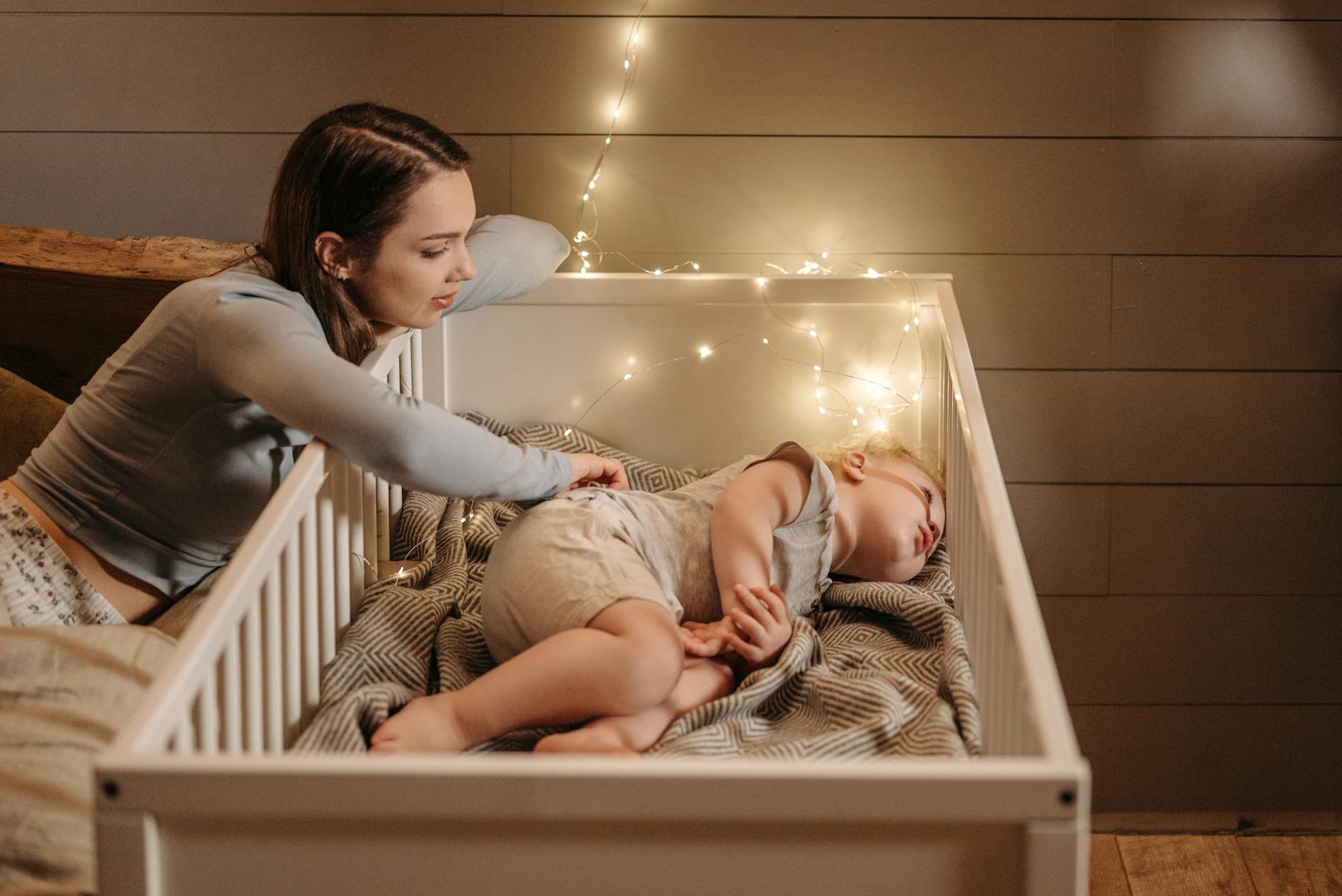
As new parents, you want the absolute best for your baby, and that includes ensuring they have a safe and comfortable place to sleep. In the quest for a good night's rest for both baby and parents, many products have emerged, promising to make sleep easier. One such product that has gained popularity is the inclined baby sleeper. These products typically feature a cot or sleeping area set at a slight incline, often between 10 and 30 degrees. For years, some manufacturers marketed these inclined sleepers as a safe haven for infants to snooze, even suggesting they could help with issues like reflux or spitting up. However, reputable medical organizations, including the American Academy of Pediatrics (AAP), have consistently warned against their use. This article will explain why inclined baby sleepers pose a significant risk to your infant's safety and what safer alternatives you can consider.
Understanding the Risks of Inclined Sleepers
The primary concern with inclined baby sleepers is the increased risk of suffocation and other serious injuries. The incline itself creates a dangerous situation for a developing baby. Here's a breakdown of the specific dangers:
Airway Obstruction
When a baby is placed on an inclined surface, their head can naturally slump forward into a chin-to-chest position. This posture can obstruct their airway, making it difficult for them to breathe. Young infants have limited neck strength and mobility, making it hard for them to reposition themselves if their airway becomes compromised. Imagine a scenario where you've just put your little one down for a nap in their inclined sleeper after a feed. You step away for a few minutes, and when you return, you notice your baby's head has fallen forward, and they seem to be struggling to breathe. This is a terrifying reality that parents must be aware of.
Risk of Rolling and Suffocation
Babies can shift and roll even when they are very young. In an inclined sleeper, this movement can be even more dangerous. If a baby rolls, their face can become pressed against the soft padding of the sleeper, leading to suffocation. The incline can also make it easier for a baby to roll out of the sleeper entirely, potentially causing injury from the fall or the sleeper tipping over, trapping the baby underneath.
Soft Surfaces Amplify Danger
The risk is further amplified when inclined sleepers are combined with soft or plush surfaces. While these might seem comfortable, they increase the likelihood of a baby's face sinking into the material, obstructing breathing. Medical professionals strongly recommend a flat, firm sleep surface for infants.
Why Are They Still Available?
Despite the clear dangers, inclined sleepers have remained on the market for a period. This is often due to the time it takes for regulatory bodies to identify, investigate, and recall unsafe products. The Consumer Product Safety Commission (CPSC) in the United States, for instance, has received numerous incident reports related to inclined baby sleeper injuries, including tragic infant deaths. While many products have been recalled, it's essential for parents to stay informed and check the CPSC website or similar consumer safety resources for the latest recall information.
It's a common misconception that the incline helps babies with reflux or spitting up. However, medical experts state that this is not the case, and the risks associated with the incline far outweigh any perceived benefits. If your baby experiences reflux, it is best to discuss this with your pediatrician, who can offer safe and effective management strategies.
Safe Sleep Practices for Your Baby: The ABCs
The American Academy of Pediatrics (AAP) provides clear guidelines for safe infant sleep, often summarized by the ABCs:
- A is for Alone: Your baby should sleep alone in their own sleep space. Avoid co-sleeping on a couch or armchair, and ensure no other children or pets share the sleep space.
- B is for Back: Always place your baby on their back to sleep, for every sleep, until they are 1 year old. This is the safest sleep position.
- C is for Crib: Your baby should sleep in a crib, bassinet, or play yard that meets safety standards. The sleep surface must be firm and flat, and the crib should be free of soft items like blankets, bumpers, pillows, and toys that could pose a suffocation risk.
Adhering to these guidelines is the most effective way to ensure your baby's safety during sleep. A firm, flat crib mattress with a fitted sheet is the only recommended sleep surface for infants.
What to Do If You Have an Inclined Sleeper
If you own an inclined baby sleeper, it is crucial to stop using it immediately. Check the CPSC website or your country's equivalent consumer product safety agency for recall information. Many manufacturers offer refunds or replacements for recalled products. Do not attempt to modify or continue using the product, as it remains unsafe.
Safer Alternatives for Your Baby's Sleep and Soothing
Finding safe alternatives for your baby's sleep and soothing needs is essential. Here are some options:
Approved Cribs and Bassinets
Ensure your baby sleeps in a crib or bassinet that meets current safety standards. These products are designed to provide a firm, flat sleep surface. Always check for recalls and ensure the product is assembled correctly.
Swaddling (Safely)
For newborns, safe swaddling can provide a sense of security and help them sleep better. However, it's vital to swaddle correctly, ensuring the blanket is not too tight around the hips and that the baby is placed on their back. Stop swaddling once your baby shows signs of rolling over.
Pacifiers
For some babies, offering a pacifier at naptime and bedtime may help with sleep. If you choose to use a pacifier, ensure it is clean and free of any attachments.
Babywearing
While not for unsupervised sleep, babywearing using a quality baby carrier can be a wonderful way to keep your baby close and comforted while you attend to other tasks. Always follow the carrier's instructions for safe use.
Consult Your Pediatrician
If your baby has specific sleep issues, reflux, or concerns about their well-being, always consult with your pediatrician. They can provide personalized advice and address any underlying medical conditions safely.
When to Seek Professional Medical Advice
It is essential to consult your pediatrician if you have any concerns about your baby's sleep, breathing, or overall health. If you notice any of the following, seek immediate medical attention:
- Difficulty breathing or changes in breathing patterns
- Excessive spitting up or vomiting
- Signs of distress or discomfort during sleep
- Concerns about your baby's development or milestones
Your pediatrician is your best resource for ensuring your baby's health and safety.
Frequently Asked Questions (FAQ)
Q1: Can my baby sleep at a slight incline if they have reflux?
A1: No, medical organizations strongly advise against inclined sleep for infants, even those with reflux. The risks of suffocation and airway obstruction are too high. Discuss safe reflux management strategies with your pediatrician.
Q2: Are baby swings and bouncers safe for sleep?
A2: No, baby swings and bouncers are not safe for unsupervised sleep. They also position the baby at an incline and can pose suffocation risks. Babies should only sleep on a firm, flat surface in a crib, bassinet, or play yard.
Q3: What is the safest sleep surface for my baby?
A3: The safest sleep surface for your baby is a firm, flat mattress in a crib, bassinet, or play yard that meets safety standards. It should be free from any soft bedding or toys.
Q4: How can I tell if my baby's crib is safe?
A4: Ensure your crib meets current safety standards, has no broken or missing parts, and has a firm, tightly fitting mattress. Avoid cribs with drop sides. Always check for recalls and follow assembly instructions carefully.
Q5: My baby seems to sleep better when propped up. What should I do?
A5: While it might seem like your baby sleeps better, propping them up is unsafe. Consult your pediatrician about safe ways to address sleep challenges or potential reflux issues. Prioritize safe sleep practices above all else.