What is Rotavirus and Why is Vaccination Important?
Rotavirus is a highly contagious virus that is a leading cause of severe diarrheal disease among infants and young children, particularly those under the age of 5. In India, like many parts of the world, rotavirus infections can lead to serious health complications, including dehydration, which may require hospitalization. Before the widespread availability of the rotavirus vaccine, it was a common cause of infant mortality and morbidity. The Indian government has included the rotavirus vaccine in its Universal Immunization Programme (UIP), making it accessible to all children. This vaccine is crucial for protecting your child against severe illness, hospitalization, and potential long-term health issues associated with rotavirus infection.
Rotavirus Vaccines Available in India
There are different types of rotavirus vaccines available. The most common ones used in India are:
- Rotavac: This is an indigenously developed vaccine.
- Rotasiil: Another vaccine developed in India.
- Rotarix: A globally available vaccine.
Your pediatrician will recommend the most suitable vaccine for your child based on the vaccination schedule and availability.
Rotavirus Vaccination Schedule
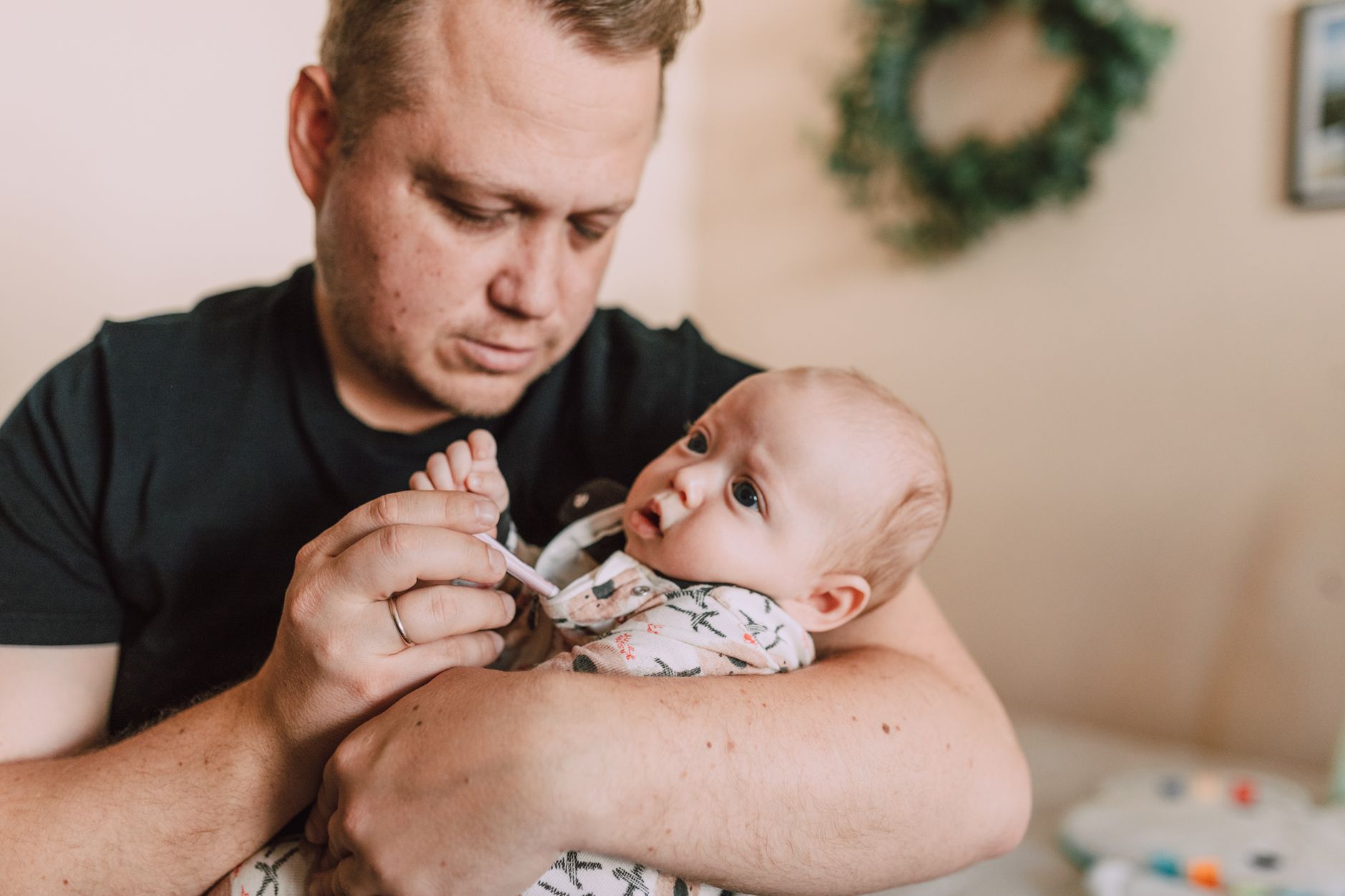
The rotavirus vaccine is typically administered orally as drops. The schedule usually involves multiple doses:
- The first dose is generally given at 6 weeks of age.
- Subsequent doses are given at 10 weeks and 14 weeks of age.
It's essential to follow the exact schedule recommended by your doctor to ensure optimal protection for your child. Missing doses or delaying vaccination can reduce its effectiveness.
What to Expect After Rotavirus Vaccination
Most children tolerate the rotavirus vaccine very well. However, like any vaccine, there can be mild side effects. It's important for parents to be aware of these possibilities:
Common Side Effects:
- Fussiness or Irritability: Your baby might be more fussy or irritable for a day or two after receiving the vaccine. This is a common and temporary reaction.
- Mild Fever: A slight increase in body temperature is possible.
- Vomiting or Diarrhea: In some cases, mild vomiting or loose stools may occur. These symptoms are usually mild and resolve on their own within a few days.
- Loss of Appetite: Some babies might experience a temporary decrease in appetite.
These side effects are generally mild and short-lived, typically lasting for a few days. They are a sign that the body is building immunity.
Duration of Side Effects:
Side effects, if they occur, usually begin within a few days of vaccination and resolve within a week. It's important to remember that these reactions are much less severe than the illness caused by the rotavirus itself.
Possible, But Rare, Complications
While extremely rare, some serious complications have been associated with rotavirus vaccines. The most discussed is intussusception, a condition where one part of the intestine slides into another. The risk is very low, and most cases occur within the first week after the first or second dose. The benefits of vaccination in preventing severe rotavirus disease far outweigh this minimal risk.
Allergic reactions are also extremely rare, occurring in about 1 in a million doses. Symptoms might include hives, swelling, difficulty breathing, or a rapid heartbeat. If you notice any signs of a severe allergic reaction, seek immediate medical attention.
Can a Child Get Rotavirus After Vaccination?
Rotavirus vaccines are highly effective, but no vaccine is 100% effective. Some vaccinated children may still contract rotavirus, but their illness is typically much milder than it would have been without the vaccine. The vaccine significantly reduces the risk of severe symptoms, hospitalization, and death from rotavirus infection. It also contributes to herd immunity, protecting those who cannot be vaccinated.
When to Consult a Doctor
While most side effects are mild, it's important to contact your pediatrician if you notice any of the following:
- High fever (above 102°F or 39°C) that doesn't improve.
- Severe vomiting or diarrhea that leads to signs of dehydration (e.g., decreased urination, dry mouth, no tears when crying, lethargy).
- Unusual drowsiness or difficulty waking your child.
- Signs of a severe allergic reaction (difficulty breathing, swelling of the face or throat, rash, hives).
- Any other concerning symptoms or if you suspect intussusception (severe abdominal pain, vomiting, bloody stools, lethargy).
Prevention is Key
Vaccination is the most effective way to protect your child from severe rotavirus disease. Practicing good hygiene, such as frequent handwashing, especially after using the toilet and before preparing food, can also help prevent the spread of rotavirus and other infections. Ensure your child receives all recommended doses of the rotavirus vaccine on schedule.
Disclaimer: This information is for general knowledge and informational purposes only, and does not constitute medical advice. It is essential to consult with a qualified healthcare professional for any health concerns or before making any decisions related to your health or treatment.