

Child Screen Time Health Study: What 2026 Data Shows
Every year brings another headline about screen time wrecking kids' brains, and every year parents roll their eyes a little because the panic rarely comes with useful specifics.
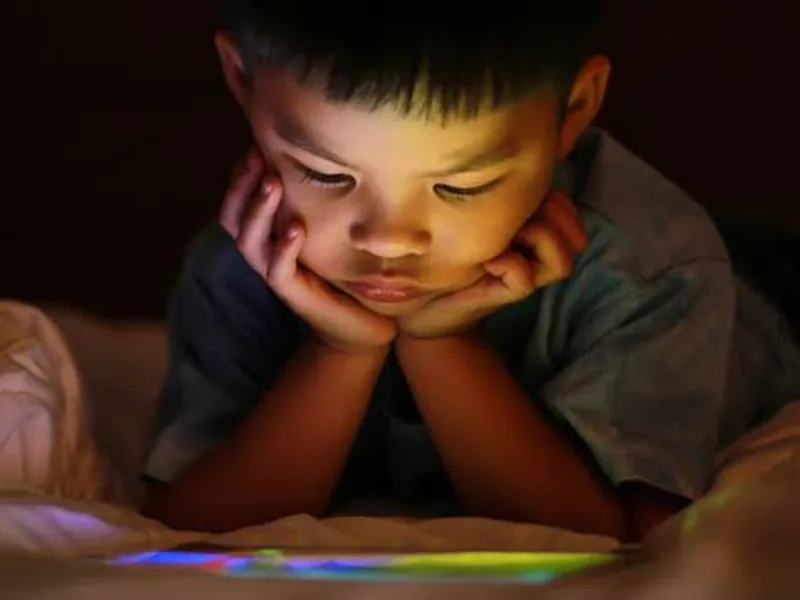
Most screen time scares fade fast because they're based on small samples or shaky methodology. This one's harder to wave off. Published in January 2026, the study analyzed data from over 50,000 American children and adolescents aged 6 to 17, drawn from the U.S. National Survey of Children's Health, and specifically examined whether physical activity and sleep duration explain the link between screen time and mental health outcomes.
The numbers got attention for a reason. Children with four or more hours of daily screen time showed a 45 percent higher likelihood of anxiety, a 61 percent higher likelihood of depression, a 24 percent higher likelihood of behavior or conduct problems, and a 21 percent higher likelihood of ADHD, compared to children with lower screen use. Those aren't small differences, and the study held up even after adjusting for income, ethnicity, and other background factors.
Here's the important caveat: this shows association, not proof that screens directly cause these conditions. Kids who are already anxious or lonely often reach for a screen more, which muddies the direction of cause and effect. Good researchers know this and say so plainly, which is worth respecting rather than glossing over.
Why Sleep Keeps Showing Up in This Research
If there's one consistent thread across recent studies, it's sleep. Researchers increasingly treat disrupted sleep as the mechanism connecting screens to mood problems, not just a side effect sitting next to them.
That tracks with basic biology. Screens late at night delay the release of melatonin, the hormone that signals it's time to sleep, and a phone lighting up with notifications is its own kind of interruption regardless of what's on the screen. Kids who lose sleep to screens aren't just tired the next day; poor sleep is one of the more reliable predictors of mood and behavior problems in childhood, independent of screens entirely.
In clinical practice, this is often missed because parents describe the symptom (irritability, trouble focusing, meltdowns) without connecting it to what happened the night before. A kid who's on a tablet until 11pm and then can't concentrate in school the next day looks like an attention problem on the surface. Often it's a sleep problem wearing an attention problem's clothes.
The Nuance Most Headlines Skip
Not every screen minute is equal, and recent research is finally catching up to what a lot of parents already suspected. A separate 2026 study tracking children at ages 5, 10, and 15 found something genuinely surprising: 15-year-olds who used social media or messaging apps for more than an hour a day actually showed fewer emotional and behavioral difficulties than teens using these apps for under an hour, possibly because that kind of connection supports friendships and social belonging. The researchers were careful to note this doesn't prove benefit, since more socially confident teens may simply use these apps more in the first place. But it complicates the simple "screens equal harm" story.
There's also a longer trend worth knowing about. A systematic review from the University of Turku tracking three decades of data found screen time among children and adolescents has risen steadily, with a clear jump after the COVID-19 pandemic, likely tied to greater personal device access. This isn't really a story about any single year's data. It's a slow, sustained shift in how childhood works, and the mental health research is trying to catch up to a moving target.
What Actually Seems to Matter
Pulling from this year's research, a few things hold up better than blanket time limits. Passive scrolling and consumption seem more consistently linked to worse outcomes than active or social screen use. Whether screens displace sleep and physical activity matters more than the raw hour count on its own. And a child using screens to avoid boredom looks very different, clinically, from a child using screens because something else (loneliness, anxiety, undiagnosed ADHD) is already going on underneath.
That last point is the one worth sitting with. Constant screen use is sometimes the problem. Just as often, it's a visible symptom of something the child hasn't found another way to manage yet.


