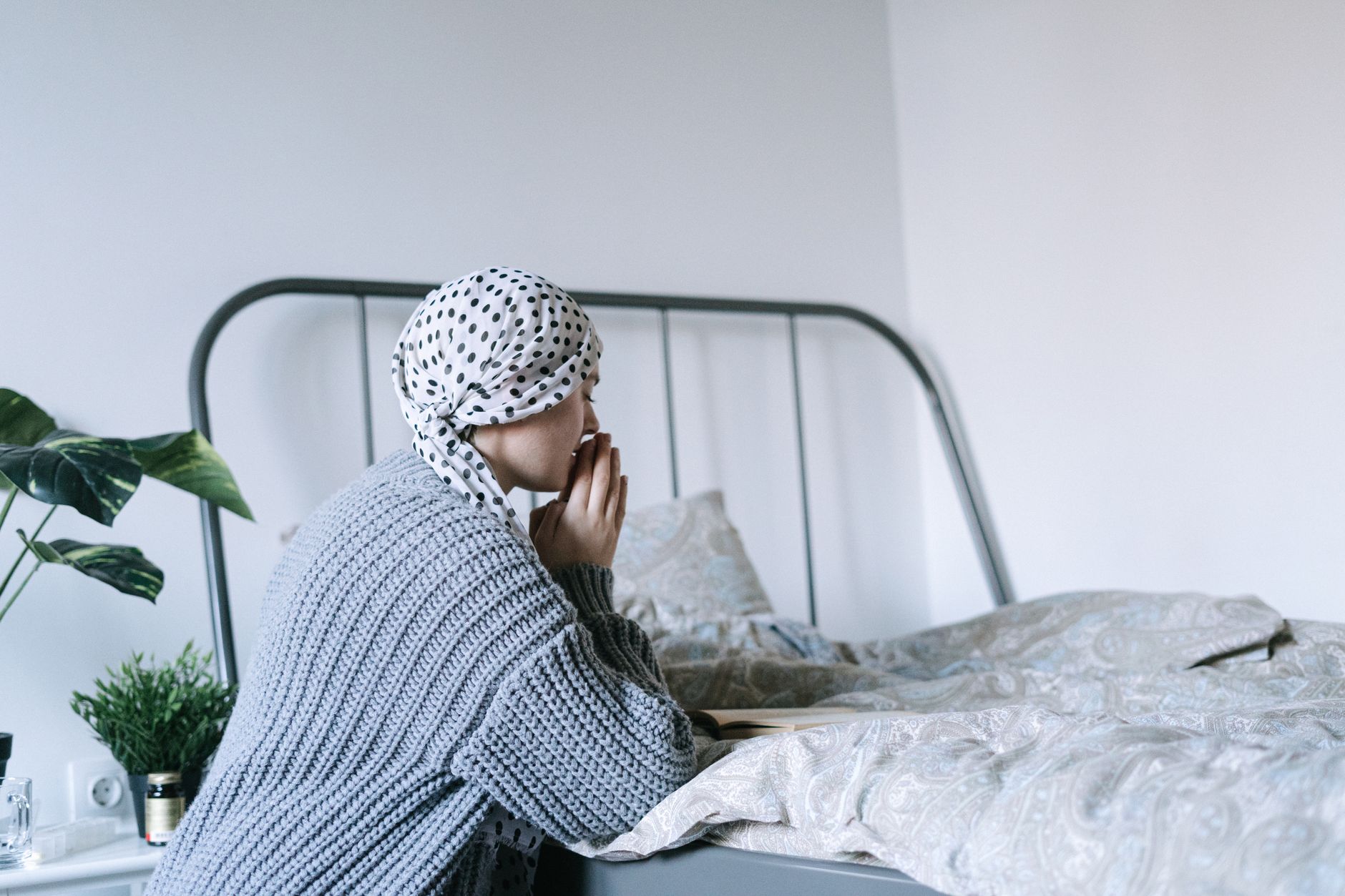
Facing a Hodgkin's lymphoma diagnosis can feel overwhelming, but understanding your treatment options is a vital step towards regaining control. ABVD chemotherapy stands as a cornerstone in managing this type of cancer, particularly in India and across the globe. It's a powerful regimen, a combination of four distinct drugs, meticulously designed to target and eliminate cancer cells. For decades, ABVD has been a beacon of hope, offering a high success rate for both early and advanced stages of Hodgkin's lymphoma, impacting lives of both children and adults.
What Exactly is ABVD Chemotherapy?
ABVD is not a single drug, but rather an acronym representing a powerful cocktail of four chemotherapy agents. These drugs work synergistically, each playing a specific role in the fight against Hodgkin's lymphoma. This combination approach often proves more effective than using a single agent, maximizing the chances of remission and cure. The four components are:
- A - Doxorubicin hydrochloride (also known by the brand name Adriamycin)
- B - Bleomycin
- V - Vinblastine
- D - Dacarbazine
This regimen has largely replaced older treatments like MOPP, primarily because it carries a lower risk of certain long-term side effects, especially those impacting fertility. While other regimens like Stanford V and BEACOPP exist, ABVD remains a widely preferred and extensively studied option.
Why ABVD for Hodgkin's Lymphoma?
Hodgkin's lymphoma, a cancer originating in your white blood cells, requires a robust treatment strategy. ABVD's success lies in its ability to attack cancer cells effectively. It's a standard of care that has been refined over 40 years, demonstrating remarkable efficacy across various stages of the disease. The flexibility of ABVD also allows doctors to tailor the treatment duration to individual patient needs, a critical factor in optimizing outcomes and minimizing unnecessary exposure to chemotherapy.
What to Expect During ABVD Treatment
The ABVD chemotherapy journey is typically structured into cycles. A standard cycle lasts 28 days. Within each cycle, you'll receive the four drugs intravenously (through an IV). This administration usually occurs on two specific days: Day 1 and Day 15 of the cycle. The infusion process itself can take anywhere from 3 to 4 hours. Your medical team will determine the total number of cycles you need based on several factors, including your overall health status and the stage of your Hodgkin's lymphoma.
Determining the Number of Cycles
The American Cancer Society provides guidelines, and your doctor will personalize this. Generally, the number of cycles is influenced by the
Additional Medical Guidance
This section adds practical context and preventive advice to help readers make informed healthcare decisions. It is important to verify symptoms early, consult qualified doctors, and avoid self-medication for persistent health issues.
Maintaining healthy routines, following prescribed treatment plans, and attending regular checkups can improve outcomes. If symptoms worsen or red-flag signs appear, immediate medical evaluation is recommended.
Quick Checklist
Track symptoms and duration.
Follow diagnosis and treatment from a licensed practitioner.
Review medication side effects with your doctor.
Seek urgent care for severe warning signs.