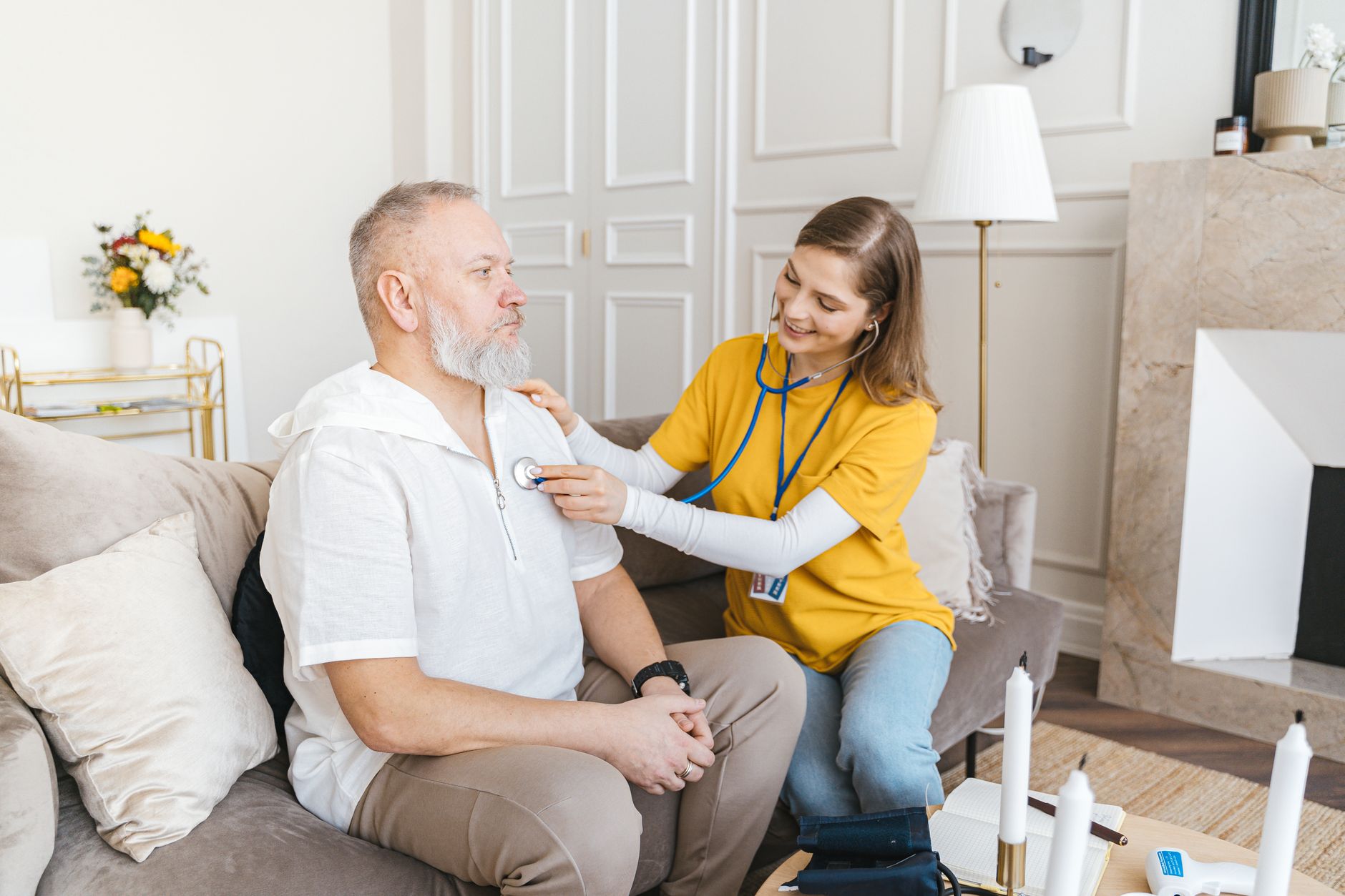
Receiving a diagnosis of advanced non-small cell lung cancer (NSCLC) can feel overwhelming. It's natural to experience a range of emotions, from shock and fear to confusion. You might find yourself grappling with significant symptoms that impact your daily life, and the sheer volume of medical appointments and treatment options can feel like too much to manage. The emotional and mental toll can be substantial. However, there are practical steps you can take, and resources available, to help you breathe easier and regain a sense of control over your health and well-being.
Understanding Your Diagnosis: Knowledge is Power
The first step in managing any condition is to understand it. Lung cancer is classified based on its type and stage. Tumors form when the DNA in cells gets damaged, causing them to grow abnormally. Learning more about your specific form of lung cancer can empower you and help you feel more in control of your treatment journey. Your doctor can provide detailed information about your diagnosis.
Biomarker Testing and Targeted Therapies
Biomarker testing involves examining a sample of your tumor to identify specific changes in its DNA. This testing provides valuable insights into why your tumor is growing and the nature of the cellular damage. For certain DNA changes, targeted therapies are available. These treatments are designed to specifically attack the genetic abnormalities within cancer cells, while sparing healthy cells. This targeted approach often leads to fewer and less severe side effects compared to traditional treatments.
Scenario: Mrs. Sharma, a 65-year-old homemaker, was diagnosed with NSCLC. Initially, she felt lost and anxious. Her oncologist explained biomarker testing, and the results revealed a specific genetic mutation. This allowed her doctor to prescribe a targeted therapy, which significantly reduced her side effects and improved her quality of life.
Making the Most of Your Medical Appointments
Your calendar might soon be filled with appointments for tests, treatments, procedures, and consultations with your healthcare team. This team is likely to include oncologists (cancer specialists), nurses, social workers, pharmacists, and other professionals dedicated to managing your pain, symptoms, and emotional health.
Tips for Effective Appointments:
- Schedule Wisely: Try to book appointments during times of day when you generally feel your best. This can make a difference in your energy levels and ability to engage.
- Prepare Your Questions: Write down all your questions and concerns before your appointment. This ensures you don't forget anything important in the moment.
- Bring Support: Consider bringing a trusted family member or friend. They can serve as an extra set of ears, help you remember information, and take notes during the discussion.
Navigating Nutrition Challenges
Eating a variety of nutritious foods is essential for keeping your body strong and supporting your treatment. However, cancer symptoms or treatment side effects can make eating difficult. You might experience shortness of breath, which can make food preparation challenging, or fatigue that saps your energy for grocery shopping.
Seek Professional Guidance: A registered dietitian can offer invaluable help with these nutrition challenges. Look for a dietitian who specializes in cancer nutrition; they may already be part of your healthcare team. If not, ask your doctor for a referral. They can help you create a meal plan that is both nutritious and manageable given your symptoms.
Practical Solutions: If grocery shopping feels overwhelming, try doing it during times when you have more energy, or don't hesitate to ask friends and family for assistance. Simple, easy-to-prepare meals or pre-portioned healthy snacks can also be lifesavers.
Protecting Your Lungs: Reducing Exposure to Harmful Substances
Taking care of your lungs involves actively avoiding or minimizing your exposure to smoke and harmful chemicals. This is a vital step in preserving your respiratory health.
- Smoking Cessation: If you smoke, quitting or reducing your intake is one of the most impactful things you can do for your health at any stage. Support resources are available to help you quit.
- Secondhand Smoke: If you live with others who smoke, kindly ask them to refrain from smoking in your presence or in shared living spaces. Protecting yourself from secondhand smoke is important.
- Environmental Factors: Do your best to minimize exposure to air pollution and other environmental chemicals. This might involve checking air quality reports and staying indoors on high-pollution days.
Breathing Techniques for Better Well-being
Specific breathing exercises can significantly improve your ability to breathe and help manage stress and anxiety associated with your diagnosis.
Diaphragmatic Breathing (Belly Breathing)
This technique strengthens your diaphragm, the large muscle located beneath your lungs that plays a key role in breathing. A stronger diaphragm allows you to take in more air with less effort.
Pursed Lip Breathing
Pursed lip breathing is another valuable technique that helps conserve energy and regulate your breathing pattern. It involves exhaling slowly through your mouth with your lips pursed, as if you were gently blowing out a candle.
How to Practice Diaphragmatic Breathing with Pursed Lips:
- Find a Comfortable Position: Sit upright or lie down on your back. Choose whichever position feels most comfortable and relaxing for you.
- Relax Your Neck and Shoulders: Ensure these muscles are not tense.
- Place One Hand on Your Chest and the Other on Your Belly: Your belly hand should be just below your rib cage.
- Inhale Slowly Through Your Nose: Aim to breathe in deeply, feeling your belly rise as your diaphragm fills with air. The hand on your belly should move outward, while the hand on your chest should move very little.
- Exhale Slowly Through Pursued Lips: Gently purse your lips as if you're about to whistle or blow out a candle. Allow your belly to fall inward as you exhale.
- Practice Regularly: Aim to practice these techniques for a few minutes several times a day, especially when you feel short of breath or anxious.
Finding Emotional Support: You Are Not Alone
Coping with an advanced cancer diagnosis involves addressing your emotional and mental well-being. It is essential to have a support system in place.
- Talk It Out: Share your feelings and experiences with trusted friends, family members, or a support group. Connecting with others who understand can be incredibly validating.
- Seek Professional Help: Consider talking to a therapist or counselor specializing in oncology. They can provide coping strategies and a safe space to process your emotions. Many hospitals offer these services as part of their palliative care programs.
Prioritizing Self-Care
Self-care is not a luxury; it's a necessity, especially when managing a serious illness. It means different things to different people. Identify activities that bring you comfort, joy, or a sense of peace.
This could involve spending time in nature, listening to music, engaging in gentle hobbies, practicing mindfulness, or simply allowing yourself rest. Whatever your self-care looks like, make time for it. It's about nurturing your spirit and maintaining your overall quality of life.
When to Seek Immediate Medical Attention
While managing your condition, be aware of warning signs that require prompt medical attention. Contact your doctor or seek emergency care if you experience:
- Sudden, severe shortness of breath
- Chest pain
- Coughing up blood
- High fever
- Sudden confusion or disorientation
Scenario: Mr. Gupta, who has advanced lung cancer, started experiencing a sudden, sharp pain in his chest along with difficulty breathing. He immediately called his oncologist, who advised him to go to the emergency room. Prompt medical intervention helped manage his acute symptoms effectively.
Frequently Asked Questions (FAQs)
Q1: What is the main goal of palliative care in advanced lung cancer?
A1: Palliative care focuses on providing relief from the symptoms and stress of a serious illness, such as NSCLC. The main goal is to improve quality of life for both the patient and the family, regardless of the stage of the disease. It can be given alongside curative treatments.
Q2: How can I manage fatigue related to lung cancer treatment?
A2: Managing fatigue involves a combination of strategies. Prioritize rest and sleep, engage in light physical activity as recommended by your doctor, maintain a balanced diet, and stay hydrated. Discuss persistent fatigue with your healthcare team, as they can help identify underlying causes and suggest further interventions.
Q3: Are there any support groups for people with advanced lung cancer in India?
A3: Yes, several organizations in India offer support groups and resources for cancer patients and their families. You can inquire with your hospital's social work department or search online for patient advocacy groups focused on lung cancer. Connecting with others can provide immense emotional and practical support.