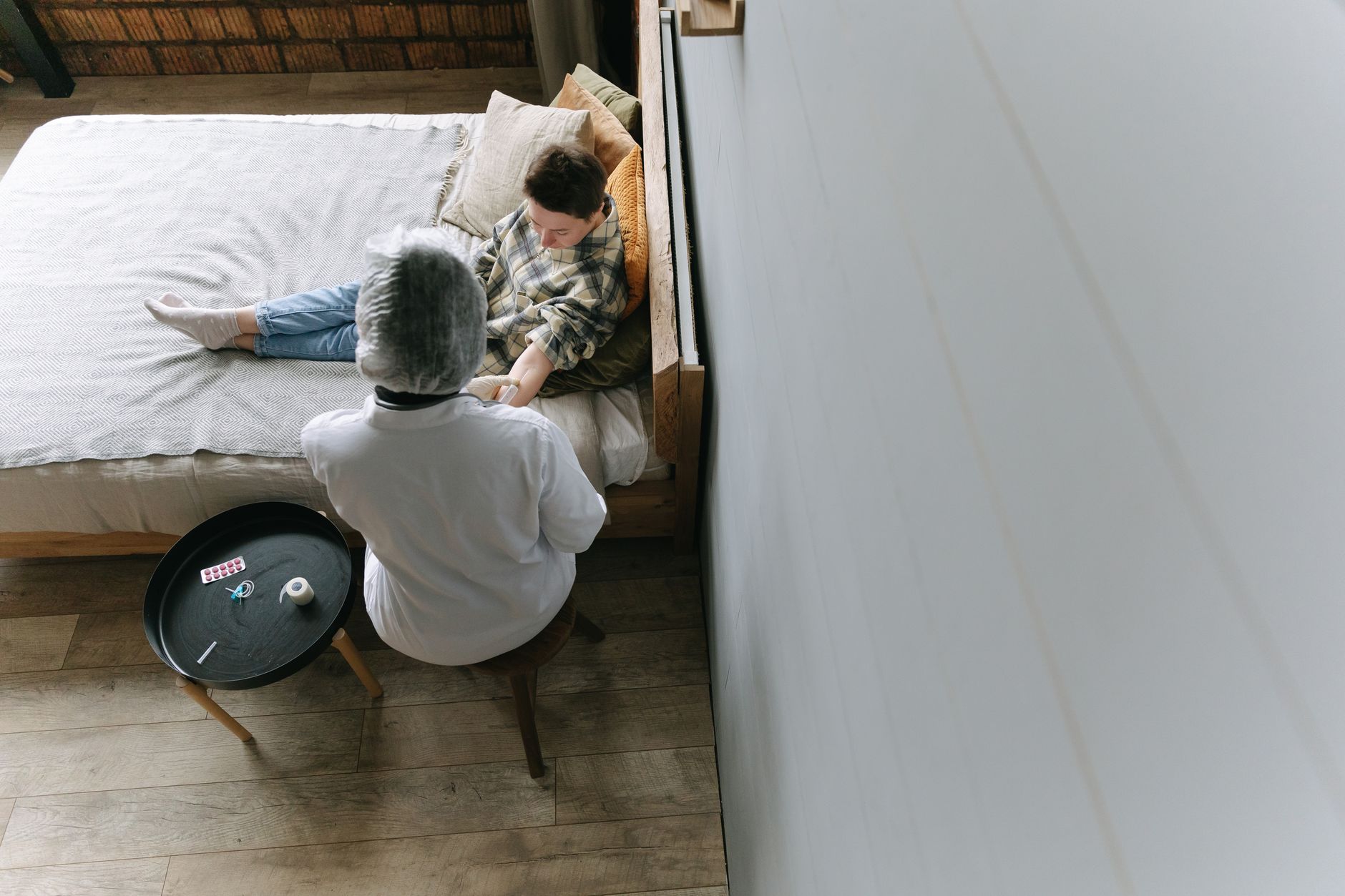
Receiving a cancer diagnosis for your child can be one of the most frightening experiences a parent can face. The word ‘chemotherapy,’ or ‘chemo,’ often brings to mind images of sickness and severe side effects. But for many children in India and around the world, chemotherapy is a powerful weapon in the fight against cancer, offering a pathway to recovery and a longer, healthier life. This guide aims to demystify chemotherapy for childhood cancers, providing clear, practical information for Indian parents navigating this challenging journey.
Cancer in children, while less common than in adults, is a reality. In India, like elsewhere, thousands of children are diagnosed with various forms of cancer each year. Thankfully, medical advancements have made childhood cancer treatment significantly more effective. Survival rates have climbed dramatically, giving hope to families. Chemotherapy plays a vital role in this success story. It’s a systemic treatment, meaning it travels throughout the body to target cancer cells wherever they might be. This is different from localized treatments like surgery or radiation, which focus on a specific area.
How Does Chemotherapy Work?
Cancer cells are characterized by their uncontrolled growth and rapid division. Chemotherapy drugs are designed to exploit this very characteristic. They work by interfering with the cell cycle – the process cells use to grow and divide. By disrupting this cycle, chemotherapy drugs can either kill cancer cells outright or significantly slow down their growth. This makes chemo particularly effective against fast-growing cancers, many of which are common in children, such as leukemia and lymphoma.
It’s important to understand that chemotherapy isn’t always the first or only treatment. Doctors consider many factors when deciding on the best course of action for your child. These include:
- The specific type of cancer: Different cancers respond differently to various treatments.
- The location of the cancer: Where the cancer is in the body influences treatment choices.
- The stage of the cancer: How advanced the cancer is plays a role.
- Your child’s overall health: The child’s general condition is a key consideration.
Chemotherapy can be used alone or, more often, in combination with other treatments like surgery or radiation therapy. For instance, it might be given before surgery to shrink a tumor (neoadjuvant chemotherapy), making it easier for surgeons to remove. Or, it might be given after surgery (adjuvant chemotherapy) to eliminate any remaining cancer cells that could potentially regrow.
Types of Chemotherapy Drugs for Children
The term ‘chemotherapy’ covers a wide range of drugs, each with its unique way of fighting cancer. These drugs are often grouped based on their chemical makeup and how they affect cells. For childhood cancers, several classes of chemotherapy drugs are commonly used:
1. Alkylating Agents
These drugs work by directly damaging the DNA within cells. DNA contains the genetic instructions for cell growth and division. By damaging DNA, alkylating agents prevent cancer cells from multiplying. Some examples include:
- Cyclophosphamide
- Ifosfamide
- Cisplatin
- Carboplatin
- Temozolomide
2. Antimetabolites
These drugs mimic the natural building blocks that cells need to make DNA and RNA. However, they have a slightly different structure. When cells try to use these imposters to build new DNA, the process is disrupted, halting cell growth and division. Common antimetabolites used in pediatric oncology include:
- Methotrexate
- Mercaptopurine (6-MP)
- Thioguanine
- Cytarabine (Ara-C)
- Gemcitabine
- 5-Fluorouracil (5-FU)
3. Anti-tumor Antibiotics
These are not the same as antibiotics used to fight bacterial infections. These powerful drugs work by interfering with DNA replication and repair in cancer cells, ultimately leading to cell death. Some examples are:
- Doxorubicin (Adriamycin)
- Daunorubicin
- Bleomycin
- Actinomycin-D
4. Topoisomerase Inhibitors
These drugs target specific enzymes (topoisomerases) that are essential for DNA to unwind and replicate. By inhibiting these enzymes, they prevent cancer cells from dividing. Examples include:
- Etoposide (VP-16)
- Teniposide
- Irinotecan
- Topotecan
5. Other Chemotherapy Agents
This broad category includes drugs that don’t fit neatly into the above groups but are still effective against cancer. Examples include:
- Vincristine and Vinblastine (Vinca alkaloids)
- Asparaginase
- Steroids (like Prednisone and Dexamethasone), often used in combination with other chemo drugs, especially for leukemias.
The choice of drugs, dosages, and the treatment schedule will be highly personalized for your child.
What to Expect During Chemotherapy
The way chemotherapy is administered can vary. It might be given:
- Intravenously (IV): Through a drip directly into a vein, often in the arm or hand, or via a central venous catheter (a special port placed under the skin).
- Orally: As a pill or liquid that your child swallows.
- Intrathecally: Directly into the spinal fluid, usually for cancers that affect the brain or spinal cord.
- Intramuscularly or Subcutaneously: As an injection into a muscle or under the skin.
The treatment schedule is typically planned in cycles. A cycle might involve receiving the medication for a few days, followed by a rest period, allowing the body to recover from the side effects before the next cycle begins. The entire course of treatment can last anywhere from a few weeks to several months, or even longer, depending on the type and stage of cancer.
Potential Side Effects
Chemotherapy targets rapidly dividing cells, and unfortunately, some healthy cells in the body also divide quickly. This is why side effects occur. It’s crucial to remember that not every child experiences every side effect, and the severity can vary greatly. Doctors work diligently to manage and minimize these effects. Common side effects include:
- Fatigue: Feeling extremely tired is very common.
- Nausea and Vomiting: Medications called antiemetics are highly effective in controlling this.
- Hair Loss (Alopecia): This is often temporary, and hair usually regrows after treatment ends.
- Mouth Sores (Mucositis): Painful sores in the mouth can make eating difficult. Good oral hygiene is key.
- Increased Risk of Infection: Chemotherapy can lower the white blood cell count, making the body more vulnerable to infections. Strict hygiene and avoiding sick people are important.
- Bruising and Bleeding: A low platelet count can lead to easier bruising and bleeding.
- Anemia: A low red blood cell count can cause paleness and fatigue.
- Loss of Appetite: Changes in taste and smell, or feeling unwell, can affect appetite.
- Diarrhea or Constipation: Bowel habits can be disrupted.
- Skin and Nail Changes: Rashes, dryness, or darkening of the skin, and brittle nails can occur.
- Neuropathy: Nerve damage can cause tingling, numbness, or pain, usually in the hands and feet.
Open communication with your child’s medical team about any side effects is vital. They can offer solutions and support.
When to Consult a Doctor Immediately
It's essential for parents to be vigilant and know when to seek urgent medical attention. Contact your child's doctor or go to the nearest hospital immediately if your child experiences:
- Fever of 100.4°F (38°C) or higher
- Chills
- Signs of severe dehydration (e.g., very dry mouth, decreased urination, sunken eyes)
- Severe vomiting or diarrhea that doesn't stop
- Uncontrolled bleeding (e.g., nosebleeds that won't stop, blood in urine or stool, severe bruising)
- Severe pain that isn't managed by prescribed medication
- Difficulty breathing
- Confusion or extreme lethargy
- Any other symptom that seems severe or worrying
Questions to Ask Your Child’s Care Team
Being informed empowers you. Don’t hesitate to ask questions. Here are some important ones:
- Why is chemotherapy recommended for my child’s specific cancer?
- Are there alternative treatments available, and how do they compare in effectiveness to chemotherapy?
- Will chemotherapy be used along with other treatments like surgery or radiation? If so, in what order?
- What specific chemotherapy drugs will be used?
- What is the expected duration of the treatment?
- What are the most common side effects we should watch for?
- How will the side effects be managed?
- What precautions should we take at home to protect my child from infection?
- What is the expected success rate for this treatment for my child’s type and stage of cancer?
- What are the long-term effects or potential late effects of this treatment?
- Who should we contact if we have questions or concerns outside of clinic hours?
Living Beyond Chemotherapy
The journey doesn’t end with treatment. For survivors of childhood cancer, life continues, and medical science is increasingly focused on improving the quality of life for these brave individuals. Advances in treatment mean that the gap in life expectancy between childhood cancer survivors and the general population is narrowing. Regular follow-up care is essential to monitor for any late effects of treatment and to ensure long-term health and well-being. Support groups and counseling can also be invaluable for children and families adjusting to life after cancer.
Navigating chemotherapy for your child is undoubtedly tough. But with knowledge, a strong support system, and a dedicated medical team, you can face this challenge with courage and hope. Remember, you are not alone in this fight.