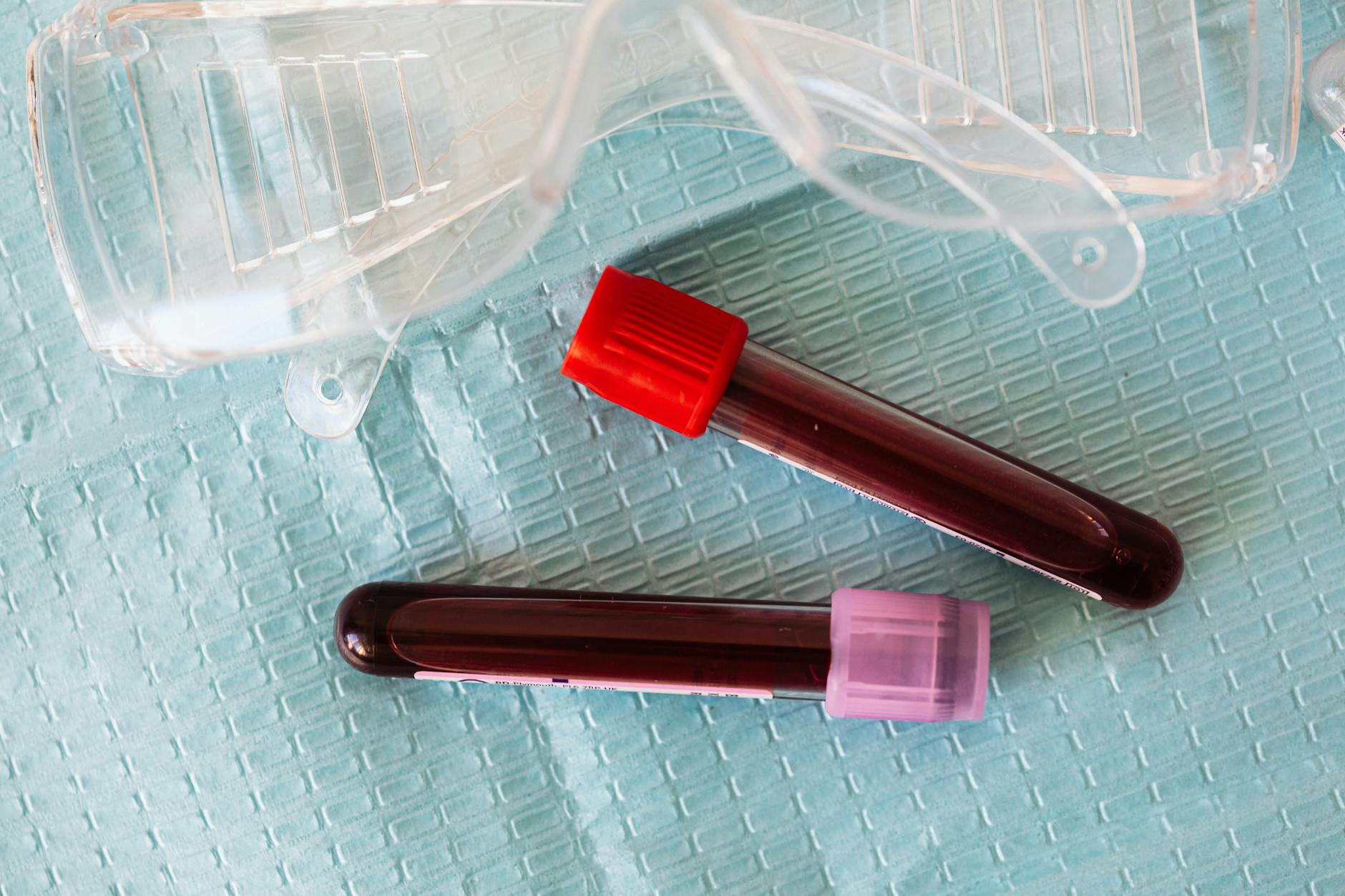
Imagine your body as a finely tuned orchestra, each instrument playing its part to create a harmonious melody of health. Your blood is no different. It's a complex fluid carrying vital components like red blood cells for oxygen transport, white blood cells to fight off invaders, and platelets to patch up any leaks. When this orchestra goes out of tune, it can signal an underlying issue. For Chronic Myeloid Leukemia (CML), a slow-growing cancer of the bone marrow and blood, a seemingly routine Complete Blood Count (CBC) test can often be the very first whisper that something isn't quite right. CML might sound alarming, and it is a serious condition. But understanding how it's detected and managed can empower you. This isn't about creating panic; it's about shedding light on a key diagnostic tool and what it reveals. We'll explore how a CBC works, what abnormal results might mean in the context of CML, and what happens next. Remember, an abnormal CBC doesn't automatically mean you have CML, but it's a critical starting point for further investigation. What Exactly is Chronic Myeloid Leukemia (CML)? Before we dive into the CBC, let's briefly understand CML. It's a type of cancer that begins in the blood-forming cells of the bone marrow. Normally, your bone marrow produces a balanced mix of blood cells. In CML, however, the bone marrow starts churning out an excessive number of immature white blood cells, known as 'blasts'. These blasts are not fully developed and can't function properly. As their numbers swell, they begin to crowd out the healthy cells – the red blood cells, normal white blood cells, and platelets – disrupting the blood's vital functions. CML typically progresses slowly, earning its 'chronic' designation. It's not usually an aggressive, fast-moving cancer in its early stages. The Power of the Complete Blood Count (CBC) Think of the CBC as a comprehensive check-up for your blood. It's one of the most common blood tests ordered by doctors, often as part of a regular physical examination or when investigating a general feeling of unwellness. What does this simple test actually measure? Red Blood Cells (RBCs): These are the oxygen couriers of your body. The CBC checks their count, and related components like hemoglobin (the protein that carries oxygen) and hematocrit (the proportion of red blood cells to the fluid part of blood). Low levels might suggest anemia, which can cause fatigue. White Blood Cells (WBCs): These are your body's defense force, fighting infections. The CBC measures the total white blood cell count. Significantly high or low counts can indicate various issues, including infection, inflammation, or, potentially, leukemia. Platelets: These tiny cells are essential for blood clotting. They help stop bleeding when you get injured. The CBC checks their number. Too few platelets can lead to easy bruising or bleeding, while too many can increase the risk of clots. Often, a CBC is performed with a 'differential' count. This is like zooming in on the white blood cell population. It breaks down the total WBC count into the different types of white blood cells (neutrophils, lymphocytes, monocytes, eosinophils, and basophils). This detailed look is incredibly important because it can reveal if the proportions of these cells are off, or if immature, abnormal white blood cells are present. CBC Results and What They Might Indicate for CML So, how does a CBC connect to CML? In many cases, an individual with CML might feel perfectly fine, experiencing only vague symptoms or perhaps none at all, especially in the early stages. It's during a routine CBC that the first red flags might appear. What kind of abnormalities would a doctor look for? Elevated White Blood Cell Count: A significantly high number of white blood cells, particularly if there's an increase in immature forms (blasts), is a key indicator. Changes in White Blood Cell Types: The differential count might show an unusual increase in certain types of white blood cells or, crucially, the presence of blasts – immature white blood cells that shouldn't be circulating in large numbers in the blood. Low Hemoglobin and Hematocrit: Anemia (low red blood cell count) is common in CML because the cancerous cells crowd out healthy red blood cell production. This can lead to fatigue, weakness, and shortness of breath. Variable Platelet Counts: Platelet counts can be either high or low in CML. Sometimes, the cancerous cells interfere with platelet production, leading to low counts. In other instances, the body might produce more platelets in response to the disease. It's vital to reiterate: an abnormal CBC result does not automatically mean you have CML. Many other conditions can cause similar changes in blood counts. However, an unusual CBC finding, especially a high white blood cell count with immature cells, will prompt your doctor to investigate further. Beyond the CBC: Confirming a CML Diagnosis If your CBC results raise concerns for CML, your doctor will order more specific tests. The CBC is a screening tool, a starting point. To confirm a diagnosis, especially for CML, further specialized tests are essential. Blood Smear Test This is often the next step after an abnormal CBC. A blood smear involves spreading a drop of blood thinly on a glass slide, staining it, and examining it under a powerful microscope. This allows a pathologist to: Visually inspect the size, shape, and appearance of your blood cells. Determine the precise percentages of different white blood cell types. Assess the ratio of mature to immature blood cells. They'll be looking closely for those blast cells. Cytogenetic Testing (Karyotyping) This is a more advanced test that looks directly at your chromosomes – the structures within your cells that carry genetic information. In CML, a specific genetic abnormality is almost always present. About 95% of people with CML have something called the Philadelphia chromosome (Ph chromosome). This happens when pieces of two chromosomes (chromosome 9 and chromosome 22) break off and swap places. This creates an abnormal fusion gene called BCR-ABL1. FISH Test (Fluorescence In Situ Hybridization) FISH is a more sensitive version of cytogenetic testing. It uses special fluorescent dyes that 'stick' to specific parts of chromosomes, making it easier to detect the presence of the BCR-ABL1 fusion gene, even in small numbers. This test is very helpful in identifying the genetic culprits behind CML. PCR Test (Polymerase Chain Reaction) This is the most sensitive test available for detecting the BCR-ABL1 fusion gene. PCR can identify even tiny amounts of this gene in your blood or bone marrow. It's not only crucial for diagnosis but also incredibly valuable for monitoring how well treatment is working over time. By tracking the levels of the BCR-ABL1 gene, doctors can gauge the effectiveness of therapy and make adjustments as needed. Phases of CML Once CML is diagnosed, doctors often classify it into different phases: chronic, accelerated, and blast crisis. These phases are determined by factors like the number of immature white blood cells (blasts) in your blood and bone marrow, and the presence of other specific abnormalities. The phase helps doctors understand the aggressiveness of the disease and guide treatment decisions. Preparing for a CBC Test The good news? Preparing for a CBC is usually very straightforward. You typically don't need to fast or make any special dietary changes beforehand. Just wear clothing with sleeves that you can easily roll up, as the blood sample will be drawn from a vein in your arm. The procedure itself is quick, usually taking just a few minutes. Your doctor will receive the results from the lab and discuss them with you. When to Consult a Doctor While CML might be slow-growing, early detection is always beneficial. You should consult your doctor if you experience any of the following symptoms, especially if they are persistent or worsening: Unexplained fatigue or weakness Unintended weight loss Night sweats Fever Pain or a feeling of fullness in the upper abdomen (due to an enlarged spleen) Easy bruising or bleeding Frequent infections Even if you feel fine, regular medical check-ups, including blood tests, are a wise practice for everyone, particularly as you get older. The Role of CBC in Monitoring CML Treatment The CBC doesn't just help diagnose CML; it's also a workhorse in monitoring treatment effectiveness. Once treatment begins, regular CBC tests help doctors track: Response to Therapy: Are the levels of white blood cells returning to normal? Are the immature blast cells decreasing? Side Effects: Some CML treatments can affect blood counts. CBCs help identify potential side effects like anemia or low platelet counts, allowing for timely management. Disease Progression: Periodic CBCs, along with other tests, help ensure the CML remains under control and hasn't progressed to a more advanced phase. The goal of CML treatment is often to achieve a 'complete hematologic response' (normal blood counts) and a 'deep molecular response' (undetectable or very low levels of the BCR-ABL1 gene). The CBC is a key indicator on this journey. Living with CML Thanks to significant advancements in treatment, particularly targeted therapies like tyrosine
In summary, timely diagnosis, evidence-based treatment, and prevention-focused care improve long-term health outcomes.