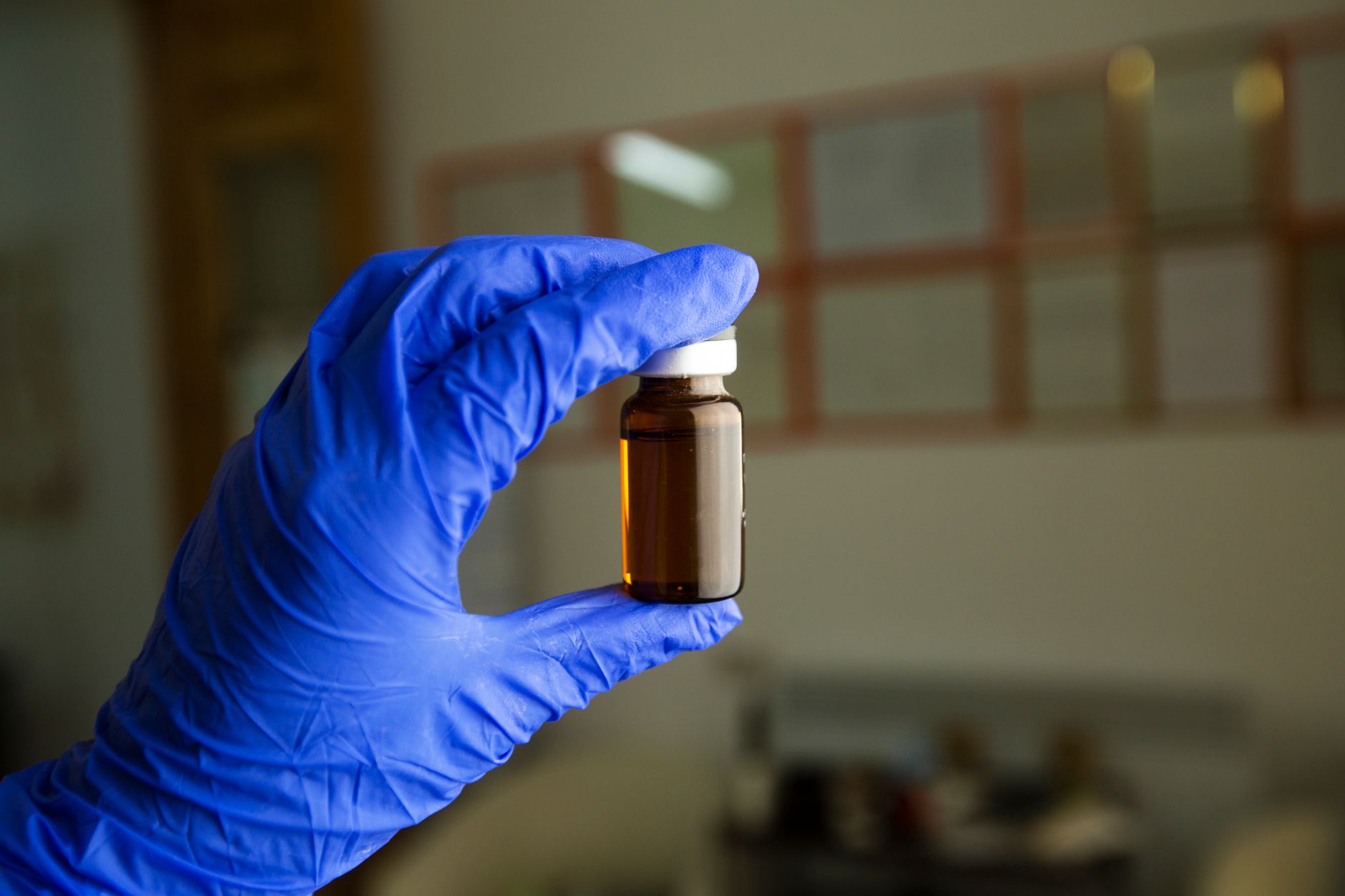
Cancer, a word that strikes fear into hearts, is a complex disease where cells grow uncontrollably and can spread to other parts of the body. For decades, medical science has been in a relentless battle against this formidable foe. One of the most potent weapons in this arsenal is chemotherapy, and at its core lie cytotoxic agents . These are not your everyday medicines; they are powerful substances designed to destroy rapidly dividing cells – the hallmark of cancer. But what exactly are they? How do they work? And how are they used in India’s fight against cancer? Understanding Cytotoxic Agents: The Cell Killers The term 'cytotoxic' itself gives a clue: 'cyto' refers to cells, and 'toxic' means poisonous. So, cytotoxic agents are essentially poisons to cells. In the context of cancer treatment, their primary job is to stop cancer cells from dividing and spreading. Think of them as highly specialized soldiers trained to target and eliminate the enemy – the rogue cancer cells – while trying their best to spare the healthy ones. It’s a delicate balancing act, and modern medicine has made significant strides in refining this process. It’s important to understand that chemotherapy isn't a one-size-fits-all treatment. There are various types of cytotoxic agents, each with its unique way of attacking cancer cells and its own set of potential side effects. The choice of drug often depends on the specific type of cancer, its stage, and the patient's overall health. Doctors carefully weigh the benefits against the risks to create a personalised treatment plan. Common Types of Cytotoxic Agents Used in India While the list is extensive, here are some of the major categories of cytotoxic agents used in cancer chemotherapy: 1. Alkylating Agents: Messing with DNA These agents work by directly interfering with the cancer cell's ability to reproduce. They do this by damaging the cell's DNA. Imagine a blueprint (DNA) that a builder needs to construct a building (a new cell). Alkylating agents smudge or tear parts of that blueprint, making it impossible for the cell to correctly replicate itself. This disruption effectively halts cell division and can lead to cell death. In India, alkylating agents are used to treat a range of cancers, including: Leukemias Lymphomas Ovarian cancer Breast cancer Lung cancer Multiple myeloma Some well-known examples include altretamine and busulfan. A special group within these are the nitrosoureas . What makes them unique is their ability to cross the blood-brain barrier – a protective shield that usually prevents many substances from entering the brain. This makes them particularly useful for treating brain tumors, a challenging area of oncology. 2. Antitumor Antibiotics: DNA Blockers Don't let the name fool you; these are not the antibiotics you take for a common infection. Antitumor antibiotics work differently. Instead of fighting bacteria, they target the DNA within cancer cells, preventing it from making copies of itself. This stops the cancer cells from multiplying. The most widely used group here are the anthracyclines , such as doxorubicin. These drugs are incredibly effective and are used for a variety of cancers, including breast cancer and bladder cancer. However, they come with a warning: they can have serious side effects, especially heart problems and damage to healthy tissues near the tumor. This risk is higher for older adults or those receiving high doses. Other examples include bleomycin and dactinomycin. 3. Antimetabolites: Deceptive Building Blocks These agents are quite clever. They mimic the natural substances that cells need to build DNA and RNA. Cancer cells, in their rapid growth, readily take these imposters in. Once inside, the antimetabolites disrupt the normal process of DNA and RNA creation. The cell can no longer produce the essential components it needs to divide and grow, leading to cell death. Antimetabolites are workhorses in chemotherapy and are frequently used for: Cancers affecting the intestinal tract (like colorectal cancer) Breast cancer Leukemias Examples include fluorouracil (5-FU) and methotrexate. While effective, they can cause side effects like nausea, vomiting, diarrhea, and mouth sores, which are common to many chemotherapy drugs due to their effect on rapidly dividing healthy cells in the body, such as those in the digestive tract and hair follicles. 4. Plant Alkaloids: Disrupting Cell Division Machinery Derived from plants, these agents interfere with the process of cell division itself. They work by affecting the microtubules, which are like the scaffolding that cells use to divide. By disrupting this machinery, they prevent cancer cells from completing their division process. A prominent example is the vinca alkaloid group, derived from the periwinkle plant. Drugs like vincristine and vinblastine fall into this category. Another important group are taxanes , like paclitaxel, which have shown promise in extending the lives of breast cancer patients and reducing the chances of the cancer returning, according to research. It's vital to note that these drugs must be administered with extreme care. In 2021, the FDA mandated specific labeling for vinca alkaloids, requiring their use in infusion bags, not syringes, after reports of severe neurological injuries and deaths linked to improper administration. 5. Topoisomerase Inhibitors: Unraveling DNA's Messengers These agents target enzymes called topoisomerases, which are essential for DNA replication and repair. By inhibiting these enzymes, they cause breaks in the DNA of cancer cells, preventing them from dividing and leading to cell death. Examples include irinotecan and topotecan, often used for colorectal and ovarian cancers. The Indian Context: Access and Challenges In India, cytotoxic chemotherapy is a cornerstone of cancer treatment in major hospitals and cancer centers. The availability of these drugs has improved significantly over the years, with both imported and domestically manufactured options accessible. However, challenges remain: Cost: Cancer treatment, including chemotherapy, can be prohibitively expensive for many. While generic versions and government initiatives aim to make it more affordable, the financial burden is substantial. Access in Rural Areas: Ensuring equitable access to specialized cancer care, including chemotherapy administration and monitoring, in rural and remote parts of India is an ongoing effort. Side Effect Management: Managing the often severe side effects of chemotherapy requires expert care and supportive medications, which can add to the overall cost and complexity of treatment. Diagnosis and Treatment Planning Before cytotoxic agents can be prescribed, a thorough diagnosis is essential. This typically involves: Biopsy: A sample of the suspected tumor is taken and examined under a microscope to confirm cancer and identify its type. Imaging Tests: CT scans, MRIs, and PET scans help determine the size and spread of the cancer. Blood Tests: These can reveal markers or provide information about the patient's overall health and organ function. Once diagnosed, the oncologist will discuss the treatment plan. This plan is highly individualized and considers: The type and stage of cancer The patient's age and general health The presence of other medical conditions The specific properties of the cancer cells The potential benefits and risks of different chemotherapy drugs Managing Side Effects: A Crucial Part of Care Cytotoxic agents, by their nature, affect rapidly dividing cells. Unfortunately, some healthy cells in our body also divide rapidly, such as those in the bone marrow, hair follicles, and the lining of the mouth and digestive tract. This is why side effects are common. Common side effects include: Nausea and vomiting Hair loss (alopecia) Fatigue Increased risk of infection (due to low white blood cell count) Anemia (due to low red blood cell count) Mouth sores (mucositis) Diarrhea or constipation Changes in appetite and taste Nerve damage (neuropathy) Modern supportive care in India has advanced significantly. Doctors often prescribe medications to prevent nausea and vomiting, growth factors to boost white blood cell counts, and other therapies to manage side effects, making the treatment more tolerable. Prevention and When to Consult a Doctor While cytotoxic agents are treatments, not preventions, adopting a healthy lifestyle can reduce the risk of developing certain cancers. This includes: Maintaining a healthy weight Eating a balanced diet rich in fruits and vegetables Regular physical activity Avoiding tobacco and limiting alcohol consumption Protecting yourself from excessive sun exposure Getting vaccinated against cancer-causing viruses like HPV and Hepatitis B You should consult a doctor immediately if you experience any of the following: Unexplained lumps or swelling Changes in bowel or bladder habits Persistent cough or hoarseness Unusual bleeding or discharge A sore that does not heal Difficulty swallowing Sudden, unexplained weight loss Changes in a mole or skin lesion Early detection significantly improves treatment outcomes. Frequently Asked Questions (FAQs) 1. Are cytotoxic agents the only cancer treatment? No. Cytotoxic chemotherapy is one of several treatment modalities. Others include surgery, radiation therapy, immunotherapy, targeted therapy, and hormone therapy. Often, a combination of treatments is used. 2. Can chemotherapy cure cancer? In some cases, chemotherapy can lead to a complete cure, especially when cancer is detected early. In other cases, it can help control cancer growth, shrink tumors, relieve symptoms, and improve the quality of life, even if a complete cure isn't possible. 3. Is hair loss a guaranteed side effect of all cytotoxic agents? Not all. Hair
In summary, timely diagnosis, evidence-based treatment, and prevention-focused care improve long-term health outcomes.