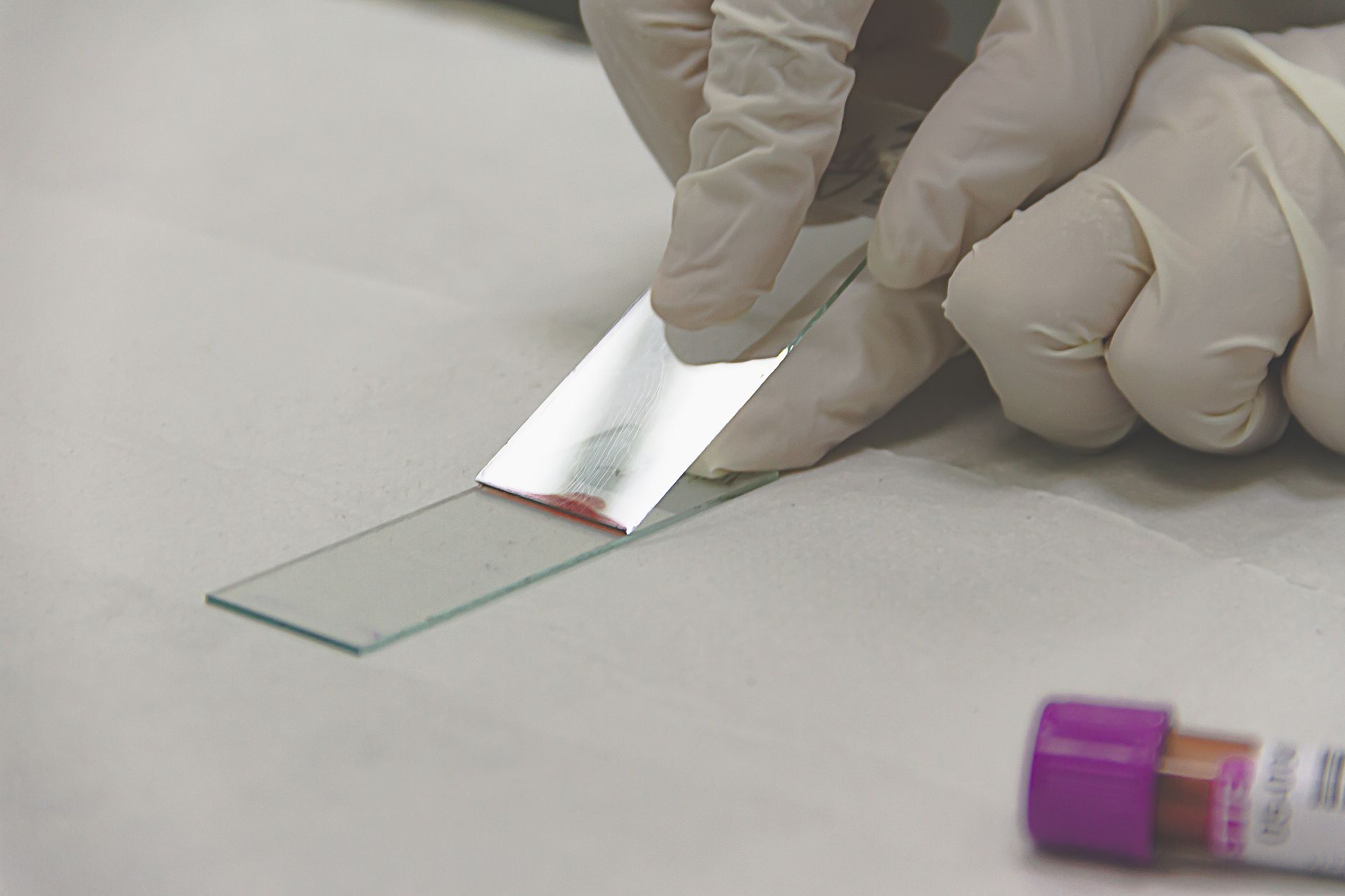
Leukemia. The word itself can send shivers down your spine. It’s a group of cancers that attack our blood cells, the very essence of life flowing through our veins. In India, like everywhere else, cancer statistics are a stark reminder of the battle many face. The National Cancer Institute estimates millions of new cases annually worldwide, and while specific Indian data fluctuates, the impact is undeniable. Leukemia accounts for a significant portion of these diagnoses, a concerning fact for families across the nation. What Exactly is Eosinophilic Leukemia? Let's break it down. Leukemia, at its core, is a cancer of the blood. But our blood isn't just one thing; it's a complex mix of cells, each with a vital role. Among these are white blood cells, our body's valiant defenders against infection. Eosinophils are a specific type of white blood cell. Think of them as specialized soldiers, usually deployed to fight off parasites and allergic reactions. Normally, eosinophils are present in very small numbers, making up less than 5% of all your white blood cells. A healthy count hovers around 350 to 500 cells per cubic millimeter (mm³) of blood. When this count soars above 500 mm³, we call it eosinophilia. Eosinophilic leukemia, therefore, is a serious condition where these specialized white blood cells, the eosinophils, multiply uncontrollably, becoming cancerous and crowding out healthy cells in the blood and bone marrow. This isn't just about having a few too many eosinophils. The excess eosinophils in eosinophilic leukemia can become quite destructive. They release potent chemicals that can wreak havoc on your vital organs – your heart, your lungs, your digestive system. It’s a double blow: the general effects of leukemia plus the specific damage caused by these rogue white blood cells. Types of Eosinophilic Leukemia The medical world likes to categorize, and for good reason. Understanding the nuances helps in diagnosis and treatment. Eosinophilic leukemia isn't a single entity; it's often classified based on what's driving that eosinophil surge. Genetic Aberrations Sometimes, the root cause lies within our DNA. Specific genetic changes can occur in the genes responsible for controlling eosinophil growth. Imagine a faulty instruction manual; the cells receive the wrong directions, leading to uncontrolled multiplication. These genetic mutations are a key factor in certain types of eosinophilic leukemia. Unknown Origins: CEL-NOS Then there are cases where the exact cause remains elusive. Chronic eosinophilic leukemia-not otherwise specified (CEL-NOS) is one such category. Here, the eosinophilia is present, but it's not linked to specific known genetic mutations or external factors like infections or allergies. It's a puzzle the doctors are still trying to solve. Reactive Eosinophilia: A Secondary Issue In rarer instances, a high eosinophil count might be a reaction to another underlying condition, including other blood cancers. This is termed 'reactive eosinophilia'. While uncommon, it can sometimes be seen alongside acute lymphocytic leukemia (ALL). It’s like a warning sign, indicating something else is amiss. Symptoms: What to Look For The tricky part? Sometimes, eosinophilic leukemia can be a silent adversary. Many individuals might not experience any noticeable symptoms initially. It can be discovered incidentally during a routine blood test, a stark reminder of the importance of regular health check-ups. However, when symptoms do manifest, they can be wide-ranging and sometimes alarming: Fatigue and Weakness: A pervasive tiredness that doesn't improve with rest. This is common in many blood disorders as healthy red blood cells are reduced. Fever and Chills: Unexplained fevers can be a sign that your body is fighting an internal battle. Weight Loss: Unintentional and significant weight loss can be a red flag. Bone and Joint Pain: The proliferation of cancerous cells in the bone marrow can cause discomfort and pain. Enlarged Spleen or Liver: These organs can become swollen as they try to filter the abnormal blood cells, leading to abdominal discomfort or a feeling of fullness. Swelling Under the Skin (Angioedema): This is a more specific symptom linked to the release of inflammatory chemicals by the excess eosinophils. Cough and Shortness of Breath: Eosinophils can infiltrate the lungs, causing respiratory distress. Skin Rashes: Some individuals may develop persistent or unusual skin rashes. Abdominal Pain: This can be due to an enlarged spleen or liver, or inflammation in the gastrointestinal tract. Remember, these symptoms aren't exclusive to eosinophilic leukemia. They can indicate various health issues. That's why a proper medical diagnosis is paramount. Causes and Risk Factors: Unraveling the Mystery As we've touched upon, the exact cause of eosinophilic leukemia isn't always clear. However, the underlying mechanism often involves a 'clonal population' of eosinophils. This means these abnormal cells originate from a single mutated cell, and all subsequent cells carry the same genetic defect. This genetic change drives their uncontrolled growth. While specific risk factors aren't as clearly defined as in some other cancers, the presence of certain genetic mutations is a known association. These mutations affect genes critical for regulating eosinophil development and proliferation. When these genes malfunction, eosinophils can start multiplying without restraint, paving the way for leukemia. It's important to differentiate this from 'reactive eosinophilia', where high eosinophil counts are a response to other conditions. Eosinophilic leukemia involves a cancerous transformation of the eosinophils themselves. Diagnosis: The Path to Clarity If your doctor suspects eosinophilic leukemia, a series of tests will be ordered to confirm the diagnosis and understand the specific type and extent of the disease. This is a multi-step process: Complete Blood Count (CBC): This is usually the first step. It measures the different types of blood cells, including eosinophils. A high eosinophil count is a key indicator. Peripheral Blood Smear: A pathologist examines a sample of your blood under a microscope to look for abnormal-looking eosinophils and other blood cells. Bone Marrow Biopsy and Aspiration: This is a more definitive test. A needle is used to extract a sample of bone marrow (usually from the hip bone). The sample is examined for cancerous eosinophils and to identify specific genetic mutations. Cytogenetics and Molecular Testing: These tests analyze the chromosomes and genes within the cancerous cells. Identifying specific genetic mutations (like rearrangements involving the PDGFRA, PDGFRB, or FGFR1 genes) is crucial for classifying the type of eosinophilic leukemia and guiding treatment. Imaging Tests: Depending on the symptoms and suspected organ involvement, tests like CT scans or MRIs might be used to check for swelling or damage in organs like the spleen, liver, or lymph nodes. Treatment: Strategies for Combating Leukemia The treatment approach for eosinophilic leukemia is highly individualized, depending on the specific subtype, the patient's overall health, and the extent of the disease. The primary goal is to reduce the number of cancerous eosinophils and manage any organ damage. Targeted Therapy Given the role of specific genetic mutations, targeted therapies are often a cornerstone of treatment. Medications designed to block the pathways activated by these mutations can be very effective. For instance, drugs targeting the tyrosine kinase inhibitors (TKIs) are often used when specific genetic changes like PDGFRA or PDGFRB rearrangements are present. Imatinib (Gleevec) is a prime example. Chemotherapy Chemotherapy drugs are used to kill rapidly dividing cancer cells. The specific regimen will vary, but it's often employed to reduce the overall cancer burden. Stem Cell Transplant In some cases, especially for younger or fitter patients, a stem cell transplant (also known as a bone marrow transplant) might be considered. This procedure replaces the diseased bone marrow with healthy stem cells, offering a chance for long-term remission. Supportive Care Managing the complications is just as vital. This includes medications to manage inflammation, treat organ damage, and prevent infections. Corticosteroids may be used to reduce inflammation caused by eosinophils. When to Consult a Doctor Don't ignore persistent or unusual symptoms. If you experience any of the signs mentioned earlier, especially a combination of them, it's essential to seek medical advice promptly. Early detection and intervention significantly improve outcomes. Pay attention to unexplained fatigue, fevers, weight loss, or swelling. If you have a history of blood disorders or unexplained eosinophilia, regular follow-ups with your doctor are critical. Prevention: A Difficult Question For most types of leukemia, including eosinophilic leukemia, there are no clear-cut preventative measures. The role of genetics and spontaneous mutations means it's often not something lifestyle choices can prevent. However, maintaining a generally healthy lifestyle – balanced nutrition, regular exercise, avoiding known carcinogens like tobacco – always supports overall health and resilience. Living with Eosinophilic Leukemia A diagnosis of eosinophilic leukemia can be overwhelming. However, advancements in medicine mean that many patients can lead fulfilling lives with appropriate treatment and management. Connecting with support groups, both online and in person, can provide immense comfort and practical advice. Sharing experiences with others facing similar challenges can reduce feelings of isolation. Open communication with your healthcare team is key to navigating treatment side effects and emotional well-being. Frequently Asked Questions (FAQ) Can eosinophilic leukemia be cured? While a complete cure can be challenging, significant long-term remission is achievable with modern treatments, especially when the specific genetic drivers are identified and targeted
In summary, timely diagnosis, evidence-based treatment, and prevention-focused care improve long-term health outcomes.