Receiving a diagnosis of metastatic breast cancer can be an incredibly overwhelming experience. The journey from diagnosis through treatment can bring a wave of complex emotions – anxiety, fear, sadness, and a profound sense of uncertainty. While medical advancements have significantly improved the outlook for those with this condition, offering hope and extending survival rates, the emotional toll remains a significant aspect of the patient's experience. This is where complementary therapies, like art therapy, can offer a gentle yet powerful pathway to emotional healing and coping.
What is Art Therapy?
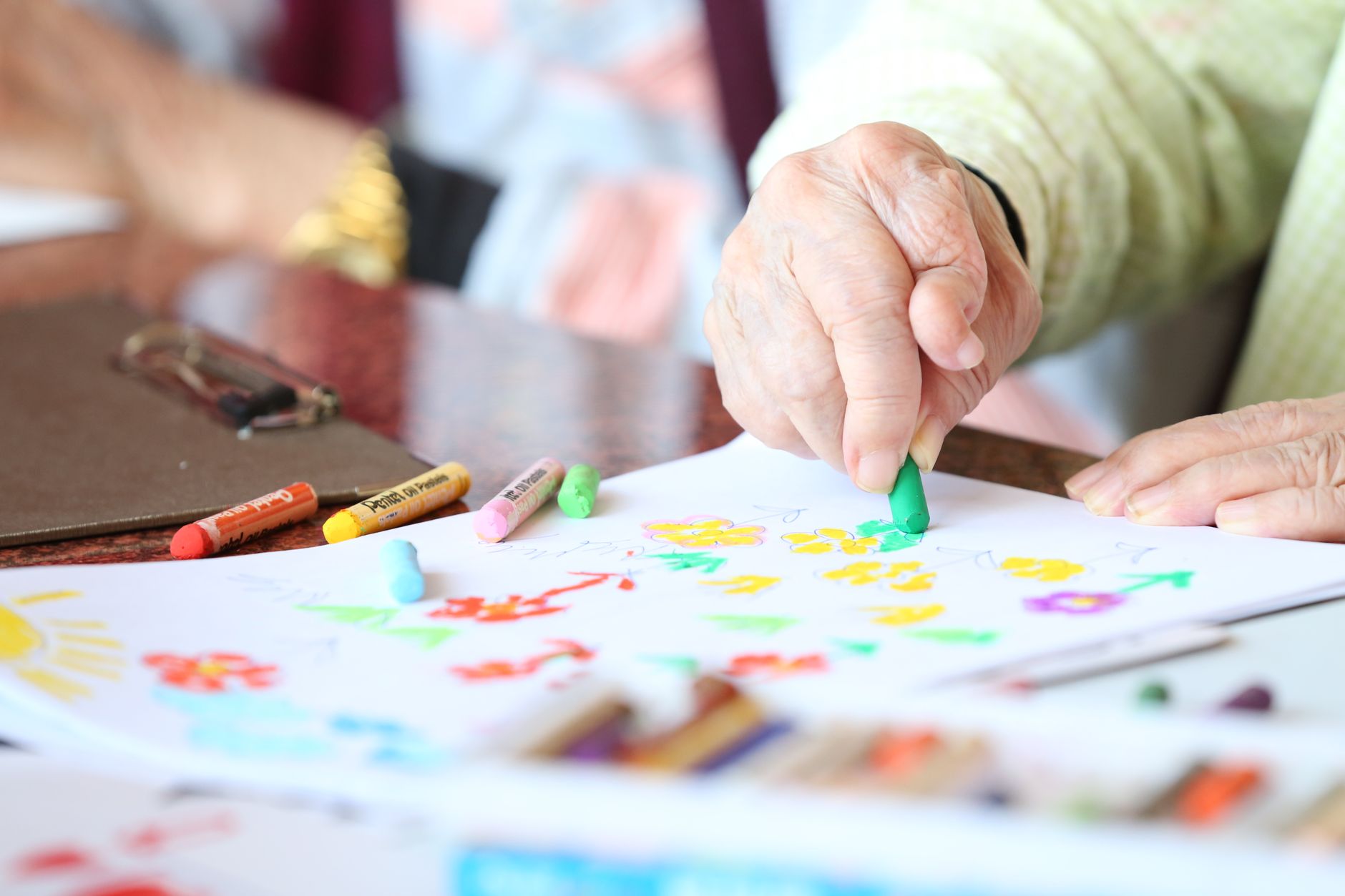
Art therapy, also known as expressive arts therapy or creative arts therapy, is a form of mental health support that uses the creative process to help individuals explore their thoughts, feelings, and experiences. It operates on the principle that art-making can be a potent tool for emotional expression and healing. You don't need to be a professional artist or possess any artistic talent to benefit. The focus is not on creating a 'masterpiece,' but rather on using activities like painting, drawing, sculpting, or collage as a means to express deep-seated concerns, process emotional conflicts, improve mood, and alleviate stress.
Imagine a patient, let's call her Priya, who has just received her metastatic breast cancer diagnosis. She feels a knot of fear in her stomach and struggles to articulate her feelings to her family. During an art therapy session, she might pick up a paintbrush and, without conscious thought, begin to create a swirling, dark image. As she continues, the therapist guides her to explore the colours and shapes, helping her to unpack the emotions that the image represents. This process allows Priya to externalize her fears in a safe, non-verbal way, offering a sense of release and a new perspective.
How Art Therapy Helps with Metastatic Breast Cancer
While art therapy does not treat cancer itself, studies suggest it offers a range of complementary benefits for individuals navigating a metastatic breast cancer diagnosis. These benefits can significantly enhance a person's overall well-being and ability to cope:
- Improved Coping Mechanisms: Art therapy provides a safe outlet for processing the complex emotions associated with cancer, helping patients develop healthier ways to manage stress, anxiety, and fear.
- Emotional Expression: For feelings that are difficult to put into words, art offers a powerful channel for expression. This can lead to a greater understanding of one's own emotional landscape.
- Mood Enhancement: Engaging in creative activities can be uplifting and can help to combat feelings of depression or hopelessness that may arise.
- Stress Reduction: The focused nature of art-making can act as a form of mindfulness, drawing attention away from worries and promoting a sense of calm.
- Boosting Self-Confidence: Successfully completing an art project, no matter how simple, can foster a sense of accomplishment and boost self-esteem, which can be particularly beneficial during challenging times.
- Facilitating Social Connection: Group art therapy sessions can create a supportive environment where patients can share their experiences with others facing similar challenges, reducing feelings of isolation.
- Shifting Focus: Art can provide a much-needed distraction from pain or discomfort, allowing for moments of respite and engagement in something positive.
What to Expect in an Art Therapy Session
Art therapy sessions are typically led by a trained professional, often a clinician with a master's degree in integrative mental health and human services. These sessions can be conducted individually or in a group setting and may take place in various locations, including hospitals, private practices, or community clinics.
During your first session, the art therapist will usually spend time getting to know you, understanding your needs, and discussing your expectations. Based on this conversation, they will create a personalized art therapy plan. This plan will outline the frequency and duration of your sessions, as well as the specific goals for each meeting.
The art therapist will provide all the necessary tools and materials for your creative exploration. The duration of a session can vary; a review of research indicates that sessions can range from a few minutes to 2.5 hours, with most lasting around an hour. The overall duration of art therapy can also vary, with individuals participating for a few weeks to several months.
Finding a Trained Art Therapist
If you are considering art therapy, the first step is often to speak with your doctor or your cancer care team. They can provide referrals to qualified art therapists in your area. Additionally, professional organizations offer resources to help you find a credentialed art therapist:
- The American Art Therapy Association (AATA)
- The Art Therapy Credentials Board (ATCB)
These organizations often have locator tools on their websites that can help you find a professional near you. If you are part of a cancer support group, don't hesitate to ask other members for recommendations. Their personal experiences can be invaluable in guiding your search.
Frequently Asked Questions about Art Therapy for Cancer
Is art therapy only for people who are good at art?
Absolutely not! Art therapy is for everyone, regardless of artistic skill. The process of creating art is more important than the final product. It's about self-expression and emotional exploration.
Can art therapy help with the physical pain of cancer?
While art therapy doesn't directly treat physical pain, it can help manage the emotional distress that often accompanies pain. By reducing stress and anxiety, it can indirectly influence your perception of pain and improve your overall comfort.
How long does it take to see benefits from art therapy?
The benefits of art therapy can vary from person to person. Some individuals may experience relief after just a few sessions, while others may benefit from ongoing therapy over several weeks or months. Consistency and engagement with the process are key.
Can art therapy be done at home?
While professional art therapy is best conducted with a trained therapist, some individuals find personal creative activities at home beneficial for stress relief. However, this should not replace professional therapy if recommended by your doctor.
What This Means In Daily Life
Most people do not notice early warning signs right away. That is common. A simple symptom diary, basic routine checks, and timely follow-up visits can prevent small problems from becoming serious.
If you are already on treatment, stay consistent with medicines and lifestyle advice. If your symptoms change, do not guess. Check with a qualified doctor and update your plan early.
Simple Action Plan
Write down symptoms, triggers, and timing for a few days.
Carry old prescriptions and test reports to your consultation.
Ask clearly about side effects, red-flag signs, and follow-up dates.
Seek urgent care for severe pain, breathing trouble, bleeding, fainting, or sudden worsening.