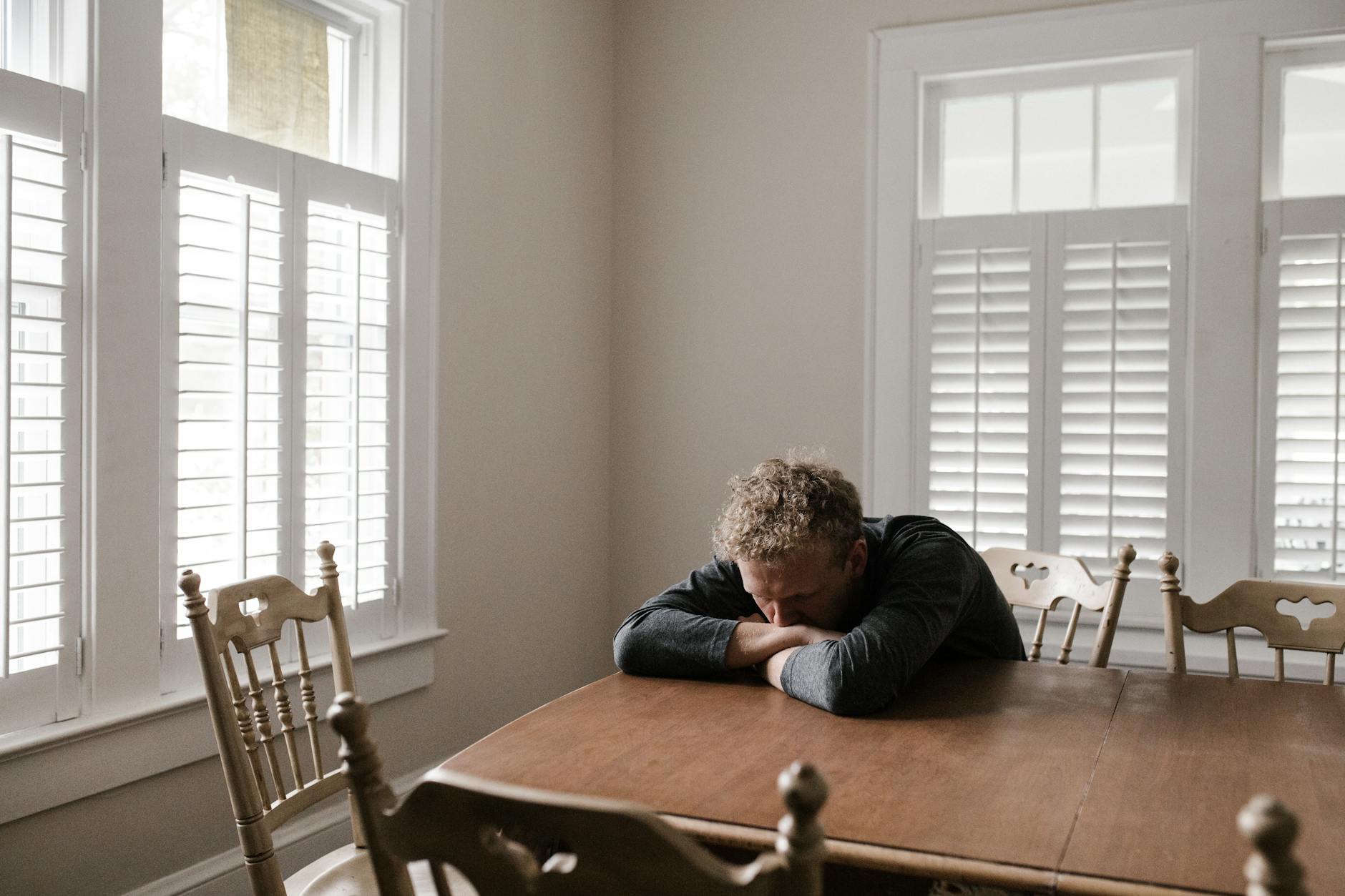
Living with Chronic Lymphocytic Leukemia (CLL) can present many challenges, and one of the most persistent and frustrating is fatigue. Unlike the everyday tiredness we all experience, CLL-related fatigue is a deep, overwhelming exhaustion that doesn’t simply disappear with rest. It can significantly impact your daily life, making it difficult to perform simple tasks and affecting your overall well-being. This isn’t just about feeling a bit sleepy; it’s a profound lack of energy that can feel like a constant weight.
The good news is that understanding the causes of this fatigue is the first step towards managing it. The fatigue you feel might stem directly from the CLL itself, the treatments you’re undergoing, or other underlying health issues that can be addressed. By working closely with your healthcare team and implementing practical strategies, you can regain some control over your energy levels and improve your quality of life.
Understanding CLL-Related Fatigue
Fatigue in CLL is distinct. While a regular tired feeling often resolves with sleep or a break, CLL fatigue persists. It can make you feel weak, drained, and unable to keep up with your usual activities. Even after treatment concludes, some individuals continue to experience this pervasive exhaustion.
Several factors contribute to this persistent fatigue:
- Inflammation: CLL triggers increased inflammation throughout your body, which is a significant energy drain. Your body is constantly working harder to manage this inflammation.
- Reduced Red Blood Cells: CLL can lower your red blood cell count. These cells are vital for carrying oxygen to all parts of your body. A shortage means less oxygen reaches your tissues, leading to breathlessness and a feeling of being utterly depleted.
- Compromised Immune System: A decrease in healthy white blood cells makes you more vulnerable to infections. Fighting off even minor infections requires a substantial amount of energy, further contributing to your fatigue.
- Cytokine Production: The body may produce cytokines in response to CLL, and these substances are known to induce feelings of tiredness.
How Treatments Can Worsen Fatigue
The very treatments designed to fight CLL can sometimes exacerbate fatigue. Chemotherapy, while effective against cancer cells, also affects healthy cells, requiring your body to expend extra energy on repair. Furthermore, medications used to manage side effects like nausea or pain can cause drowsiness and contribute to overall fatigue.
Exploring Other Potential Causes of Fatigue
It’s essential to remember that fatigue can have multiple roots. Your doctor will help investigate other common conditions that might be contributing to or worsening your exhaustion:
- Hypothyroidism: An underactive thyroid gland doesn’t produce enough thyroid hormones, which can slow your metabolism and lead to fatigue. Simple blood tests can diagnose this, and oral medication often restores normal hormone levels.
- Pain: Living with chronic pain is physically and mentally exhausting. If you’re experiencing pain, discuss it openly with your doctor. They can help adjust pain medication, explore physical therapy, or suggest counseling to manage pain more effectively.
- Mental Health: Conditions like depression, anxiety, and high stress levels are common among individuals with cancer and can significantly impact energy. Seeking support from a mental health professional can provide valuable coping strategies and improve your sense of well-being. A counselor can be an integral part of your care team.
- Dehydration: Not drinking enough fluids can affect your blood volume and nutrient transport, making fatigue worse. Staying hydrated with water, herbal teas, or other healthy beverages is important.
A Real-Life Scenario: Imagine Mrs. Sharma, who has been managing CLL for a few years. Recently, she’s noticed a dramatic drop in her energy, struggling to even get up for her morning walk, which she used to love. She initially thought it was just her CLL worsening, but her doctor suggested checking for other issues. Blood tests revealed her iron levels were low, likely due to her reduced appetite and less frequent meals. Her doctor recommended dietary changes and a supplement, and within a few weeks, Mrs. Sharma felt a noticeable difference in her energy.
Practical Strategies for Managing CLL Fatigue
While medical management is key, several lifestyle adjustments can help you cope with fatigue:
Pacing Your Energy
The key is to balance activity with rest. Don’t push yourself too hard on days you feel slightly better, as this can lead to a crash later. Break down tasks into smaller, manageable steps. Schedule rest periods throughout the day, even if you don’t feel tired. This proactive approach can help prevent severe energy depletion.
Prioritize and Delegate
Identify what’s most important to you and focus your energy there. Don’t be afraid to ask for help from family or friends for tasks that drain your energy, such as grocery shopping or household chores. Delegating can free up your energy for activities you enjoy.
Nutrition for Energy
What you eat directly impacts your energy levels. Aim for balanced meals and snacks throughout the day to maintain stable blood sugar and provide sustained energy. Focus on whole foods like fruits, vegetables, lean proteins, and whole grains.
- Eat Regularly: Try to eat something every 2 to 3 hours, even if it’s a small portion. This helps keep your energy levels more consistent.
- Small, Frequent Meals: If you have a poor appetite, smaller, more frequent meals can be easier to manage and ensure you’re getting adequate nutrition.
- Nutrient-Dense Foods: Choose foods that pack a lot of nutritional punch. For example, a handful of almonds provides healthy fats and protein, while a piece of fruit offers natural sugars and vitamins.
Iron and B-12: Your doctor may check your iron and B-12 levels, as deficiencies in these can cause significant fatigue. If a deficiency is found, dietary changes or supplements can help restore your levels. For instance, incorporating more leafy green vegetables, lean red meat (if suitable for your diet), or fortified cereals can boost iron intake. Similarly, B-12 can be found in dairy products, eggs, and fortified foods.
Stay Hydrated
Dehydration can worsen fatigue. Keep a water bottle with you and sip throughout the day. Herbal teas and diluted fruit juices can also contribute to your fluid intake. Listen to your body; thirst is a sign you’re already becoming dehydrated.
Gentle Exercise
While it might seem counterintuitive, gentle physical activity can actually boost energy levels. Start slowly with short walks or simple stretching exercises. Consult your doctor before starting any new exercise program to ensure it’s safe and appropriate for your condition. Even 10-15 minutes of light activity daily can make a difference.
Prioritize Sleep Hygiene
While sleep may not fully resolve CLL fatigue, good sleep hygiene is still important. Aim for a consistent sleep schedule, create a relaxing bedtime routine, and ensure your bedroom is dark, quiet, and cool. Avoid caffeine and heavy meals close to bedtime.
Manage Stress and Mood
Stress, anxiety, and depression can amplify fatigue. Practice relaxation techniques like deep breathing exercises, mindfulness, or gentle yoga. If you’re struggling with your mental health, don’t hesitate to seek professional help from a therapist or counselor.
When to Consult Your Doctor
It’s vital to maintain open communication with your healthcare team. You should consult your doctor if:
- Your fatigue suddenly worsens.
- Your fatigue interferes significantly with your daily activities and quality of life.
- You experience new or worsening symptoms like shortness of breath, dizziness, or unusual bleeding.
- You suspect another medical condition might be contributing to your fatigue.
- Your current fatigue management strategies are not providing relief.
Your doctor is your most important partner in managing CLL and its symptoms, including fatigue. They can help identify the underlying causes and tailor a treatment plan that’s right for you.
Frequently Asked Questions (FAQ)
Can fatigue from CLL ever go away completely?
For some individuals, fatigue may significantly improve or even resolve after successful CLL treatment. However, for others, it can be a long-term challenge that requires ongoing management strategies. The goal is often to reduce its severity and improve your ability to function despite it.
Is it okay to exercise when I have CLL fatigue?
Yes, gentle exercise is often recommended. It can help improve energy levels and overall well-being. However, it’s essential to discuss any exercise plan with your doctor first to ensure it’s safe and appropriate for your individual health status and current energy levels.
What if my fatigue is so bad I can't work?
If your fatigue is severely impacting your ability to work, discuss this with your doctor. They can provide documentation to support disability claims if necessary and help explore options for managing your condition while maintaining employment or seeking alternative arrangements.