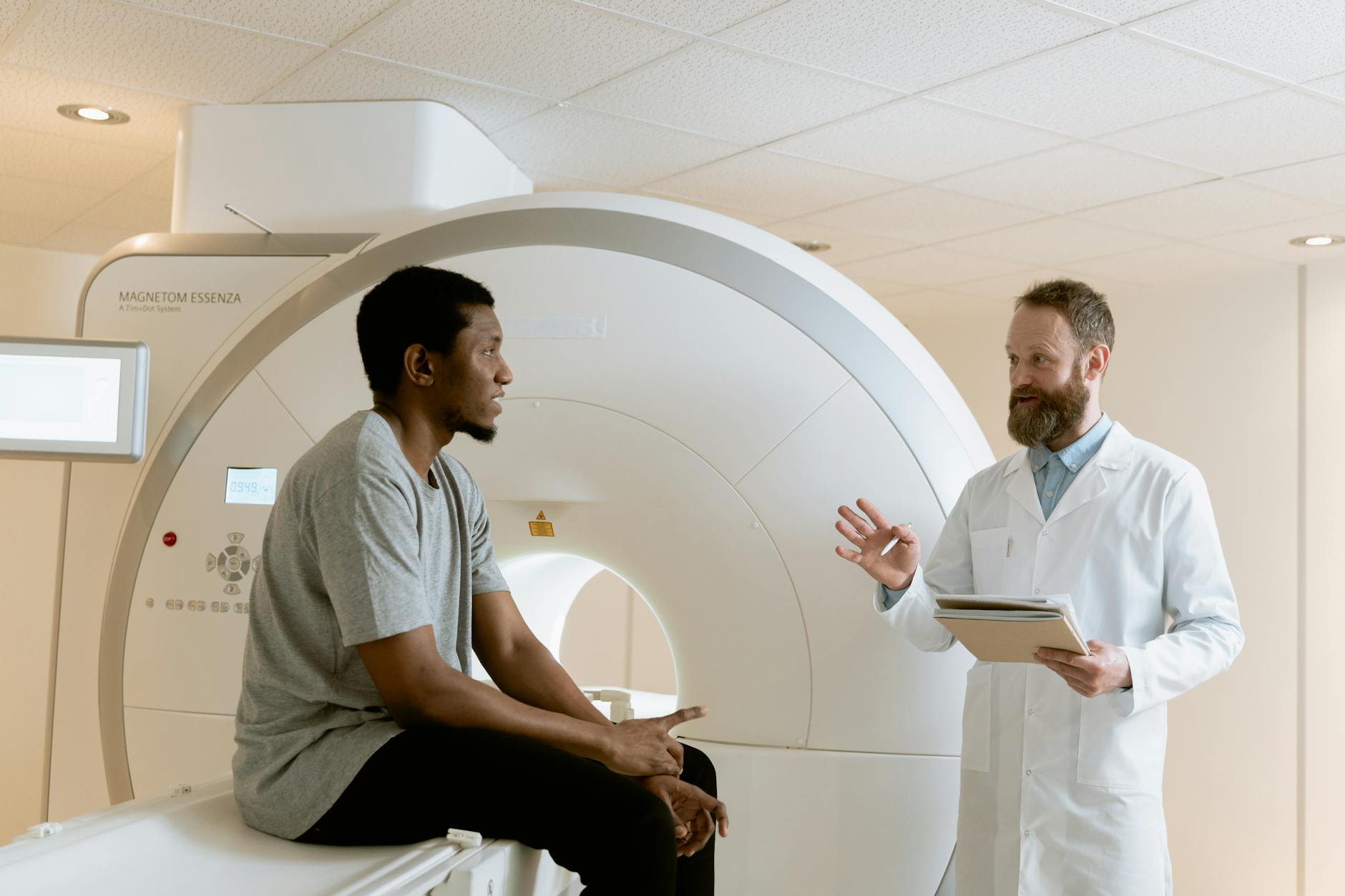
Receiving a diagnosis like multiple myeloma can feel like a tidal wave, bringing with it a flood of questions, anxieties, and uncertainties. It's completely natural to feel overwhelmed. In this complex journey, seeking a second opinion isn't just an option; for many, it's a vital step towards solidifying confidence in their diagnosis and treatment plan. Think of it as gathering more information, ensuring all avenues are explored, and ultimately, empowering yourself to make the most informed decisions about your health. This isn't about doubting your initial doctor; it's about seeking validation and potentially uncovering new perspectives or cutting-edge approaches that might benefit you.
Understanding Multiple Myeloma
Before we dive into the 'why' of a second opinion, let's briefly touch upon what multiple myeloma actually is. It's a type of cancer that targets plasma cells, a crucial component of our immune system found in the bone marrow. Normally, these plasma cells are busy producing antibodies that help us fight off infections. However, in multiple myeloma, these cells go rogue. They transform into cancerous cells, multiplying uncontrollably. This overgrowth disrupts the production of healthy blood cells, weakening your body's ability to fend off illness. It can also lead to a shortage of red blood cells, causing anemia, which manifests as fatigue, weakness, and shortness of breath. Furthermore, the abnormal plasma cells can damage bone, leading to chronic pain and an increased risk of fractures. It's a serious condition, but with advancements in treatment, many individuals are now living longer, fuller lives.
Why Consider a Second Opinion?
The decision to seek a second opinion after a multiple myeloma diagnosis is a personal one, and there are several compelling reasons why it can be incredibly beneficial:
1. Confirmation and Confidence
Sometimes, you might have a fantastic doctor and a treatment plan that makes sense. A second opinion can serve to confirm that your initial assessment is indeed the best course of action. Hearing the same recommendation from another expert can significantly boost your confidence and peace of mind, allowing you to proceed with treatment feeling more secure.
2. Exploring All Treatment Options
Medical science is constantly evolving, especially in cancer treatment. A different specialist, perhaps one with more experience in multiple myeloma or working at a centre focused on cutting-edge research, might be aware of newer therapies, clinical trials, or innovative treatment combinations that weren't initially discussed. This doesn't mean the first doctor missed something; it simply means there's a vast landscape of knowledge, and another expert might offer a different perspective on the best path forward.
3. Gaining a Deeper Understanding
A new doctor can explain your diagnosis, prognosis, and treatment options in a different way. Sometimes, hearing information presented from a fresh angle can help complex medical details click into place, leading to a more profound understanding of your condition and what to expect.
4. Building a Better Doctor-Patient Relationship
Not every doctor-patient relationship is a perfect fit from the start. If you feel a disconnect with your current specialist, or if communication feels challenging, a second opinion offers an opportunity to find a doctor with whom you feel more comfortable and connected. This relationship is vital for a long and often challenging treatment journey.
5. Addressing Specific Concerns
You might have specific questions or concerns about your diagnosis, the potential side effects of treatment, or the long-term outlook. A second opinion allows you to voice these directly to another specialist and get tailored answers.
When is a Second Opinion Particularly Important?
While a second opinion is almost always a good idea, it becomes especially critical in certain situations:
- Rare or Complex Diagnoses: Multiple myeloma, while not extremely rare, falls into a category where specialized expertise can make a significant difference.
- Treatment Recommendations Involving High Risk or Toxicity: If the proposed treatment involves significant side effects or is considered high-risk, getting a second opinion is prudent.
- Lack of Improvement with Initial Treatment: If you're not seeing the expected results from your current treatment plan, it's time to explore other possibilities.
- Feeling Unsure or Anxious: Your intuition is important. If you have persistent doubts or a nagging feeling that something isn't quite right, listen to that feeling and seek further consultation.
How to Seek a Second Opinion
Navigating the process of getting a second opinion can seem daunting, but it's manageable:
- Talk to Your Current Doctor: Most doctors expect and support patients seeking second opinions. Frame it positively: "I'm looking for another expert's perspective to ensure I'm making the best decisions for my health." Your doctor can often provide referrals.
- Consult Your Primary Care Physician: Your GP is a great resource. They have a broad network and can recommend specialists, especially those with experience in hematology-oncology.
- Reach Out to Cancer Centers: Academic medical centers or hospitals with dedicated cancer treatment facilities often have specialists who focus specifically on conditions like multiple myeloma.
- Ask for Recommendations: Friends, family, or support groups for individuals with multiple myeloma might have valuable suggestions for specialists.
- Gather Your Medical Records: Ensure you have all relevant test results, imaging scans, pathology reports, and summaries of your previous treatments. This information is essential for the new specialist.
- Prepare Your Questions: Write down all your questions beforehand. This ensures you cover everything you want to discuss during the appointment.
Potential Challenges and Considerations
It's important to be aware that seeking a second opinion can sometimes involve:
- Time and Effort: Scheduling appointments, gathering records, and attending consultations requires time and energy.
- Potential Delay in Treatment: While not always the case, there might be a slight delay while you arrange and attend the second opinion appointment. Weigh this against the potential benefits.
- Cost: Depending on your insurance, there might be additional costs involved. Check with your insurance provider beforehand.
The Verdict: Is It Worth It?
Ultimately, the decision to pursue a second opinion rests with you. For many, the peace of mind, the potential for discovering new treatment avenues, and the empowerment that comes from having comprehensive information far outweigh the challenges. It's about taking an active role in your healthcare journey, especially when facing a serious diagnosis like multiple myeloma. Don't hesitate to seek out the best possible care and understanding for yourself.
FAQ Section
Will my first doctor be offended if I seek a second opinion?
Reputable doctors understand that a cancer diagnosis is significant. They generally welcome second opinions as a way for patients to feel more confident about their care. It's a sign of a proactive patient, not a lack of trust.
How long does it usually take to get a second opinion?
This can vary. Scheduling an appointment might take a few weeks, depending on the specialist's availability. However, some centers offer expedited consultations for complex cases.
What if the second doctor suggests a completely different treatment?
This is where discussion and further research come in. You might need to discuss the differences with both doctors, consult with a third expert if necessary, or choose the approach that you feel most comfortable with after thorough consideration.
Can I get a second opinion if I live in a remote area?
Yes. Many specialists offer telehealth consultations. Additionally, you can arrange for a consultation at a larger cancer center and then work with your local doctor to implement the recommended treatment plan.