When you're facing a diagnosis like bladder cancer, your focus naturally shifts to treatment and recovery. Amidst this, understanding how to nourish your body becomes a vital part of your care journey. It's completely normal to feel concerned about eating well, especially when treatment can bring about changes like decreased appetite or digestive discomfort. This guide is designed to help you navigate the world of nutrition with bladder cancer, offering practical advice tailored for an Indian context.
Understanding the Role of Diet in Bladder Cancer Care
While there isn't a single 'magic' diet that cures bladder cancer, what you eat plays a significant role in supporting your body through treatment. The goal is to provide your body with the essential nutrients it needs to repair, maintain muscle mass, and keep your immune system strong. Think of food as a powerful ally in your fight against the disease.
Cancer and its treatments can sometimes lead to deficiencies in important vitamins like D, folate, and B12. It's always a good idea to discuss with your doctor or a registered dietitian if supplements might be beneficial for you.
Why Nutrition Matters During Treatment
Bladder cancer treatment, such as chemotherapy or radiation, can sometimes cause side effects that make eating a challenge. These might include:
- Reduced appetite
- Nausea or vomiting
- Changes in taste or smell
- Difficulty swallowing or chewing
- Diarrhea or constipation
These symptoms can make it hard to get the calories and nutrients your body needs. A well-planned diet can help manage these side effects and ensure you receive adequate nutrition.
What Constitutes a Healthy Eating Pattern for Bladder Cancer Patients?
The emphasis is on a nutrient-dense diet, which means focusing on foods packed with vitamins, minerals, fiber, and protein. While specific dietary needs vary from person to person, a generally recommended approach includes:
Fruits and Vegetables: Your Vitamin and Fiber Powerhouses
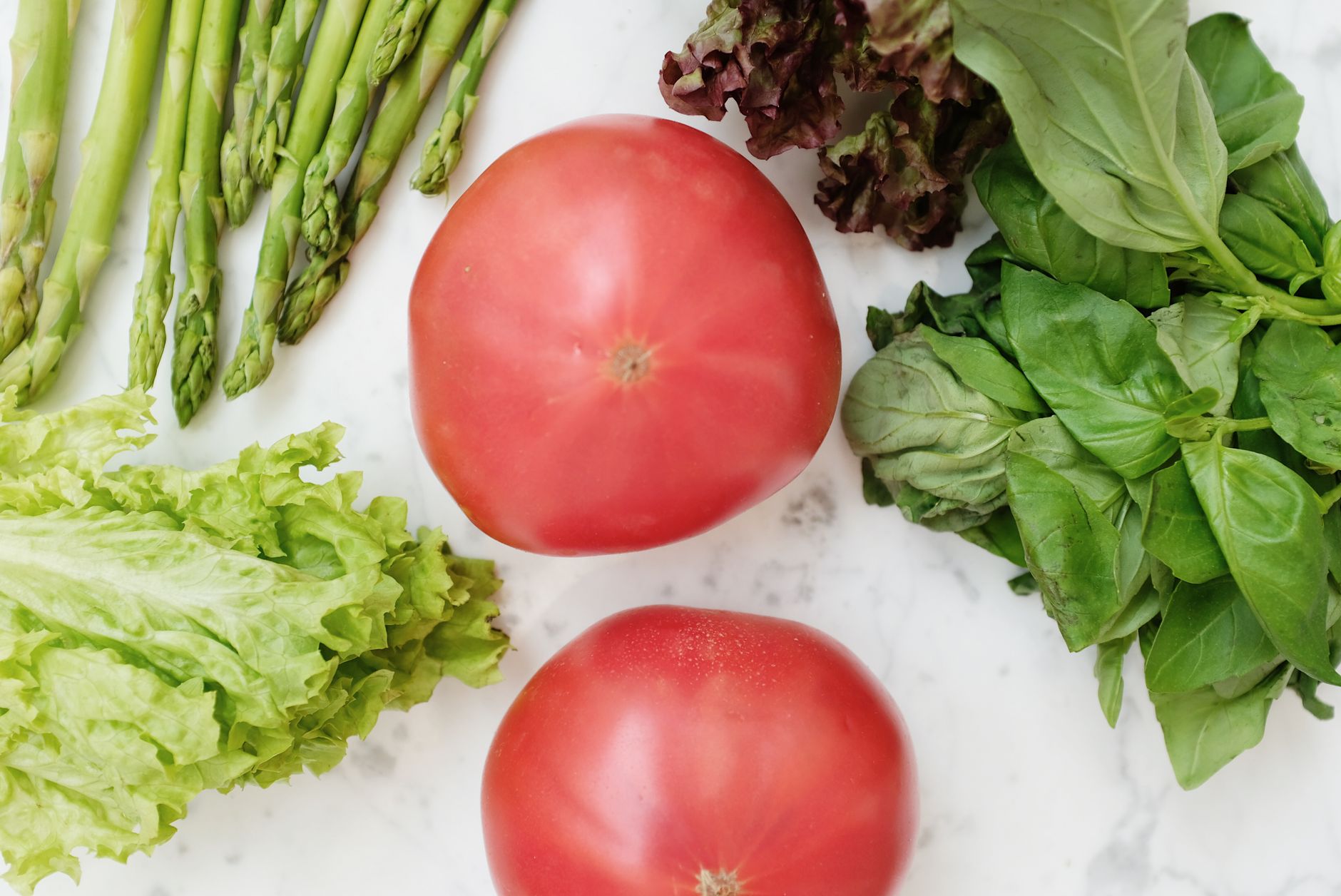
These are essential for providing a wide array of vitamins, minerals, and fiber. Fiber is particularly important for maintaining a healthy digestive system and can help combat constipation, a common issue during treatment. Aim to include a variety of colourful fruits and vegetables in your daily meals. Think about including:
- Leafy greens like spinach (palak) and fenugreek leaves (methi)
- Cruciferous vegetables such as cauliflower (gobi) and broccoli
- Citrus fruits like oranges (santra) and lemons (nimbu)
- Berries, apples (seb), and bananas (kela)
- Indian staples like gourds (lauki), ridge gourd (turai), and drumsticks (sahjan)
Practical Tip: If you find it hard to eat large portions, try having smaller servings of fruits and vegetables throughout the day. Smoothies with fruits and a handful of spinach can be an easy way to boost intake.
Protein: Building and Repairing Your Body
Cancer and its treatments can increase your body's protein requirements. Adequate protein intake is crucial for preserving muscle mass and supporting your immune system. Good sources of protein include:
- Lean Meats: Chicken (murgi) and fish (machhli). It's advisable to limit red and processed meats, as some research suggests a link to increased bladder cancer risk.
- Pulses and Legumes: Lentils (dal), chickpeas (chana), kidney beans (rajma), and other beans are excellent plant-based protein sources and are rich in fiber.
- Dairy Products: Curd (dahi), paneer, and milk (doodh) provide protein and calcium.
- Nuts and Seeds: Almonds (badam), walnuts (akhrot), and chia seeds offer protein and healthy fats.
Scenario: Mrs. Sharma, undergoing chemotherapy, found her appetite dwindling. Her dietitian suggested incorporating small, protein-rich snacks like a handful of roasted chana, a small bowl of dal, or a glass of lassi between meals to ensure she got enough protein without feeling overwhelmed.
Healthy Fats: For Energy and Nutrient Absorption
Fats are important for energy and help your body absorb certain vitamins. Focus on unsaturated fats:
- Vegetable Oils: Olive oil, mustard oil (sarson ka tel), and groundnut oil.
- Nuts and Seeds: As mentioned, these are great sources.
- Fatty Fish: Like salmon or mackerel, if available and preferred.
Whole Grains: For Sustained Energy and Fiber
Whole grains provide sustained energy and dietary fiber. Opt for:
- Whole wheat flour (atta) for rotis and parathas
- Brown rice (kala chawal)
- Oats (jau)
- Millets like jowar, bajra, and ragi
Hydration: The Unsung Hero
Staying well-hydrated is incredibly important, especially during bladder cancer treatment. Adequate fluid intake helps your body function optimally and can aid in managing side effects like constipation. Aim for at least 8 glasses of water daily.
Tips for increasing fluid intake:
- Keep a water bottle handy and sip throughout the day.
- Include other fluids like clear soups, broths, herbal teas, and diluted fruit juices.
- Warm liquids such as tea, coffee, broth, and soup can be particularly helpful for constipation.
Note on Tea: Some studies suggest that polyphenols in green tea may have a role in cancer prevention and treatment. However, research on tea's direct impact on bladder cancer risk and recurrence is mixed. It's best to discuss with your doctor whether tea is a suitable beverage for you, considering your specific condition and any ongoing treatments.
Foods to Potentially Limit or Avoid
While focusing on nutritious foods is key, some dietary patterns have been associated with an increased risk of bladder cancer or recurrence. It's generally advised to:
- Limit Red and Processed Meats: Some research indicates a higher risk of bladder cancer associated with high consumption of these meats.
- Reduce Fried and Highly Processed Foods: These often lack essential nutrients and can contribute to inflammation. A diet high in fried foods and processed items, sometimes referred to as a 'Western diet,' has been linked to a greater risk of bladder cancer recurrence in some studies.
Exploring Specific Dietary Approaches
The Mediterranean Diet
Many studies highlight the benefits of a Mediterranean diet, which is rich in vegetables, fruits, whole grains, legumes, nuts, seeds, and olive oil, with moderate fish and poultry intake. This eating pattern is associated with lower inflammation and a reduced risk of heart disease, and some research suggests it may offer advantages in reducing bladder cancer risk.
Probiotics and Gut Health
A fascinating area of research involves probiotics. One older study mentioned in recent reviews found that consuming Lactobacillus casei during intravesical chemotherapy (chemotherapy delivered directly into the bladder) was associated with a lower rate of cancer recurrence in some patients. While more research is needed, maintaining good gut health through fermented foods like curd (dahi) and yogurt can be beneficial for overall well-being.
When to Seek Professional Guidance
Navigating dietary changes during cancer treatment can be complex. It's highly recommended to consult with healthcare professionals:
- Oncologist: Your primary cancer doctor can provide guidance on how your treatment plan may affect your nutritional needs.
- Registered Dietitian (RD) or Nutritionist: An RD can create a personalized meal plan that accounts for your specific condition, treatment side effects, food preferences, and cultural dietary habits (like those common in India). They can help you manage symptoms and ensure you meet your nutritional goals.
When to Consult Your Doctor Immediately
While this guide offers general advice, always consult your doctor if you experience:
- Sudden and unexplained weight loss
- Severe nausea or vomiting that prevents you from keeping food down
- Significant changes in bowel habits (persistent diarrhea or constipation)
- Difficulty swallowing
- Any new or worsening symptoms related to your treatment or condition
Frequently Asked Questions (FAQs)
Q1: Is there a specific 'bladder cancer diet'?
A: No, there isn't one single prescribed diet for everyone with bladder cancer. The best approach is a balanced, nutrient-dense diet tailored to your individual needs, treatment, and side effects, often guided by a healthcare professional.
Q2: Can I eat Indian food if I have bladder cancer?
A: Absolutely! Indian cuisine offers a wealth of nutritious ingredients like dals, vegetables, whole grains, and spices. The key is to focus on preparing meals in healthier ways (e.g., less oil, baking instead of deep-frying) and emphasizing nutrient-rich traditional dishes.
Q3: How can I manage a poor appetite during treatment?
A: Focus on small, frequent meals. Choose nutrient-dense foods that you find appealing. Try to eat when you feel most hungry, even if it's not during traditional meal times. Smoothies, soups, and protein shakes can be helpful.
Q4: Are supplements necessary?
A: Supplements may be necessary if you have deficiencies or are unable to meet your nutritional needs through food alone. However, they should only be taken under the guidance of your doctor or dietitian to avoid interactions with your treatment or other health conditions.
Taking care of your nutrition is an empowering step in managing bladder cancer. By focusing on a balanced diet, staying hydrated, and seeking professional guidance, you can better support your body through treatment and recovery.