Radiation therapy, often referred to as radiotherapy, is a cornerstone in the fight against cancer. It harnesses the power of high-energy waves, like X-rays, gamma rays, or charged particles, to damage the DNA of cancer cells. This damage effectively stops cancer cells from growing, multiplying, and spreading. In many cases, radiation therapy can lead to the complete destruction of cancerous tumors. It's a treatment that has evolved significantly over the years, offering more precise targeting and reduced side effects, making it a vital option for millions of patients worldwide.
The decision to use radiation therapy is a complex one, made by a team of medical professionals. They consider the type of cancer, its stage, its location, and your overall health. Radiation therapy can be used as a standalone treatment or in combination with other therapies like surgery or chemotherapy. For instance, it might be used after surgery to eliminate any remaining cancer cells or before surgery to shrink a tumor, making it easier to remove.
What Exactly Happens During Radiation Therapy?
The fundamental principle behind radiation therapy is to deliver a precise dose of radiation to the cancerous cells while minimizing exposure to surrounding healthy tissues. The energy waves disrupt the cancer cells' ability to repair themselves and divide, leading to their demise. Think of it like a highly targeted attack, designed to incapacitate the enemy without causing excessive collateral damage.
External Beam Radiation Therapy (EBRT)
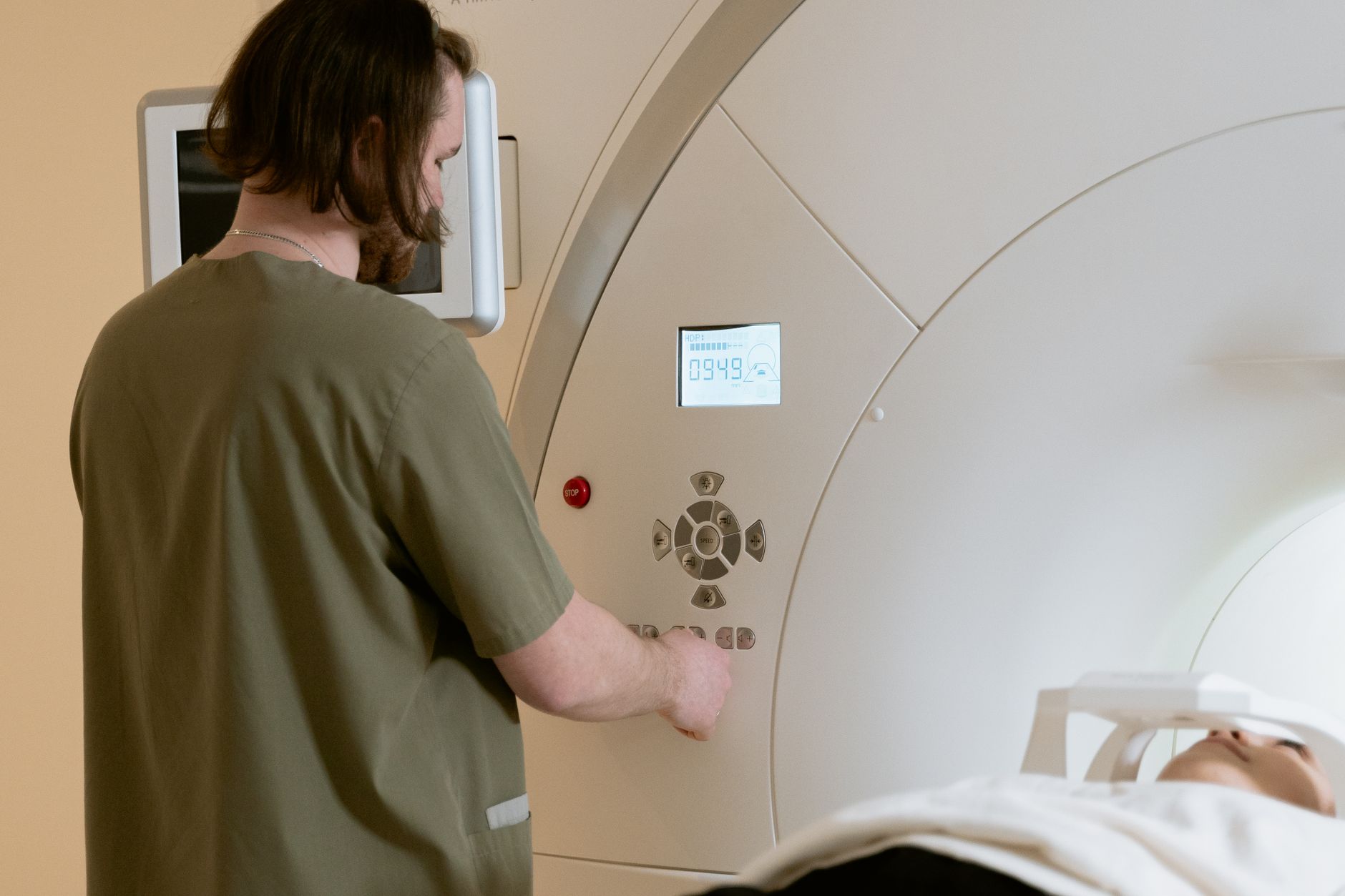
This is the most common form of radiation therapy. In EBRT, a machine located outside your body delivers radiation to the affected area. You'll lie on a special table, and a machine called a linear accelerator will move around you, directing radiation beams from various angles. These beams are invisible and you won't feel them during treatment. The machine is carefully positioned to ensure the radiation precisely targets the tumor. Each session is relatively short, typically lasting between 15 to 30 minutes, though the setup might take a bit longer.
Internal Radiation Therapy (Brachytherapy)
Internal radiation therapy, also known as brachytherapy, involves placing a radiation source directly inside or very close to the cancer site. This can be done in a few ways:
- Sealed Sources: Small capsules or wires containing radioactive material are implanted into the body. These are often placed during a surgical procedure, sometimes under anesthesia. The implant might stay in place permanently or be removed after treatment.
- Unsealed Sources: Radioactive liquids are administered orally, intravenously, or by injection. These liquids travel through the bloodstream to reach the cancer cells. The radioactivity is temporary and is eliminated from the body over time, but bodily fluids may emit radiation for a period, requiring specific precautions.
The choice between EBRT and brachytherapy depends on many factors, including the type and location of the cancer, its proximity to vital organs, and whether other treatments are being used.
Common Side Effects of Radiation Therapy
While radiation therapy is highly effective, it's not without its potential side effects. These can vary greatly depending on the area being treated, the dose of radiation, and the individual's overall health. It's important to remember that not everyone experiences all side effects, and many are manageable.
- Fatigue: This is one of the most common side effects. It's a deep tiredness that doesn't always improve with rest. Pacing yourself and accepting help are key.
- Skin Reactions: The skin in the treated area can become red, dry, itchy, or sore, similar to a sunburn. In some cases, reactions can be moderate to severe, affecting almost 90% of people. Protecting your skin is paramount. This means avoiding tight clothing, using mild, unscented soaps, and staying away from harsh chemicals or extreme temperatures. Your doctor or nurse will provide specific skincare advice.
- Hair Loss: Hair loss typically occurs only in the specific area being treated. If your scalp is treated, you'll likely experience hair loss there. It's often temporary, with hair regrowing after treatment ends.
- Low Blood Cell Counts: Radiation, especially when it affects large areas or bone marrow, can reduce the number of red blood cells, white blood cells, and platelets. This can lead to anemia, increased risk of infection, and bleeding. Regular blood tests monitor these levels.
- Swelling: Swelling, or lymphedema, can occur if lymph nodes are in or near the treatment area, particularly in cases of breast or head and neck cancers.
- Pain: Some patients experience pain or discomfort in the treated area, which can be managed with medication.
A common scenario patients face is feeling overwhelmed by these potential side effects. For example, Mrs. Sharma, undergoing treatment for breast cancer, worried constantly about her skin becoming too irritated to bear. Her radiation oncology nurse showed her specific ways to moisturize and protect her skin, and provided her with gentle washes. This practical advice made a significant difference, easing her anxiety and allowing her to focus on healing.
Protecting Your Skin During Treatment
Skin care is a critical part of radiation therapy. Your skin is your body's first line of defense, and it needs extra attention during treatment. Here are some practical steps:
- Wear loose-fitting, soft clothing over the treatment area.
- Avoid shaving the treated area. If you must shave, use an electric razor very gently.
- Use lukewarm water and mild, unscented soaps when bathing or showering. Pat your skin dry gently.
- Do not apply lotions, creams, powders, or perfumes to the treatment area unless specifically recommended by your healthcare team.
- Avoid sun exposure to the treated area. If you must go outside, wear protective clothing and use a broad-spectrum sunscreen with a high SPF, as advised by your doctor.
- Do not use hot water bottles, heating pads, or ice packs on the treated area.
- Avoid swimming in chlorinated pools or hot tubs.
When To Consult Your Doctor
It's essential to maintain open communication with your healthcare team throughout your radiation therapy. You should contact your doctor or radiation oncology nurse immediately if you experience:
- Severe skin reactions, such as blistering, peeling, or open sores.
- Fever or chills, which could indicate an infection.
- Unmanageable pain or nausea.
- Significant swelling.
- Any other symptoms that concern you.
Don't hesitate to ask questions. Your medical team is there to support you and help manage any side effects effectively.
Frequently Asked Questions (FAQ)
Can radiation therapy cure cancer?
Yes, radiation therapy can cure certain types of cancer, especially when used in the early stages. It can also be used to control cancer growth or relieve symptoms when a cure isn't possible.
Is radiation therapy painful?
The radiation treatment itself is painless. You won't feel the radiation beams. Some patients may experience discomfort or pain from side effects like skin irritation or swelling, but these can usually be managed with medication.
How long does radiation therapy last?
The duration of radiation therapy varies. A course of treatment can range from a few days to several weeks, with daily sessions typically lasting 15-30 minutes. Your doctor will determine the total number of treatments and the schedule based on your specific condition.
Will I be radioactive after treatment?
With external beam radiation therapy (EBRT), you are not radioactive. With internal radiation therapy (brachytherapy), there might be a period where your bodily fluids emit radiation, and you may need to follow specific precautions for a short time. Your doctor will provide clear instructions.