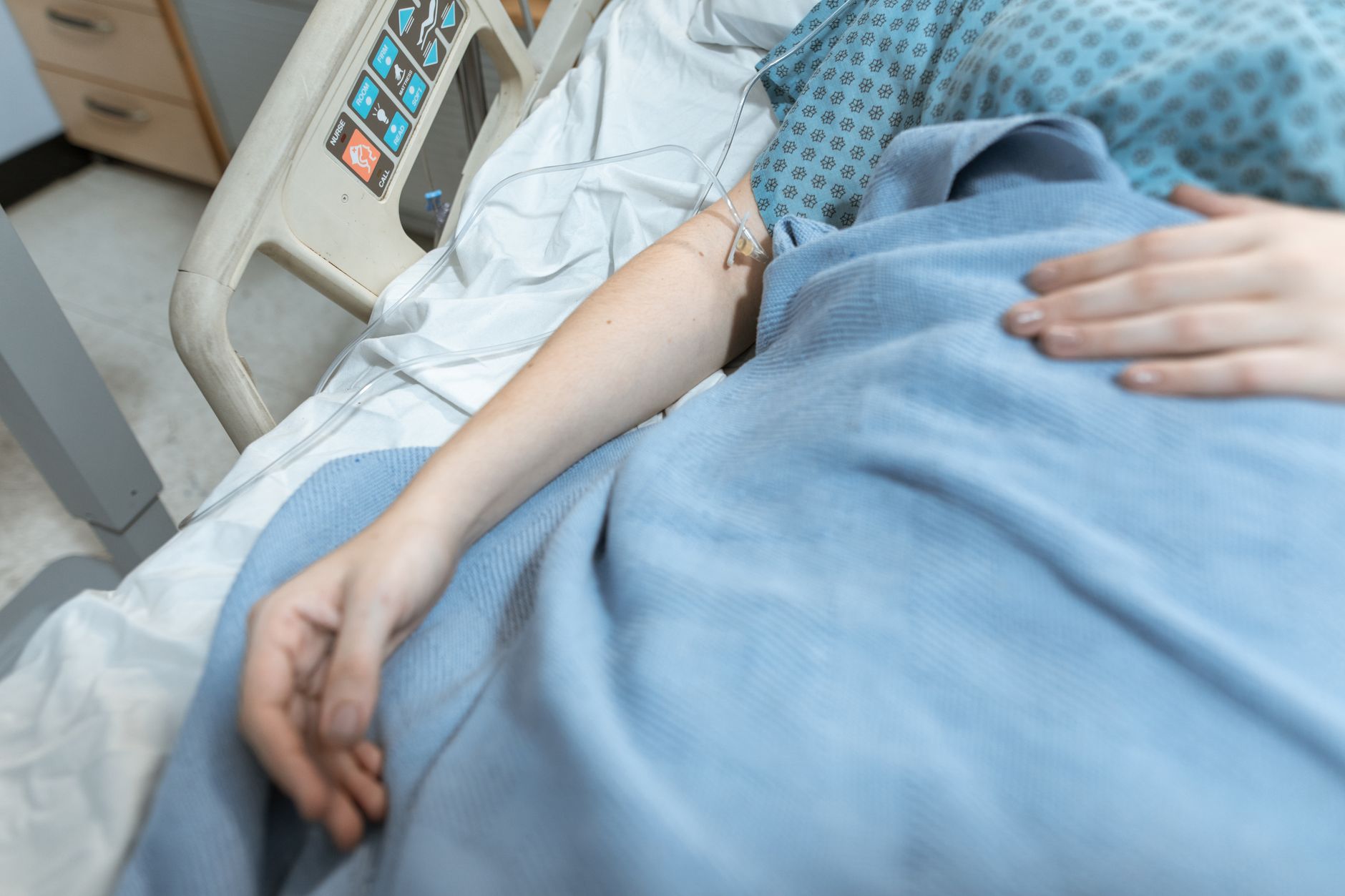
Navigating the Path to Recovery After Bile Duct Cancer Surgery Bile duct cancer surgery is a significant medical procedure, and understanding the recovery process is crucial for patients and their families in India. This guide aims to provide a clear, practical overview of what to expect after surgery, from the immediate post-operative period to returning home and long-term healing. While every individual's experience is unique, this information, drawing from medical insights, can help manage expectations and prepare for the journey ahead. The Immediate Post-Operative Phase: Hospital Stay Following bile duct cancer surgery, the initial recovery takes place within the hospital. The duration and intensity of this phase depend on the type of surgery performed and the patient's overall health. Typically, the surgery itself lasts between 3 to 5 hours. Upon waking from anesthesia, patients are usually transferred to a Post-Anesthesia Care Unit (PACU) or an Intensive Care Unit (ICU). This is a critical period where close monitoring is essential. Intensive Care and Monitoring In the PACU or ICU, healthcare professionals will closely monitor vital signs such as heart rate, blood pressure, and oxygen levels. Patients may experience grogginess or confusion as the anesthesia wears off. Nurses will be present to provide comfort, manage pain, and answer any questions. It's important to communicate any discomfort or concerns, such as nausea, to the nursing staff promptly. Lines and Tubes: Essential for Healing During this phase, various lines and tubes will be in place to support the body's healing process. These may include: Intravenous (IV) Lines: Inserted in the arms or neck, these deliver essential fluids, medications, and nutrition. They may remain in place until the patient is ready to go home. Patient-Controlled Analgesia (PCA) Line: This line, often in the arm or back, allows patients to manage their pain medication intake within prescribed limits, providing a more controlled pain relief experience until oral or other forms of pain management are effective. Surgical Drain: A tube placed in the surgical wound to drain excess bile. Depending on the procedure, this may be removed a few days after surgery or the patient might go home with it in place. Urinary Catheter: A tube to drain urine from the bladder, typically removed within 1-2 days once the patient can safely get up and use the bathroom independently. Nasogastric (NG) Tube: A tube inserted through the nose into the stomach to remove excess fluid, allowing the stomach and intestines to rest and heal. This is usually removed 1-2 days after surgery. Compression Boots: Worn on the lower legs to prevent blood clots, these will remain in place until the patient can walk independently. The removal of these lines and tubes, while necessary, can sometimes cause discomfort. Healthcare providers will manage this as smoothly as possible. Managing Pain and Discomfort Pain management is a top priority after surgery. The level of discomfort can vary based on the extent of the surgery and individual pain tolerance. Initially, a PCA may be used, followed by intravenous or oral pain medications as prescribed by the doctor. Open communication with the medical team about pain levels is vital for effective management. Diet and Nutrition During Hospital Stay Eating may be restricted for the first 1-2 days after surgery to allow the digestive system to recover. Once cleared, the diet will be gradually advanced. Healthcare professionals will carefully monitor the patient's tolerance to new foods, ensuring there is no pain, nausea, or vomiting. The progression typically involves starting with clear liquids and slowly moving to soft foods and then a regular diet as tolerated. Mobility and Physical Activity Getting out of bed and walking as soon as possible is encouraged, often within hours of surgery, though initially with assistance. As strength returns, patients will be encouraged to walk independently. This early mobility is crucial for preventing complications like blood clots and pneumonia, and for promoting overall recovery. Discharge and Recovery at Home The hospital stay for bile duct cancer surgery typically lasts about 5-7 days, though it can be longer. Before discharge, the medical team will provide detailed instructions on wound care, medication, diet, and activity levels. A follow-up appointment with the surgeon is usually scheduled for 10-14 days after leaving the hospital. Home Care and Monitoring Recovery at home can take several weeks. Patients will need to continue following their prescribed diet and medication regimen. Wound care instructions must be strictly adhered to, and any signs of infection, such as increased redness, swelling, pain, or fever, should be reported to the doctor immediately. Gradual Return to Normal Activities It is important to gradually increase physical activity as strength permits. Heavy lifting and strenuous exercise should be avoided for a specified period, as advised by the doctor. Rest is equally important, and patients should listen to their bodies, taking breaks when needed. Emotional and Mental Well-being Undergoing major surgery can take an emotional toll. It is normal to experience feelings of anxiety or fatigue. Support from family, friends, and healthcare providers is invaluable. If persistent feelings of sadness or anxiety arise, seeking professional help from a counselor or therapist is recommended. When to Consult a Doctor While recovery is a process, certain symptoms warrant immediate medical attention. Contact your doctor or seek emergency care if you experience: High fever (above 101°F or 38.3°C) Severe or worsening pain not controlled by medication Signs of infection at the surgical site (redness, swelling, pus, increased
In summary, timely diagnosis, evidence-based treatment, and prevention-focused care improve long-term health outcomes.