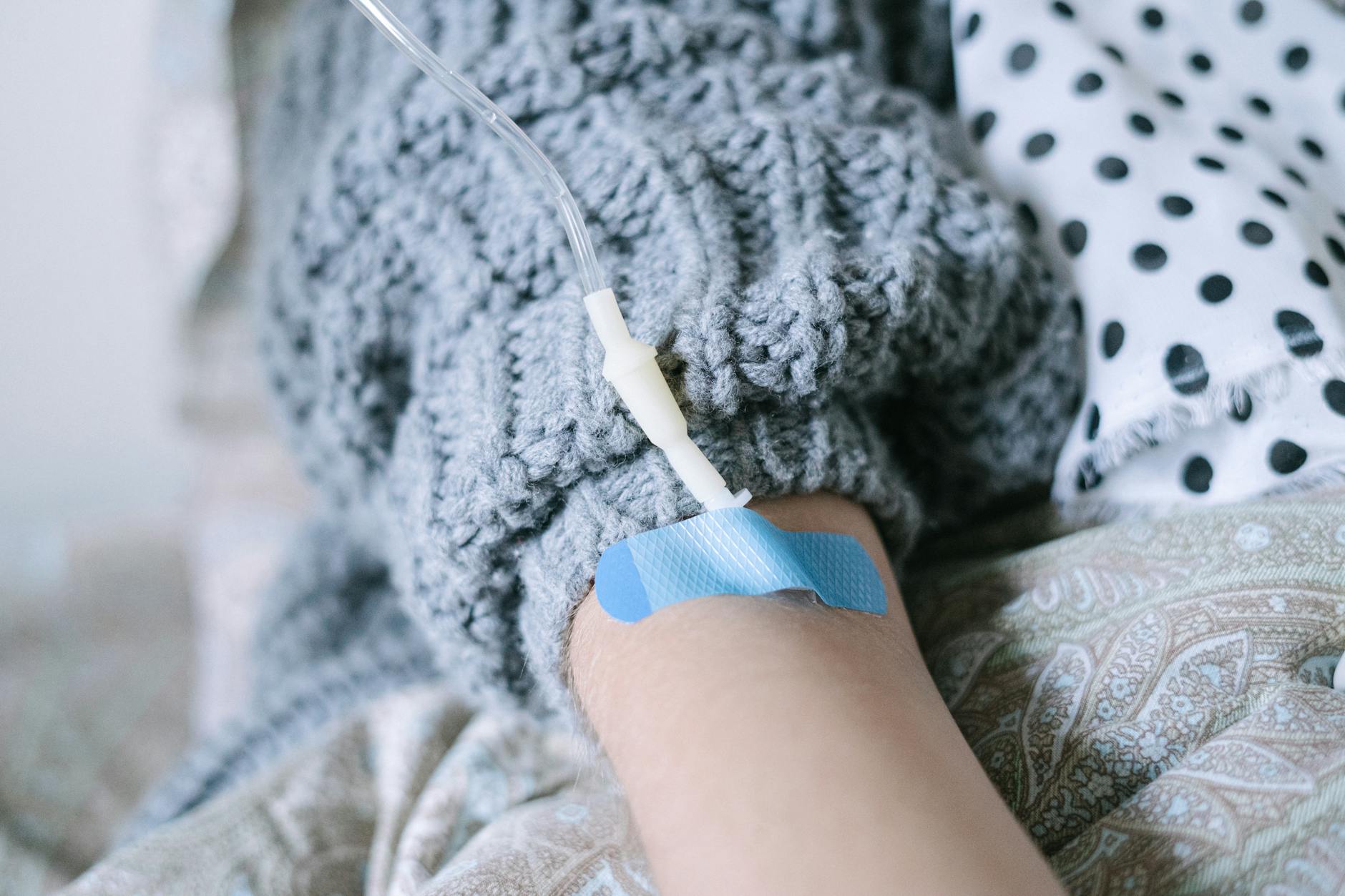
Navigating Breast Cancer Treatment: A Comprehensive Guide Receiving a breast cancer diagnosis can be an overwhelming experience, but it's crucial to remember that effective treatments are available. Your medical team will likely present you with several therapeutic options, each with its own set of benefits and potential drawbacks. Understanding these treatments is key to feeling empowered and in control of your health journey. This guide aims to provide a clear overview of common breast cancer treatment options, what to expect, and important questions to ask your doctor. Common Treatment Modalities Breast cancer treatment is highly individualized, depending on factors such as the type, location, and stage of the cancer. Often, a combination of treatments is used as part of a comprehensive care plan. The primary treatment modalities include surgery, chemotherapy, and radiation therapy. Surgery for Breast Cancer Surgery is frequently the first step in treating breast cancer. The goal is to remove the cancerous tumor and any affected surrounding tissue or lymph nodes. The type of surgery will depend on the size and stage of the tumor, as well as other factors. Lumpectomy: This procedure involves removing only the tumor and a small margin of healthy tissue around it. It is often followed by radiation therapy. Mastectomy: This involves the removal of the entire breast. There are different types of mastectomies, including simple, modified radical, and radical mastectomies, depending on the extent of tissue removal. Lymph Node Removal: Often, lymph nodes under the arm are removed to check for cancer spread. This can involve sentinel lymph node biopsy (removing a few nodes) or axillary lymph node dissection (removing more nodes). Chemotherapy: Fighting Cancer Cells with Medication Chemotherapy is a systemic treatment that uses drugs to kill cancer cells throughout the body. Not all breast cancers require chemotherapy, but your oncologist may recommend it in several situations: When there's a possibility of cancer cells remaining after surgery. If there's a high likelihood that cancer cells have spread, even if not detectable. To shrink a tumor that is too large for surgery or to enable a less invasive surgical procedure. In cases of extensive lymph node involvement. To test how cancer responds to specific drugs. For aggressive types of breast cancer. To allow time for genetic testing or other planning before surgery. When cancer has a high chance of recurrence or has metastasized (spread to other parts of the body). Chemotherapy is rarely used alone for breast cancer. It's typically part of a multidisciplinary approach, combined with surgery, radiation, or targeted therapies. In some specific cases, such as inoperable or widely metastatic breast cancer, chemotherapy might be the primary or only treatment. What to Expect During Chemotherapy Chemotherapy is usually administered in an outpatient setting by your oncology team. This can be through an intravenous (IV) injection or a catheter, delivering the drugs slowly over a period of time. Chemotherapy is given in cycles, often every 2 to 3 weeks, for up to 6 months, allowing your body time to recover between doses. The exact schedule depends on the specific drugs used and their effectiveness. Common Chemotherapy Medications Some common chemotherapy drugs used for breast cancer include: Anthracyclines (e.g., doxorubicin, daunorubicin) Taxanes (e.g., paclitaxel, docetaxel) Cyclophosphamide Methotrexate 5-Fluorouracil (5-FU) Potential Side Effects of Chemotherapy While chemotherapy is effective, it can cause side effects as it affects both cancer cells and healthy cells. Common side effects include: Nausea and vomiting Hair loss (alopecia) Fatigue Increased risk of infection (due to low white blood cell count) Mouth sores (mucositis) Changes in appetite Diarrhea or constipation Anemia (low red blood cell count) Nerve damage (neuropathy) Skin and nail changes It's important to discuss any side effects with your doctor, as many can be managed with medication and supportive care. Questions to Ask Your Oncologist About Chemotherapy To help you understand your chemotherapy treatment better, consider asking your oncologist the following questions: What is the goal of chemotherapy for my specific diagnosis? Which chemotherapy medications will be used, and why? How will chemotherapy be administered, and what is the schedule? How does chemotherapy fit into my overall treatment plan? What lifestyle changes should I consider to support my treatment? What are the signs of serious complications, and what should I do if I experience them? How will we know if the chemotherapy is working? How should I prepare for my chemotherapy sessions? What happens if the chemotherapy is not effective? Can chemotherapy be given at the same time as other breast cancer treatments? Will there be any changes to my current medications? Radiation Therapy: Using High-Energy Rays Radiation therapy uses high-energy radiation to destroy cancer cells or slow their growth. It is often used after surgery to kill any remaining cancer cells and reduce the risk of recurrence. Radiation therapy can be directed at specific areas, such as the entire affected breast, the chest wall, or the lymph nodes in the armpit area, depending on the cancer's stage and spread. What to Expect During Radiation Therapy Radiation treatments are typically given 5 days a week for up to 7 weeks in an outpatient setting. Each session is relatively short, usually lasting only a few minutes. You will lie on a treatment table while a machine delivers the radiation. The area being treated will be marked with temporary tattoos to ensure accurate targeting during each session. Potential Side Effects of Radiation Therapy Side effects of radiation therapy
In summary, timely diagnosis, evidence-based treatment, and prevention-focused care improve long-term health outcomes.