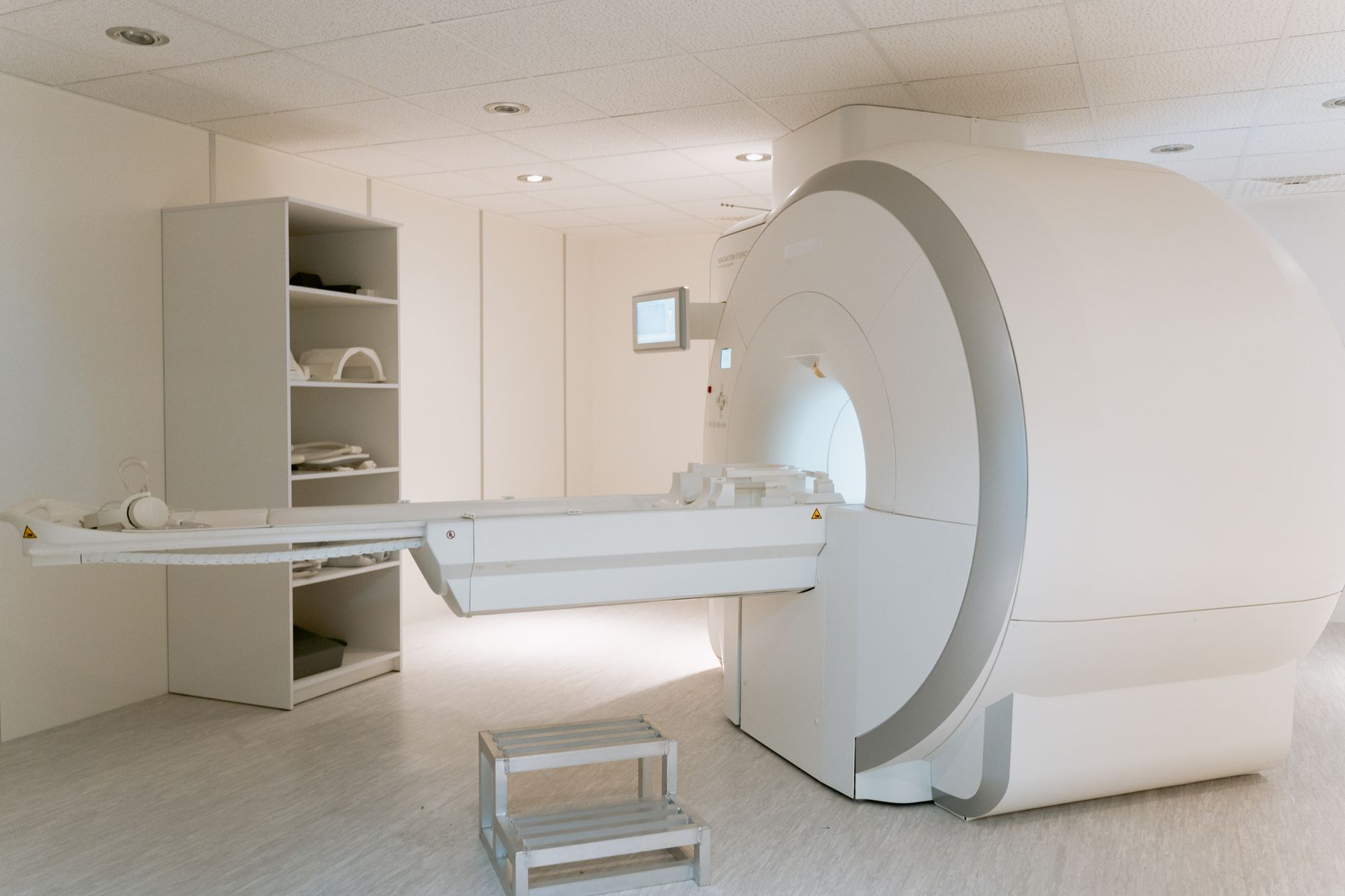
When facing a medical diagnosis, understanding your healthcare coverage can feel overwhelming. A Positron Emission Tomography (PET) scan is a sophisticated imaging tool that offers doctors valuable insights into how your body's tissues and organs are functioning. It plays a significant role in diagnosing and staging various cancers, as well as assessing certain heart and brain conditions. If your doctor has recommended a PET scan, you're likely wondering, "Will Medicare cover this?" This guide aims to clarify Medicare's coverage for PET scans, what you can expect to pay, and how to navigate the process as an Indian reader within the Indian healthcare context, while drawing parallels to understanding insurance for advanced diagnostics.
What is a PET Scan and Why is it Used?
A PET scan, or positron emission tomography scan, is a type of medical imaging that uses a small amount of radioactive material (a tracer) injected into your body. This tracer travels through your bloodstream and accumulates in specific areas where it can be detected by the PET scanner. The scanner then creates detailed images showing how your tissues and organs are working at a cellular level. Doctors use PET scans to:
- Diagnose cancer and determine if it has spread (staged).
- Assess the effectiveness of cancer treatment.
- Detect recurrence of cancer.
- Evaluate blood flow to the heart.
- Diagnose certain brain disorders, such as Alzheimer's disease and epilepsy.
The information from a PET scan is often combined with other imaging tests, like CT or MRI scans, to provide a more comprehensive picture.
Medicare Coverage for PET Scans: What You Need to Know
Medicare, the U.S. federal health insurance program, covers a wide range of medical services. For PET scans, coverage generally depends on whether the scan is considered medically necessary by your doctor and where the scan is performed. In the U.S. context, Medicare Part B is the primary payer for outpatient services, including diagnostic tests like PET scans when ordered by a physician.
Key Points for Medicare Coverage (U.S. context):
- Medically Necessary: The scan must be ordered by a doctor and deemed medically necessary for diagnosing or treating a specific condition.
- Outpatient vs. Inpatient: If you have a PET scan as an outpatient (meaning you don't stay overnight in the hospital), Medicare Part B typically covers it. If you are admitted to the hospital and have the PET scan during your stay, Medicare Part A may cover it as part of your inpatient care.
- Medicare Advantage (Part C): If you have a Medicare Advantage plan, your coverage for PET scans will be similar to Original Medicare, but your out-of-pocket costs might differ based on your specific plan benefits.
Understanding Costs with Medicare (U.S. Context)
The cost of a PET scan can vary significantly. With Medicare, your out-of-pocket expenses will depend on several factors:
- Deductibles: You'll need to meet your annual Part B deductible before Medicare starts paying its share. For 2024, this deductible is $240 for most individuals.
- Coinsurance: After meeting your deductible, Medicare Part B typically covers 80% of the Medicare-approved amount for the PET scan. You will be responsible for the remaining 20% coinsurance. For instance, if a PET scan costs $5,000 and the Medicare-approved amount is the same, after paying your $240 deductible, you would pay $1,000 (20% of $5,000), and Medicare would pay $4,000.
- Facility Fees: Costs can also differ based on where the scan is performed. Scans done in a hospital outpatient department may have different charges than those done in a dedicated outpatient medical center.
Applying the Principles to the Indian Healthcare System
While Medicare is a U.S. system, the principles of understanding diagnostic test coverage are relevant globally, including in India. In India, healthcare is a mix of public and private services, with private health insurance playing a significant role for many. Here's how the concepts translate:
Health Insurance in India
Many Indian citizens have private health insurance policies. These policies work similarly to Medicare in that they cover certain medical procedures, including advanced diagnostics like PET scans, provided they are deemed medically necessary and are part of the covered benefits in your policy document. Public healthcare through government hospitals also exists, offering services at subsidized rates or free of charge, but often with longer waiting times.
What to Expect with Your Indian Health Insurance
If your doctor in India recommends a PET scan, the first step is to contact your insurance provider. You'll need to understand:
- Policy Coverage: Does your policy explicitly cover diagnostic imaging like PET scans?
- Pre-authorization: Most insurance companies require pre-authorization for high-value procedures. You'll need to submit your doctor's prescription and medical reports for approval.
- Network Hospitals: Is the hospital where you'll have the scan part of your insurance provider's network? This often simplifies the claim process and may offer cashless treatment.
- Co-payment/Deductibles: Similar to Medicare's coinsurance, your policy might have a co-payment clause, meaning you'll pay a percentage of the bill, or a deductible amount that you must pay first.
- Coverage Limits: Be aware of any annual or per-illness limits on your coverage.
Scenario: Needing a PET Scan for Cancer Diagnosis
Imagine Mrs. Sharma, a 55-year-old homemaker, who has been experiencing persistent fatigue and unexplained weight loss. Her doctor suspects a serious condition and recommends a PET scan for a more accurate diagnosis. Her family quickly calls their insurance agent to confirm if the PET scan is covered and what paperwork is needed before she undergoes the procedure at a private hospital.
When is a PET Scan Medically Necessary?
Doctors typically recommend PET scans when other diagnostic methods are insufficient to provide a clear diagnosis or treatment plan. Common reasons include:
- Cancer Diagnosis and Staging: Detecting the presence of cancer, determining its extent, and identifying if it has spread to other parts of the body.
- Treatment Monitoring: Assessing how well a cancer treatment is working.
- Recurrence Detection: Checking if cancer has returned after treatment.
- Heart Conditions: Evaluating blood flow to the heart muscle, especially after a heart attack, or assessing coronary artery disease.
- Brain Disorders: Diagnosing conditions like Alzheimer's disease, Parkinson's disease, and epilepsy, and understanding brain activity.
Other Imaging Tests Covered
Just as Medicare covers other imaging tests, Indian health insurance policies also typically cover a range of diagnostic imaging procedures when medically necessary. These often include:
- Magnetic Resonance Imaging (MRI) scans
- Computed Tomography (CT) scans
- X-rays
- Ultrasound
Always check your specific policy document or speak with your insurer to confirm coverage details for each type of test.
How to Find Facilities and Doctors
If you have health insurance, your provider can often direct you to hospitals and diagnostic centers within their network. These facilities are accustomed to handling insurance claims, making the process smoother. Additionally, your doctor can recommend reputable diagnostic centers known for their expertise and quality of care.
When to Consult a Doctor
You should consult a doctor if you experience any persistent or unusual symptoms that concern you. This includes:
- Unexplained weight loss
- Persistent fatigue
- Changes in bowel or bladder habits
- A lump or thickening that can be felt
- Difficulty swallowing or persistent indigestion
- A sore that does not heal
- Unusual bleeding or discharge
- Nagging cough or hoarseness
- Changes in a mole or skin lesion
If your doctor suggests a PET scan, it's because they believe it's the best way to understand your health condition. Don't hesitate to ask them questions about why the scan is needed, what it involves, and what the expected outcomes are.
Frequently Asked Questions (FAQ)
Q1: What is the difference between a PET scan and a CT scan?
A PET scan shows how your body's tissues and organs are working at a cellular level by tracking the movement of a radioactive tracer. A CT scan, on the other hand, uses X-rays to create detailed cross-sectional images of your body, providing anatomical information.
Q2: Are there any side effects from a PET scan?
The radioactive tracer used in a PET scan is generally safe and is eliminated from your body within a few hours. The main side effect might be a mild allergic reaction to the tracer, which is rare. The injection site may also be slightly sore.
Q3: How long does a PET scan take?
The PET scan procedure itself usually takes about 30 to 60 minutes. However, you'll need to arrive earlier for the injection of the tracer and to allow it to circulate through your body, so plan for a total appointment time of 2 to 3 hours.
Q4: Can I eat or drink before a PET scan?
Generally, you'll be asked to fast for 4-6 hours before the scan, meaning no food or drink except water. Your doctor or the imaging center will provide specific instructions regarding dietary restrictions.
Understanding your diagnostic options and their coverage is a vital part of managing your health. Always refer to your insurance policy documents and consult with your healthcare provider and insurance company for personalized information.