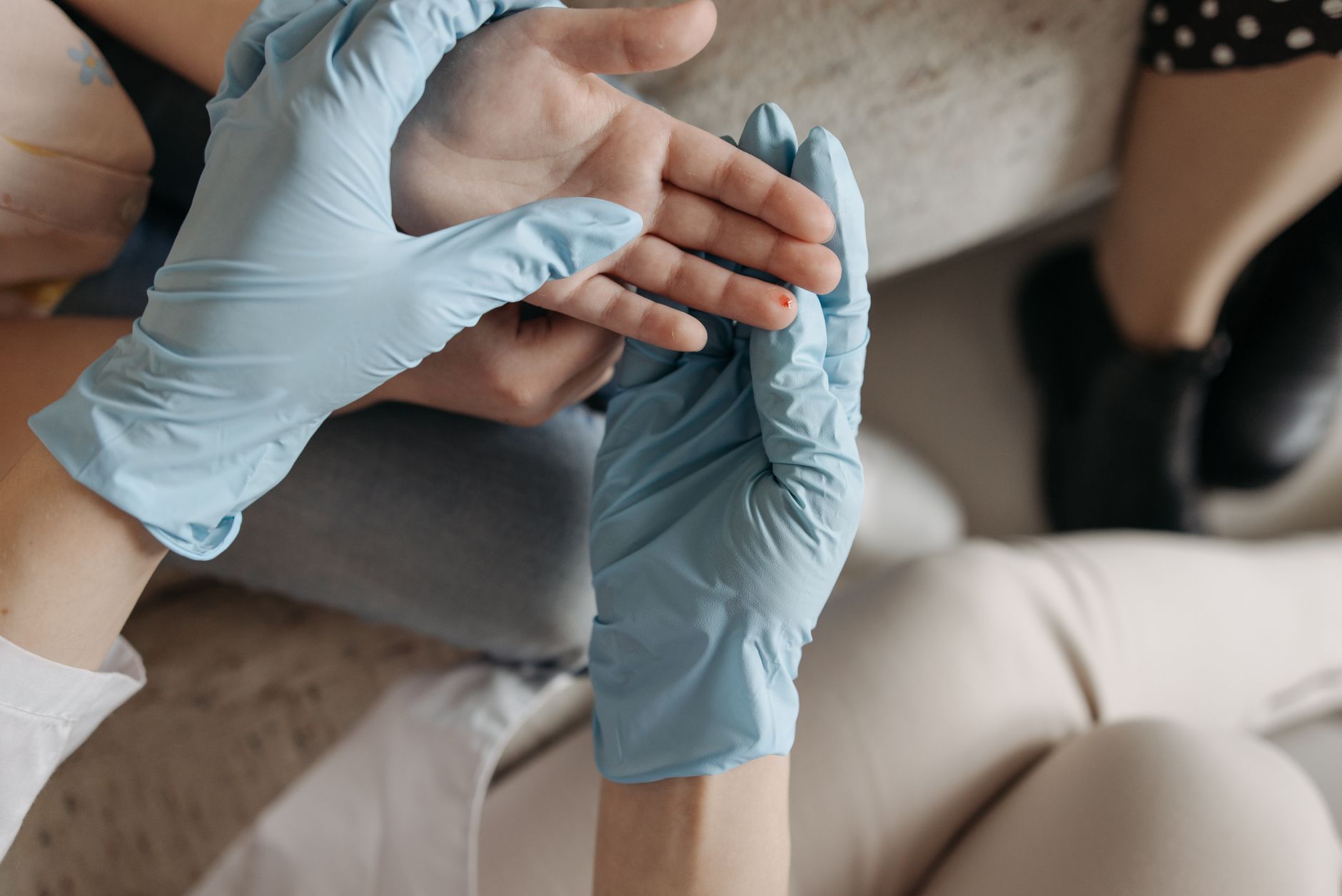
Understanding Accidental Needle Stick Injuries
An accidental needle stick injury, often referred to as a "sharps injury," occurs when a needle or other sharp medical instrument accidentally punctures the skin. While most common in healthcare settings, these incidents can happen anywhere. The immediate concern following such an injury is the potential transmission of blood-borne pathogens, such as Hepatitis B, Hepatitis C, and HIV. Understanding the risks, proper first aid, and follow-up protocols is crucial for minimizing potential harm.
Immediate First Aid for Needle Stick Injuries
The Centers for Disease Control and Prevention (CDC) recommends a clear protocol for immediate action after a needle stick injury:
- Wash the wound thoroughly: Immediately wash the puncture site with soap and running water. This is the most critical first step in reducing the risk of infection.
- Clean surrounding areas: If water splashes onto your nose, mouth, or any other skin area during the cleaning process, wash those areas thoroughly as well.
- Rinse eyes if exposed: If water splashes into your eyes, rinse them gently with saline solution or clean water using clean hands.
Reporting and Medical Follow-Up
In a healthcare or workplace setting, reporting the incident promptly is essential:
- Notify a supervisor: Inform your supervisor or the designated safety officer immediately. This ensures that proper procedures are followed and documented.
- Identify the source: If possible and safe to do so, try to identify the source of the needle or instrument. In a medical setting, it may be important to know the health status and vaccination history of the person whose blood was involved.
- Consider preventive medication: Your employer or healthcare provider may recommend or require post-exposure prophylaxis (PEP) for HIV and vaccination for Hepatitis B. These medications can significantly reduce the risk of infection if taken promptly.
Diseases Transmitted Through Needle Stick Injuries
Needle stick injuries create a direct pathway for blood-borne pathogens to enter the body. The primary concerns include:
- Hepatitis B (HBV): This virus affects the liver. The risk of infection from a contaminated needle is estimated to be between 6% and 30%. However, widespread Hepatitis B vaccination in healthcare settings often mitigates this risk for healthcare workers.
- Hepatitis C (HCV): This is another liver infection. The risk of contracting Hepatitis C from a needlestick injury is approximately 1.8%.
- Human Immunodeficiency Virus (HIV): This virus attacks the immune system. The risk of HIV transmission from a needlestick injury is relatively low, estimated at about 0.3%.
Understanding the Risks and Probabilities
While the potential for serious infection exists, it's important to understand the actual probabilities:
- The risk of contracting a blood-borne illness from a needlestick injury is generally considered low.
- The specific risk depends heavily on the type of pathogen contaminating the needle and the concentration of the virus in the blood.
- Healthcare workers are at the highest risk due to the frequency of exposure, but adherence to safety protocols has significantly reduced incident rates.
Diagnostic Testing After Exposure
Following a potential exposure, medical professionals will recommend a testing schedule to monitor for infection. The exact tests and timing can vary based on the specific injury and the source individual's health status, but commonly include:
- Hepatitis B Testing: Typically administered 1–2 months after exposure.
- Hepatitis C Testing: Usually done 4–6 months after exposure, though earlier testing can be arranged if desired.
- HIV Testing: Often conducted at 6 weeks, 3 months, and sometimes 6 months post-exposure.
It is vital to adhere to the recommended testing schedule to ensure accurate results and timely intervention if necessary.
Prevention Strategies for Needle Stick Injuries
Preventing these injuries is paramount, especially in healthcare environments. Key strategies include:
- Safe Needle Handling: Always use safety-engineered needles and devices designed to minimize exposure. Never recap needles.
- Proper Disposal: Dispose of used needles and sharps immediately in designated puncture-resistant sharps containers.
- Awareness and Training: Regular training on safe injection practices and sharps injury prevention is essential for all healthcare personnel.
- Workplace Protocols: Adhere strictly to established workplace safety protocols and guidelines for handling and disposing of sharps.
- Personal Protective Equipment (PPE): Use appropriate PPE, such as gloves, when handling needles or potentially contaminated materials.
When to Consult a Doctor
You should always consult a doctor or seek immediate medical attention if you experience a needle stick injury. This is crucial for:
- Prompt wound assessment and cleaning.
- Determining the need for tetanus shots or other vaccinations.
- Assessing the risk of blood-borne infections.
- Initiating post-exposure prophylaxis (PEP) if indicated.
- Establishing a follow-up testing schedule.
Frequently Asked Questions (FAQ)
What is the most common cause of needle stick injuries?
The most common cause is accidental puncture during or after medical procedures, such as drawing blood, administering injections, or during surgery. Improper disposal of sharps also contributes significantly.
How long does it take to know if I've contracted a disease from a needle stick?
The incubation periods vary. For Hepatitis B, testing is usually done 1-2 months after exposure. For Hepatitis C, it's typically 4-6 months. For HIV, initial tests can be done around 6 weeks, with follow-ups at 3 and 6 months.
Can a needle stick injury be fatal?
While a needle stick injury itself is not fatal, the transmitted diseases like HIV or advanced Hepatitis can be life-threatening if left untreated. However, the risk of transmission from a single injury is low, and prompt medical intervention significantly reduces these risks.
What should I do if I find a needle on the ground?
Do not touch it. If you must move it, use a tool like a broom or shovel. Report its location to the relevant authorities, such as building management or local sanitation services, so it can be safely removed.
Is Hepatitis B vaccination always effective?
Hepatitis B vaccination is highly effective for most people, providing long-term protection. However, a small percentage of individuals may not develop full immunity. Your doctor can perform a blood test to check your immunity levels if needed.
Additional Medical Guidance
This section adds practical context and preventive advice to help readers make informed healthcare decisions. It is important to verify symptoms early, consult qualified doctors, and avoid self-medication for persistent health issues.
Maintaining healthy routines, following prescribed treatment plans, and attending regular checkups can improve outcomes. If symptoms worsen or red-flag signs appear, immediate medical evaluation is recommended.
Quick Checklist
Track symptoms and duration.
Follow diagnosis and treatment from a licensed practitioner.
Review medication side effects with your doctor.
Seek urgent care for severe warning signs.