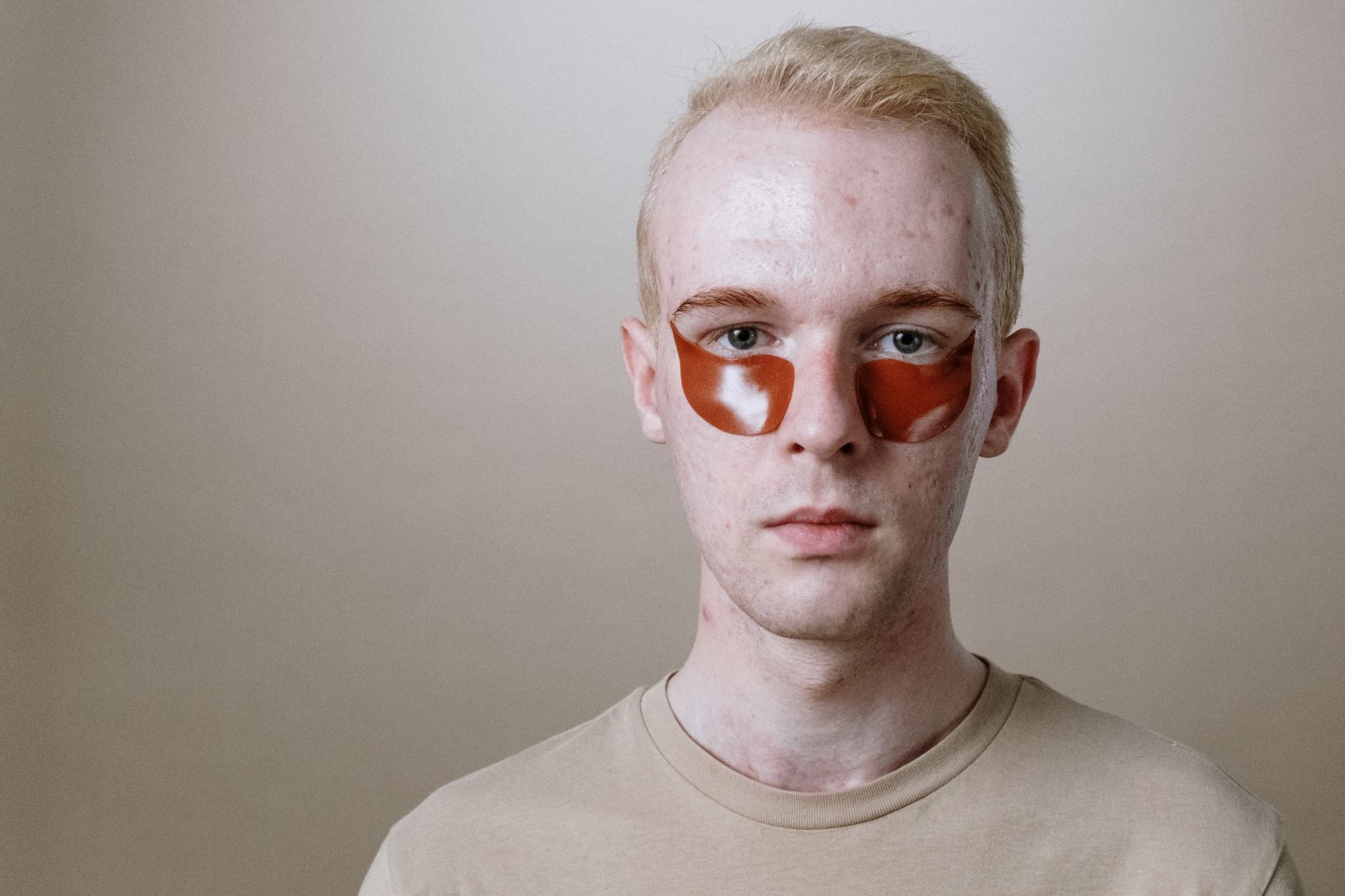
Understanding the Difference Between Acne Inversa and Acne Vulgaris Acne is a common skin condition that affects millions of people, particularly adolescents, but it can persist into adulthood. While many people are familiar with the typical pimples and blackheads associated with acne vulgaris, there's another, less common, and often more severe form known as acne inversa. Although the names sound similar, these two conditions are distinct, with different causes, symptoms, locations, and treatment approaches. Understanding these differences is crucial for proper diagnosis and effective management. What is Acne Vulgaris? Acne vulgaris is the most common form of acne, often referred to simply as 'acne'. It typically begins after puberty and is characterized by blemishes on the face, chest, and back. This condition arises from the pilosebaceous unit, which includes hair follicles and their associated sebaceous (oil) glands. The primary culprits are an overproduction of sebum (skin oil), clogged hair follicles, the presence of bacteria (Cutibacterium acnes), and inflammation. Symptoms of Acne Vulgaris: Comedones: These are non-inflammatory lesions, including blackheads (open comedones) and whiteheads (closed comedones). Papules: Small, red, raised bumps that are inflamed. Pustules: Papules with a white or yellow center, commonly known as pimples. Nodules: Larger, painful, solid lumps that form deep within the skin. Cysts: Deep, painful, pus-filled lumps that can lead to scarring. Causes of Acne Vulgaris: The main cause of acne vulgaris is the oversensitivity of sebaceous glands to androgens (male hormones), which are present in both men and women. This leads to increased sebum production. Other contributing factors include: Hormonal fluctuations: Especially during puberty, menstruation, pregnancy, and menopause. Genetics: A family history of acne can increase your risk. Certain medications: Such as corticosteroids, testosterone, or lithium. Diet: Some studies suggest a link between high glycemic index foods and dairy products and acne severity, though this is still debated. Stress: Can exacerbate acne in some individuals. What is Acne Inversa (Hidradenitis Suppurativa)? Acne inversa, also known as hidradenitis suppurativa (HS), is a chronic inflammatory skin condition that is fundamentally different from acne vulgaris. It primarily affects areas of the body with apocrine sweat glands, such as the armpits, groin, buttocks, and under the breasts. Unlike acne vulgaris, HS involves deeper layers of the skin and is characterized by painful nodules, abscesses, and sinus tracts. Symptoms of Acne Inversa: Painful nodules: Deep, inflamed lumps that can be very tender. Abscesses: Swollen, pus-filled areas that may rupture and drain. Sinus tracts and fistulas: Channels that form under the skin, connecting abscesses and leading to persistent drainage. Scarring: Over time, HS can lead to significant scarring, including hypertrophic (raised) scars. Recurrence: Lesions often heal and then reappear, leading to a chronic and relapsing course. Causes of Acne Inversa: The exact cause of acne inversa is not fully understood, but it is believed to involve a combination of genetic, hormonal, and immune system factors. It is not caused by bacteria or clogged pores in the same way as acne vulgaris. Key factors include: Follicular occlusion: Blockage of the hair follicles. Immune system response: An abnormal inflammatory response in the skin. Genetics: A family history of HS increases the risk. Hormones: It often begins after puberty and can be influenced by hormonal changes, particularly in women. Lifestyle factors: Smoking and obesity are known to worsen HS. Key Differences Between Acne Vulgaris and Acne Inversa While both conditions involve skin lesions, their differences are significant: Location: Acne vulgaris typically affects the face, chest, and back. Acne inversa primarily occurs in the armpits, groin, buttocks, and under the breasts. Nature of Lesions: Acne vulgaris presents with comedones, papules, pustules, and sometimes nodules. Acne inversa is characterized by deep, painful nodules, abscesses, and sinus tracts. Depth of Involvement: Acne vulgaris mainly affects the pilosebaceous units closer to the skin surface. Acne inversa involves deeper skin structures and subcutaneous tissue. Age of Onset: Acne vulgaris usually starts in adolescence. Acne inversa typically begins in early adulthood (late teens to early 30s). Severity and Progression: Acne vulgaris can range from mild to severe but often improves with age. Acne inversa is a chronic, progressive condition that can lead to significant pain, disfigurement, and reduced quality of life if not managed effectively. Treatment: Acne vulgaris is often treated with topical medications, oral antibiotics, or hormonal therapies. Acne inversa requires more aggressive treatments, including long-term antibiotics, immunosuppressants, and sometimes surgery. Diagnosis Diagnosing acne vulgaris is usually straightforward based on the appearance and location of the lesions. A doctor may also consider factors like age, medical history, and family history. Diagnosing acne inversa (HS) can be more challenging, as it is often misdiagnosed as common acne, boils, or other skin infections. A dermatologist will typically diagnose HS based on a thorough medical history, physical examination of the characteristic lesions and their locations, and the chronicity of the condition. Imaging studies or biopsies are rarely needed but may be used in complex cases. Treatment Approaches Acne Vulgaris Treatment: Topical treatments: Retinoids, benzoyl peroxide, salicylic acid, topical antibiotics. Oral medications: Antibiotics, hormonal therapies (birth control pills for women), isotretinoin (for severe cases). Procedures: Chemical peels, light therapy. Acne Inversa Treatment: Medications: Long-term antibiotics, anti-inflammatory drugs, hormonal therapies, biologics (e.g., adalimumab). Surgery: Incision and drainage of abscesses, surgical removal of affected skin areas (wide excision) for severe or recurrent cases. Lifestyle modifications: Smoking cessation, weight management. Prevention and Management While acne vulgaris cannot always be prevented, good skincare practices can help manage
In summary, timely diagnosis, evidence-based treatment, and prevention-focused care improve long-term health outcomes.