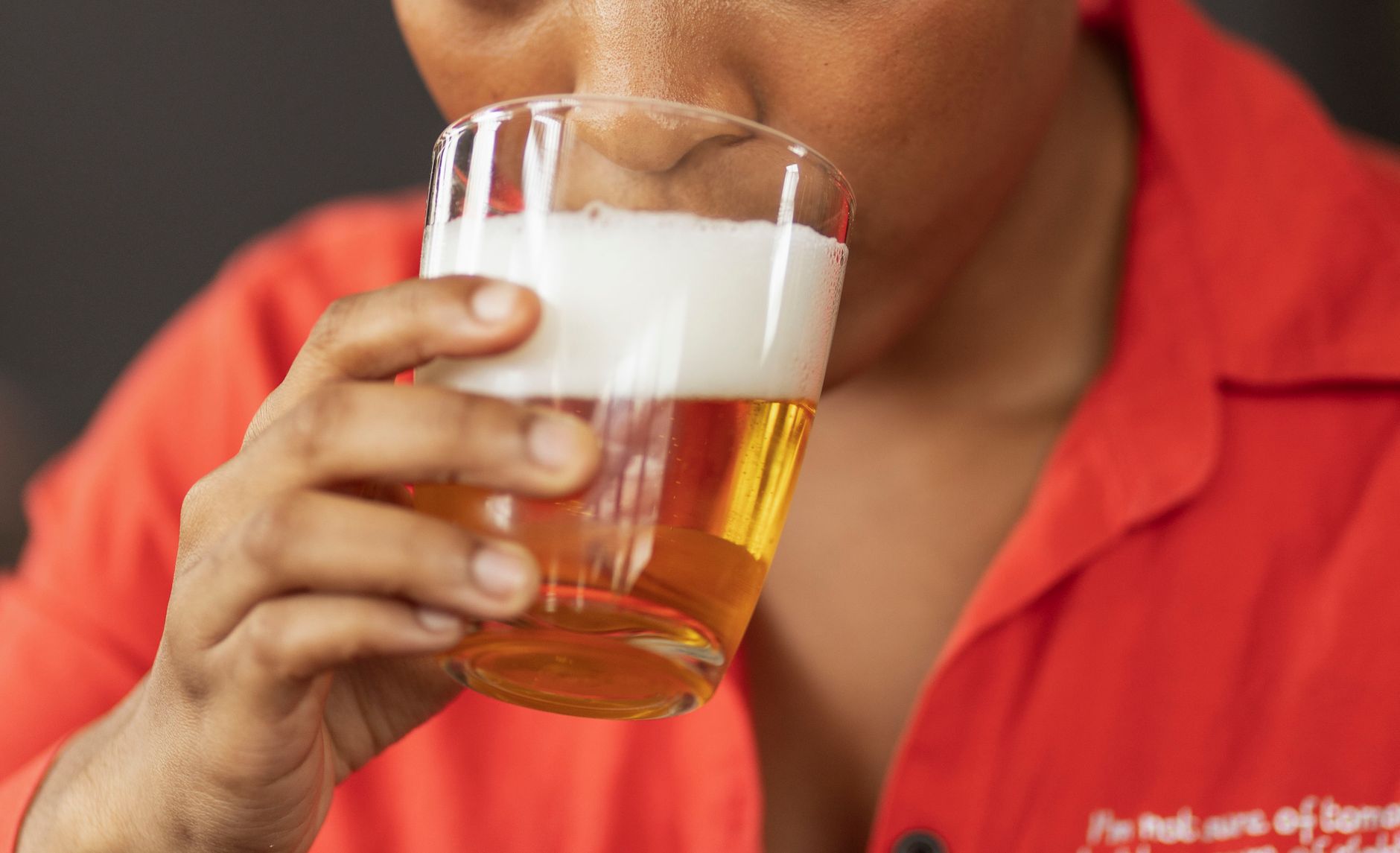
Undergoing surgery is a significant event, and your body needs to be in the best possible condition to handle the stress, anesthesia, and recovery process. One factor that can dramatically increase surgical risks is consuming alcohol before your procedure. While a drink might seem harmless, especially if you're feeling anxious, the truth is that alcohol can interfere with essential bodily functions and lead to serious, even life-threatening, complications. It's not just about heavy drinkers; even a single alcoholic beverage before surgery can spell trouble.
Why is Alcohol Before Surgery So Risky?
Your body works hard to prepare for surgery, and alcohol throws a significant wrench into that preparation. It affects multiple systems, including your cardiovascular, respiratory, and immune functions, all of which are critical during and after surgery. Anesthesia itself is a powerful tool that suppresses vital functions like breathing and heart rate, and alcohol amplifies these effects, making it harder for the anesthesiologist to manage your care safely.
Impact on Anesthesia
General anesthesia involves carefully administered drugs that put you to sleep and manage pain and reflexes. Alcohol also depresses the central nervous system. When you combine alcohol with anesthetic drugs, the effects can be unpredictable and dangerous. Your liver has to metabolize both the alcohol and the anesthetic, which can overwhelm it. This can lead to a longer recovery from anesthesia and an increased risk of nausea and vomiting. If you vomit and inhale it, a condition known as aspiration, it can lead to severe lung infections and can even be fatal.
Anesthesiologists need to know about any alcohol consumption to adjust anesthesia dosages safely. If alcohol is present, they might need to increase the dose to achieve the desired effect, which can heighten the risk of heart problems, especially if you have a pre-existing heart condition. Conversely, sometimes alcohol can make anesthesia less effective, leading to awareness during surgery, which is a deeply distressing experience.
Bleeding and Clotting Issues
Surgery inevitably involves some blood loss. Your body naturally forms clots to stop bleeding. Alcohol, however, thins your blood. This means that if you've had alcohol, your body's ability to clot effectively is impaired. This can lead to excessive bleeding during the operation, potentially requiring blood transfusions and prolonging your surgery. The risk is even higher if you are already taking blood-thinning medications or have a bleeding disorder like hemophilia.
Increased Risk of Infection
Alcohol can suppress your immune system, making you more vulnerable to infections. After surgery, your body is already dealing with the trauma of the operation and is at a higher risk for surgical site infections, respiratory infections, or urinary tract infections. When combined with alcohol's weakening effect on immunity, the chances of developing a serious infection, which could potentially lead to sepsis or septic shock, increase significantly.
Delayed Healing and Recovery
The complications mentioned above – increased bleeding, infection, and the need for more anesthesia – all contribute to a longer and more difficult recovery. Alcohol can also directly impair wound healing. Furthermore, if alcohol has caused damage to your liver, pancreas, or nervous system, your body's ability to repair itself after surgery is further compromised. Patients who drink alcohol before surgery often experience longer hospital stays and require more intensive care.
Cognitive and Mood Effects
Alcohol can affect your brain function. After surgery, patients are already at risk for delirium or acute confusion, especially when recovering from anesthesia. Alcohol consumption can significantly increase this risk. It can also exacerbate feelings of anxiety or depression, which are common during the stressful period of surgery and recovery.
How Much Alcohol is Too Much?
The most important message here is that any amount of alcohol can be risky before surgery. Even a single drink the night before can have negative consequences. For chronic heavy drinkers, the risks are amplified, and they may even experience withdrawal symptoms if they stop drinking suddenly before surgery, which can be dangerous in itself and requires careful medical management.
When Should You Stop Drinking Alcohol?
Medical professionals strongly advise abstaining from alcohol for at least 48 hours before surgery. However, stopping a week or even two weeks prior is even better. This allows your body sufficient time to clear the alcohol from your system and for your liver and other organs to begin recovering their normal function. The longer you abstain, the lower your risks.
Scenario: Imagine Ravi, a busy professional, scheduled for an appendectomy. He had a couple of drinks with friends the evening before his morning surgery, thinking it wouldn't make a difference. During surgery, he experienced unexpected bleeding, and his recovery was slower than anticipated, with a significant amount of nausea. His doctors later explained how the alcohol likely contributed to these issues.
Communicating with Your Doctor
Honesty is paramount when talking to your healthcare team, especially your surgeon and anesthesiologist. They need to know your alcohol consumption habits to plan your surgery and anesthesia safely. Don't be embarrassed or afraid to share this information. They are there to help you, and knowing your alcohol intake allows them to anticipate potential problems and take necessary precautions.
Be prepared to answer questions about:
- How often you drink alcohol.
- How much you typically drink in one sitting.
- When your last drink was.
- Whether you have ever experienced alcohol withdrawal symptoms.
If you have an alcohol use disorder, it's vital to discuss this with your doctor well in advance of your surgery. They can help you manage withdrawal symptoms safely and optimize your health before the procedure.
What About Post-Surgery Drinking?
Just as it's important to avoid alcohol before surgery, it's also crucial to follow your doctor's advice regarding alcohol consumption after surgery. Alcohol can interfere with pain medications, increase the risk of bleeding and infection, and slow down your healing process. Your doctor will provide specific guidance on when it's safe to resume drinking.
Key Takeaways for a Safer Surgery
The message is clear: avoid alcohol entirely before surgery. The risks far outweigh any perceived benefits of having a drink to relax.
- Stop drinking at least 48 hours before surgery. Aim for longer if possible.
- Be completely honest with your doctor about your alcohol consumption.
- Follow all pre-operative instructions from your healthcare team.
Your health and safety are the top priorities. By making informed choices and communicating openly with your medical team, you can significantly reduce the risks associated with surgery and ensure a smoother, safer recovery.
Frequently Asked Questions (FAQs)
Q1: Can I have just one drink the night before surgery?
A: It is strongly advised not to have any alcohol, even one drink, the night before surgery. Alcohol can still affect your body's response to anesthesia and increase the risk of complications like bleeding and nausea. It's best to abstain for at least 48 hours prior.
Q2: What if I'm a heavy drinker and worried about withdrawal?
A: If you are a heavy drinker, suddenly stopping alcohol can lead to dangerous withdrawal symptoms. You must inform your surgeon and anesthesiologist about your drinking habits well in advance. They can create a plan to manage withdrawal safely, potentially including medication, to ensure your well-being before surgery.
Q3: Does alcohol affect all surgeries equally?
A: While alcohol poses risks for all surgeries, the impact can be more significant for procedures involving general anesthesia, extensive bleeding, or those that place a high demand on the heart and lungs. However, it's safest to assume that alcohol poses a risk for any surgical procedure.
Q4: How long does alcohol stay in my system?
A: The time alcohol stays in your system varies depending on factors like the amount consumed, your metabolism, body weight, and gender. However, its effects on blood thinning, liver function, and anesthesia interactions can persist longer than just the time it takes to feel sober. This is why a minimum of 48 hours of abstinence is recommended.