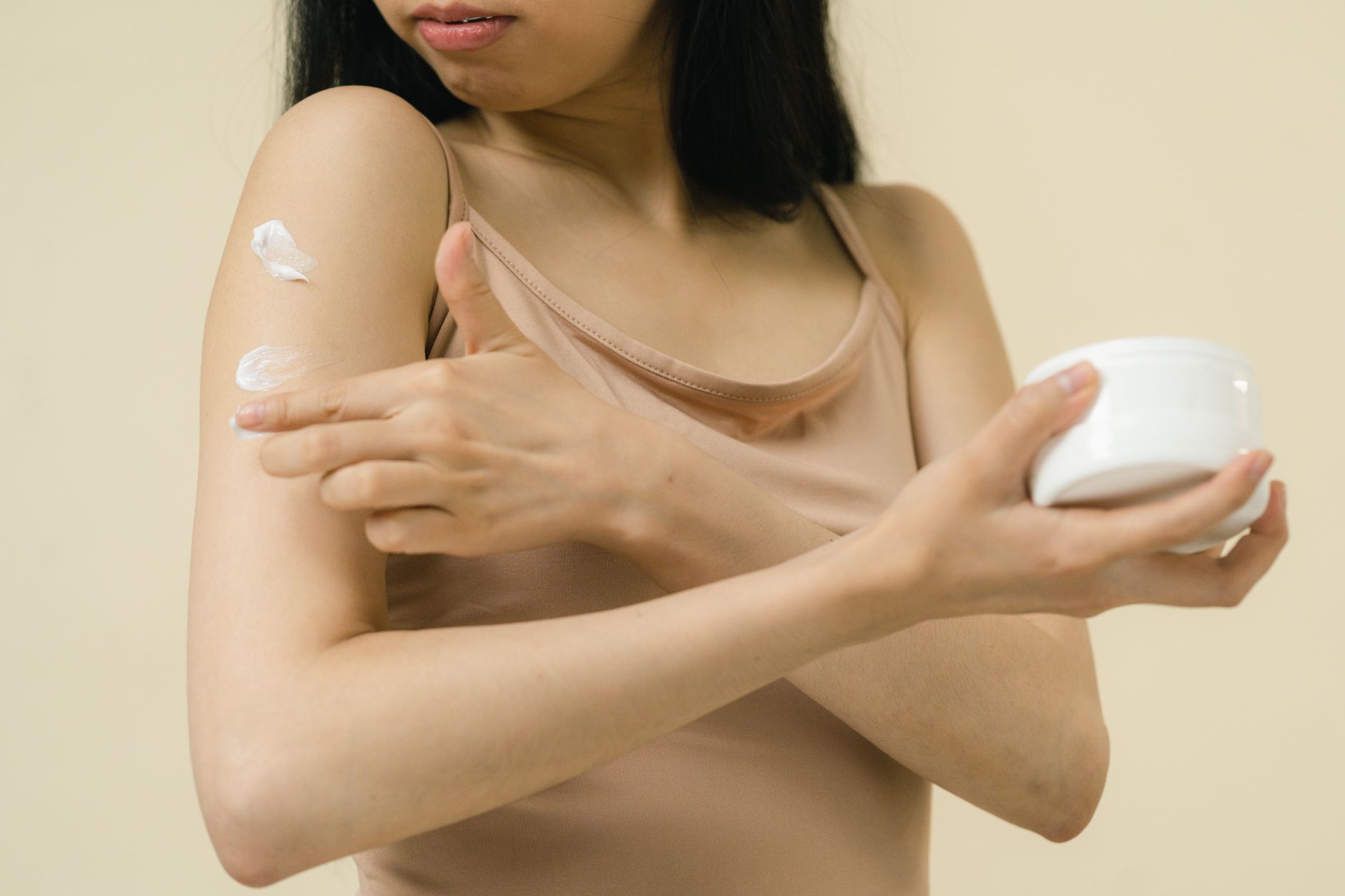
In the realm of skin care, two names often pop up when you're looking for effective, affordable moisturizers and wound healers: Aquaphor and Vaseline. Both are petroleum jelly-based products and have earned a loyal following for their ability to protect and soothe dry, irritated, or damaged skin. But are they interchangeable? Do they offer the same benefits? Let's dive into a detailed comparison of Aquaphor and Vaseline, looking closely at their ingredients, uses, benefits, and when you might choose one over the other.
Understanding the Core Ingredients: Petrolatum is Key
At the heart of both Aquaphor and Vaseline lies petrolatum, commonly known as petroleum jelly. This ingredient is a marvel in skin care. It forms a thick, protective barrier on the skin's surface. This barrier is exceptionally good at preventing transepidermal water loss (TEWL), essentially locking in moisture. For anyone dealing with dry skin, chapped lips, or minor cuts and burns, this occlusive property is a game-changer. It doesn't just moisturize; it actively helps your skin retain its natural hydration.
However, the similarity doesn't end with petrolatum. While Vaseline Original Petroleum Jelly is a remarkable 100% pure petrolatum product, Aquaphor Healing Ointment takes a slightly different approach.
What's Inside Aquaphor? A Blend for Enhanced Healing
Aquaphor Healing Ointment is a multi-component product. While it contains approximately 41% petrolatum, it also boasts a unique blend of other beneficial ingredients:
- Panthenol (Pro-vitamin B5): This is a fantastic humectant, meaning it attracts water to the skin. It also helps improve skin hydration, smoothness, and elasticity.
- Mineral Oil: Another emollient that helps to soften and smooth the skin, contributing to the overall moisturizing effect.
- Ceresin: A mineral wax derived from shale oil or coal, it acts as a thickener and helps create the ointment's stable texture.
- Lanolin Alcohol: Derived from wool grease, it's an emollient that helps to soften and soothe the skin. However, it's important to note potential allergies to lanolin.
- Glycerin: A well-known humectant that draws moisture from the air into the skin, providing surface hydration.
- Bisabolol: Extracted from chamomile, this ingredient is known for its soothing and anti-inflammatory properties, helping to calm irritated skin.
This combination in Aquaphor aims to not only protect the skin but also to actively hydrate and soothe it, making it a more comprehensive healing ointment for certain conditions.
Vaseline: The Power of Simplicity
Vaseline's Original Petroleum Jelly is celebrated for its purity. Composed of 100% petrolatum, its strength lies in its simplicity. For individuals with very sensitive skin or those who prefer minimal ingredient lists, Vaseline is often the go-to choice. Its primary function is to create that robust occlusive barrier, which is highly effective for wound protection and preventing moisture loss.
Comparing Their Benefits: Where They Shine
Both Aquaphor and Vaseline share several key benefits:
- Moisture Lock: They excel at preventing water loss, keeping skin hydrated and soft.
- Wound Healing: By creating a protective barrier, they shield minor cuts, scrapes, and burns from irritants and infection, promoting a moist healing environment. Dermatologists often recommend these for post-surgical wound care. In a 2020 study, a significant percentage of doctors recommended both Vaseline and Aquaphor for wound care after surgery.
- Dry Skin Relief: They are lifesavers for dry, cracked skin, especially on areas like elbows, knees, and heels.
- Lip Care: Both can be applied to chapped lips to lock in moisture and provide a protective layer.
- Makeup Removal: They can effectively break down and remove stubborn makeup.
- Cuticle Softening: Applying them to cuticles can help soften dry, cracked nail beds.
Aquaphor's Added Advantages
Thanks to its additional ingredients, Aquaphor offers a few extra benefits:
- Enhanced Hydration: With humectants like glycerin and panthenol, Aquaphor can actively draw moisture to the skin, not just seal it in.
- Soothing Properties: Bisabolol provides a calming effect, making it particularly good for very irritated or sensitive skin.
Vaseline's Unmatched Simplicity
Vaseline's advantage is its pure, hypoallergenic nature (for most people). Its 100% petrolatum formula makes it a safe bet for those who experience reactions to other skincare ingredients.
Practical Scenarios: When to Choose Which
Imagine this: You've just completed a deep cleaning session, and your hands are feeling rough and dry. You also have a small paper cut on your finger that stings. In this situation, either product could help. You could apply Vaseline to create a protective barrier over the cut and lock in moisture for your hands. Or, you could opt for Aquaphor. Its added ingredients might offer a bit more soothing relief for the stinging cut and a more intensive moisturizing effect for your hands.
Aquaphor Might Be Your First Choice For:
- Very dry, cracked skin, especially during harsh weather.
- Minor burns (after initial cooling) where soothing is also desired.
- Diaper rash relief (due to its soothing and protective qualities).
- Post-procedure skin care where extra hydration and soothing are beneficial.
- Severe chapped lips that need more than just a barrier.
Vaseline Might Be Your First Choice For:
- A simple, effective barrier for minor cuts and scrapes.
- Preventing chapped lips before they become severely dry.
- Creating a protective layer on skin that's prone to irritation from friction.
- Those with extremely sensitive skin or known lanolin allergies.
- A general-purpose moisturizer for very dry patches.
When to Use Caution or Avoid
While generally safe, there are a few situations where you should be mindful:
- Lanolin Allergy: If you know you are allergic to lanolin, you must avoid Aquaphor. Vaseline, being 100% petrolatum, is safe in this regard.
- Burns: For fresh burns (within the first 24 hours), trapping heat can be a concern. While these products can help later, consult your doctor for immediate burn care instructions.
- Genital Area: Both can be used to moisturize dry external genital skin. However, do not use them internally or as a sexual lubricant. They can degrade latex condoms and trap bacteria, leading to potential infections.
- Acne-Prone Skin: While petrolatum is non-comedogenic, the heavier nature of these ointments can potentially clog pores for some individuals, especially on the face. Use with caution or opt for lighter formulations if acne is a concern.
Potential Side Effects
Side effects are rare and usually mild. The most common issue can be clogged pores, especially if applied too heavily or on acne-prone skin. An allergic reaction to petrolatum itself is very uncommon but could manifest as redness, itching, or burning at the application site. If you suspect an allergy or infection (indicated by increased redness, swelling, pain, or pus), stop using the product and consult your doctor immediately.
Frequently Asked Questions (FAQ)
Can I use Aquaphor or Vaseline on an open wound?
Yes, both can be used on open wounds. They create a protective barrier that helps prevent infection and keeps the wound moist, which aids healing. You can apply them directly to the wound or over a bandage.
Is Aquaphor better than Vaseline for eczema?
Both can be helpful for eczema. Vaseline provides a strong barrier against moisture loss. Aquaphor, with its added ingredients like panthenol and glycerin, may offer a bit more soothing and hydrating benefits, which can be beneficial for inflamed eczema patches. It often comes down to personal preference and how your skin responds.
Can I use Vaseline on my face?
Many people use Vaseline on their face without issues, especially for very dry patches or to slug (create an occlusive barrier over other skincare). However, if you have acne-prone or oily skin, it might clog your pores. Always patch test first and monitor your skin's reaction.
Can Aquaphor help with sunburn?
Yes, Aquaphor can help soothe and moisturize sunburned skin after the initial heat has subsided. Its healing and soothing ingredients can provide relief. Ensure the sunburn is no longer actively hot before applying.
When to Consult a Doctor
While Aquaphor and Vaseline are excellent for minor skin concerns, seek medical advice if:
- A wound shows signs of infection (increased redness, swelling, pus, fever).
- A burn is severe or covers a large area.
- Your skin condition (like eczema or psoriasis) worsens or doesn't improve with home care.
- You experience a severe allergic reaction to either product.
- You have any concerns about applying these products to a specific skin issue.
In summary, both Aquaphor and Vaseline are valuable tools in your skincare arsenal. Vaseline offers pure, simple protection, while Aquaphor provides a more complex blend for enhanced healing and soothing. Understanding their ingredients and benefits helps you make the best choice for your skin's needs.