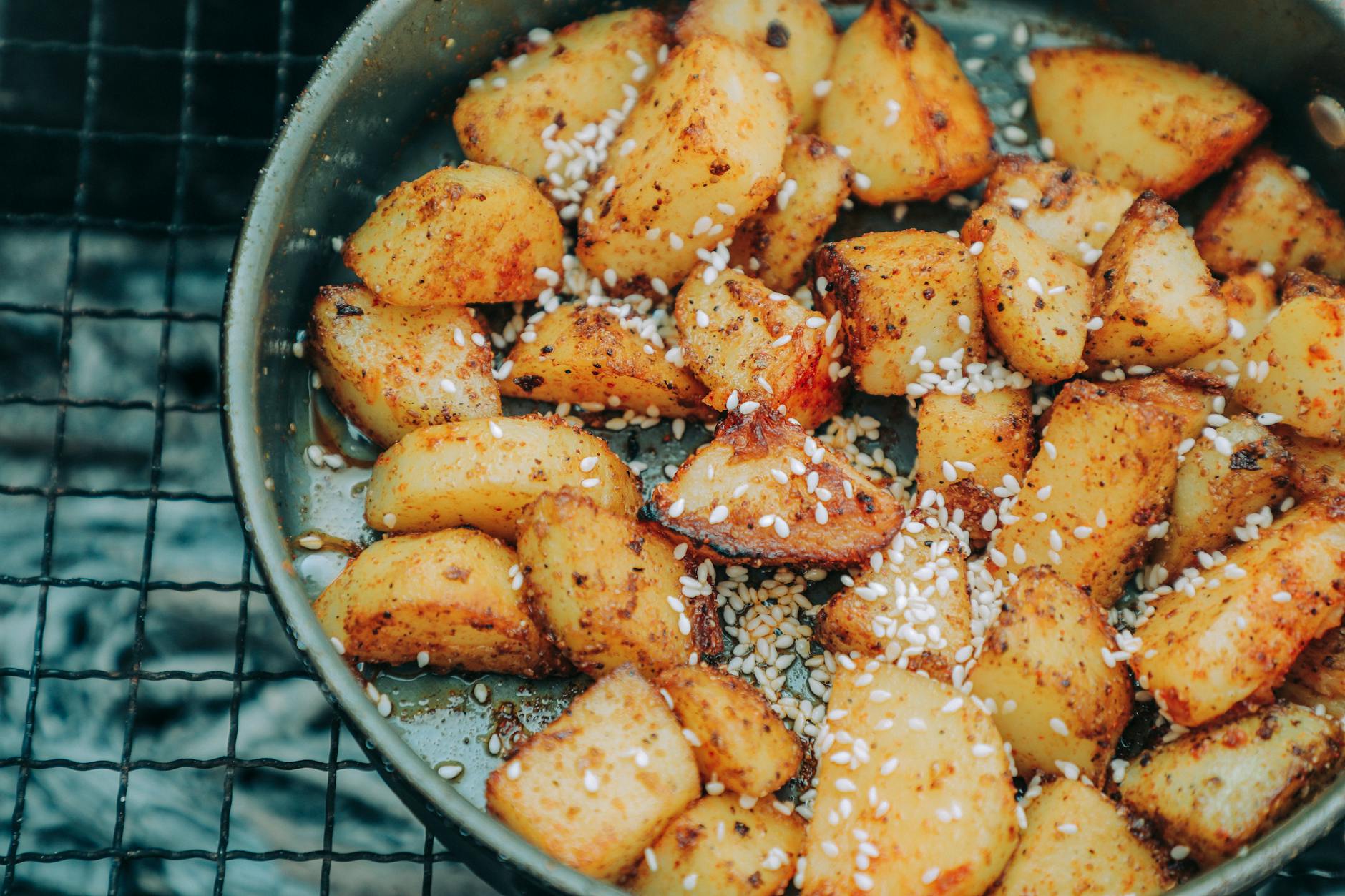
Understanding Gluten and Potatoes In India, where rice and wheat form the staple diet for many, understanding gluten content in various foods is crucial, especially for those with celiac disease or gluten sensitivity. Potatoes, a beloved and versatile vegetable across India, are often a subject of this discussion. The simple and reassuring answer is: yes, potatoes are naturally gluten-free. Gluten is a protein primarily found in grains like wheat, barley, and rye. Potatoes, on the other hand, are starchy root vegetables and do not contain this protein. This makes them an excellent and safe option for individuals who need to avoid gluten due to medical reasons such as celiac disease or non-celiac gluten sensitivity. Celiac disease is an autoimmune disorder where the ingestion of gluten triggers an immune response that damages the small intestine. Symptoms can range from digestive issues like bloating, diarrhoea, and abdominal pain to more systemic problems. For those with gluten intolerance, symptoms can be similar but without the autoimmune component and intestinal damage. The good news for people managing these conditions is that potatoes can be a fantastic substitute for gluten-containing ingredients in many dishes. Their versatility allows them to be incorporated into a wide array of meals, offering both nutritional value and culinary flexibility. The Versatility of Potatoes in a Gluten-Free Diet India boasts a rich culinary heritage with countless potato-based dishes. From the humble aloo paratha (though the paratha itself is wheat-based) to aloo tikki, aloo gobi, and various curries, potatoes are a cornerstone of Indian cooking. The fact that they are naturally gluten-free opens up a world of possibilities for those on a restricted diet. Potato as a Gluten-Free Substitute Potatoes and potato-based products can be used in numerous ways to replace gluten-containing ingredients: Flour Substitute: Potato flour, made from ground potatoes, can be used in baking to create gluten-free bread, cakes, cookies, and pasta. This is a great alternative for those who miss baked goods. Pizza Crust: Instead of a traditional wheat-based crust, consider using mashed potatoes or thinly sliced roasted potatoes as a base for your pizza. Thickening Agent: For soups and sauces, mashed potatoes can be used to thicken the consistency, eliminating the need for a flour-based roux. Pasta Alternative: Gnocchi, a type of Italian dumpling, is traditionally made with potatoes. While store-bought gnocchi should be checked for gluten, homemade versions using potato and gluten-free flour are a delicious option. Coating for Frying: Potato flakes can be used as a gluten-free alternative to breadcrumbs when frying fish, chicken, or vegetables. Lasagna Layers: Thinly sliced potatoes can be used in place of lasagna noodles for a gluten-free twist on this classic dish. Hidden Sources of Gluten in Potato Dishes While potatoes themselves are gluten-free, it's crucial to be aware that many popular potato preparations and additions can contain hidden gluten. This is particularly important when dining out or consuming processed foods. Common Culprits to Watch Out For: Gravy: Most traditional gravies are thickened with flour, making them a source of gluten. Always opt for gluten-free gravy or make your own at home. Restaurant Baked Potatoes: Plain baked potatoes are safe, but toppings and preparation methods can introduce gluten. Butter in restaurants can be cross-contaminated if the same utensils are used for gluten-containing foods. It's best to order them plain and add your own safe toppings. French Fries and Potato Skins: Be cautious with restaurant french fries and potato skins. They are often fried in the same oil as gluten-containing items like battered chicken or onion rings, leading to cross-contamination. Packaged Potato Bread: While it sounds like it should be potato-based, packaged potato bread often contains wheat flour. Always check the ingredient list. Potato Chips: Some commercially produced potato chips and restaurant versions may contain malt vinegar or wheat starch. Making your own is the safest bet. Instant Mashed Potatoes: Not all brands of instant mashed potatoes are gluten-free. Always read the ingredient label carefully. Potatoes au Gratin: This dish typically includes breadcrumbs and flour as thickeners or toppings, making it a hidden source of gluten. Look for gluten-free recipes if you enjoy this preparation. Choosing and Preparing Potatoes Safely With hundreds of potato varieties available, including popular ones like Russet, Sweet Potato, White, Red, Purple, Fingerling, and Petite, you have a wide selection. All these varieties are naturally gluten-free. The key to enjoying potatoes safely on a gluten-free diet lies in mindful preparation and ingredient selection. When cooking at home, you have full control over what goes into your dish. Opt for fresh, whole potatoes and use gluten-free ingredients for any additions or seasonings. Tips for Safe Preparation: Read Labels: Always check ingredient lists on packaged potato products, including potato flour, potato flakes, and instant mashed potatoes. Avoid Cross-Contamination: Use separate cutting boards, utensils, and cooking surfaces for gluten-free foods to prevent cross-contamination, especially if you share your kitchen with someone who consumes gluten. Simple Cooking Methods: Boiling, steaming, baking, and roasting potatoes with minimal, safe seasonings are the best ways to enjoy them. Homemade is Best: For dishes like fries, chips, or gravy, making them at home with certified gluten-free ingredients ensures safety. When to Consult a Doctor or Dietitian If you suspect you have celiac disease or gluten intolerance, it is essential to consult a healthcare professional. Self-diagnosing can lead to nutritional deficiencies or delayed diagnosis of other conditions. A doctor can perform the necessary tests to confirm a
In summary, timely diagnosis, evidence-based treatment, and prevention-focused care improve long-term health outcomes.