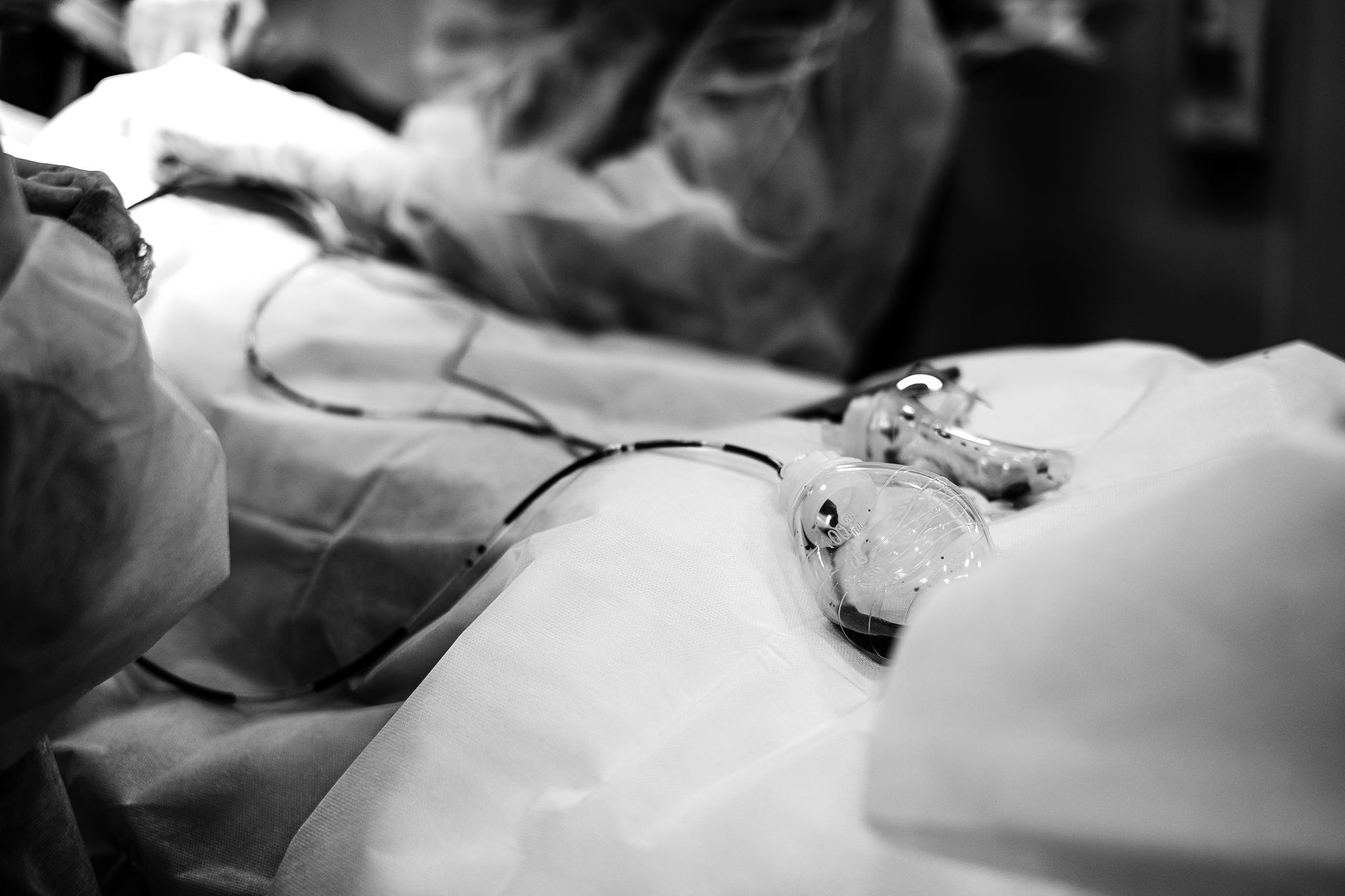
Understanding Bile Duct Stents and Their Removal
Bile duct stents, also known as biliary stents, are small tubes inserted into the bile ducts to keep them open. They are commonly used during procedures like Endoscopic Retrograde Cholangiopancreatography (ERCP) to treat blockages in the bile or pancreatic ducts. These blockages can be caused by various conditions, including pancreatitis, gallstones, or cancer. Additionally, bile duct stents may be used after gallbladder surgery to prevent leaks.
While these stents are crucial for restoring normal bile flow, they are typically temporary. A doctor will usually need to remove the stent after a few months to prevent potential complications. This guide will delve into why bile duct stent removal is necessary, when it should occur, the signs that indicate removal is needed, and the procedure itself.
Why Does a Bile Duct Stent Need to Be Removed?
Biliary stent placement is a standard and effective treatment for narrow or blocked bile ducts. The primary goal is often to keep the duct open until it can naturally maintain its patency without support. However, leaving a stent in place for too long can lead to several complications:
- Migration: The stent can move from its original position, either further into the bile or pancreatic ducts, or even out of the duct system.
- Blockage: The stent can become blocked by a buildup of bile, sludge, or tumor tissue, obstructing bile flow once again.
- Infection: Prolonged presence of a stent can create an environment conducive to bacterial growth, leading to infection.
- Calcium Buildup (Stones): In the case of plastic stents, if left in for extended periods, they can contribute to the formation of calcium deposits or stones at the stent site. This can cause symptoms like fever, jaundice, and pain.
These complications underscore the importance of timely stent removal or replacement.
When Should a Bile Duct Stent Be Removed?
The exact timeframe for bile duct stent removal can vary, and there isn't a universally agreed-upon duration. However, medical professionals generally recommend removal or replacement within a specific period to minimize risks. The decision depends on several factors, including:
- Type of Stent: Stents are made from either plastic or metal. Plastic stents are generally less expensive but may have a higher risk of complications if left in for longer than 4 months. Metal stents, particularly covered self-expanding ones, are often used when a longer duration of support is needed, potentially up to a year.
- Patient's Overall Health: Factors like age, the presence of other medical conditions (comorbidities), and the patient's ability to tolerate procedures influence the removal timeline.
- Clinical Situation: The reason for the stent placement and the progress of the underlying condition play a significant role.
General Guidelines:
- For plastic stents, experts often recommend replacement every 3 to 6 months. In some treatment plans, doctors might exchange or replace them every 3 to 4 months for up to a year. However, this can be challenging for older individuals with multiple health issues.
- For metal stents, if they need to remain in place longer than 3 to 4 months, a metal stent is typically chosen. These can sometimes remain for up to a year.
- Some experts suggest follow-up after stent placement and potential removal as early as 4 to 6 weeks, especially if the goal is short-term support.
It's important to note that recent research has shown lower complication rates even with longer stent indwelling times than previously thought. However, the general consensus remains that timely removal or replacement is crucial for most patients.
Indications That a Bile Duct Stent May Need Removal
Even if a stent is functioning as intended, a doctor may schedule its removal. However, certain symptoms can signal that the stent needs immediate attention and removal. These include:
- Fever: A persistent fever could indicate an infection related to the stent.
- Jaundice: A return or worsening of jaundice (yellowing of the skin and eyes) suggests a blockage or issue with bile flow.
- Abdominal Pain: New or worsening pain in the upper abdomen can be a sign of stent migration, blockage, or infection.
- Nausea and Vomiting: These symptoms can accompany blockages or infections.
- Changes in Stool or Urine Color: Pale stools or dark urine can indicate problems with bile excretion.
- Fatigue and Loss of Appetite: While these can be general symptoms, a significant increase might be linked to a worsening bile duct issue.
If you experience any of these symptoms after a bile duct stent has been placed, it is crucial to contact your doctor immediately.
The Bile Duct Stent Removal Procedure
The removal of a bile duct stent is typically performed using the same endoscopic retrograde cholangiopancreatography (ERCP) technique that was used for its insertion. The procedure is generally straightforward and aims to be as minimally invasive as possible.
How it's done:
- Preparation: Similar to insertion, you will likely need to fast for several hours before the procedure. Sedation or anesthesia will be administered to ensure comfort.
- Endoscope Insertion: A thin, flexible tube with a camera and light (endoscope) is gently inserted through your mouth, down your esophagus, stomach, and into the small intestine.
- Locating the Stent: Using the camera on the endoscope, the doctor will navigate to the bile duct where the stent is located.
- Stent Retrieval: Specialized instruments, such as forceps or a snare, are passed through the endoscope. If the stent has a loop or retrieval device on its end, forceps can be used to grasp it and gently pull the stent out. In some cases, a wire may be used to guide the stent out.
- Completion: Once the stent is successfully removed, the endoscope is withdrawn.
The entire procedure usually takes about 30 to 60 minutes. Recovery is generally quick, with most patients able to go home the same day, though specific post-procedure instructions should be followed.
Potential Complications of Stent Removal
While bile duct stent removal is usually safe, like any medical procedure, there are potential risks, although they are uncommon. These can include:
- Bleeding at the site of insertion or removal.
- Perforation (a tear) of the bile duct or gastrointestinal tract.
- Infection.
- Pancreatitis (inflammation of the pancreas), which is a known risk of ERCP procedures.
Your doctor will discuss these risks with you before the procedure and take all necessary precautions to minimize them.
When to Consult a Doctor
It is essential to consult your doctor if:
- You have recently had a bile duct stent placed and are experiencing any of the symptoms mentioned earlier (fever, jaundice, severe pain, nausea, vomiting).
- You have a scheduled appointment for stent removal and have questions or concerns.
- You notice any unusual changes in your health after a stent has been in place for a significant period.
Regular follow-up appointments are crucial to monitor the stent's condition and ensure timely intervention if needed. Your healthcare provider is the best resource for personalized advice regarding your specific situation.
Frequently Asked Questions (FAQ)
1. How long can a bile duct stent stay in?
The duration varies based on the stent type and patient's condition. Plastic stents are often removed or replaced every 3-6 months, while metal stents may stay in longer, sometimes up to a year. However, some cases may require earlier removal or replacement.
2. Is bile duct stent removal painful?
The procedure is performed under sedation or anesthesia, so you should not feel pain during the removal. You might experience some mild discomfort or a sore throat afterward, which is usually temporary.
3. What happens if a bile duct stent is not removed?
If a bile duct stent is not removed within the recommended timeframe, it can lead to serious complications such as migration, blockage, infection, or the formation of stones, causing symptoms like fever, jaundice, and pain.
4. Can a blocked bile duct stent be removed?
Yes, a blocked bile duct stent can usually be removed. If the blockage is severe or the stent has moved, the doctor will use specialized endoscopic techniques to retrieve it.
5. What are the benefits of removing a bile duct stent?
Removing a bile duct stent prevents potential complications associated with its prolonged presence, such as infection, blockage, and migration. It allows the bile duct to return to its natural state and function without foreign support.