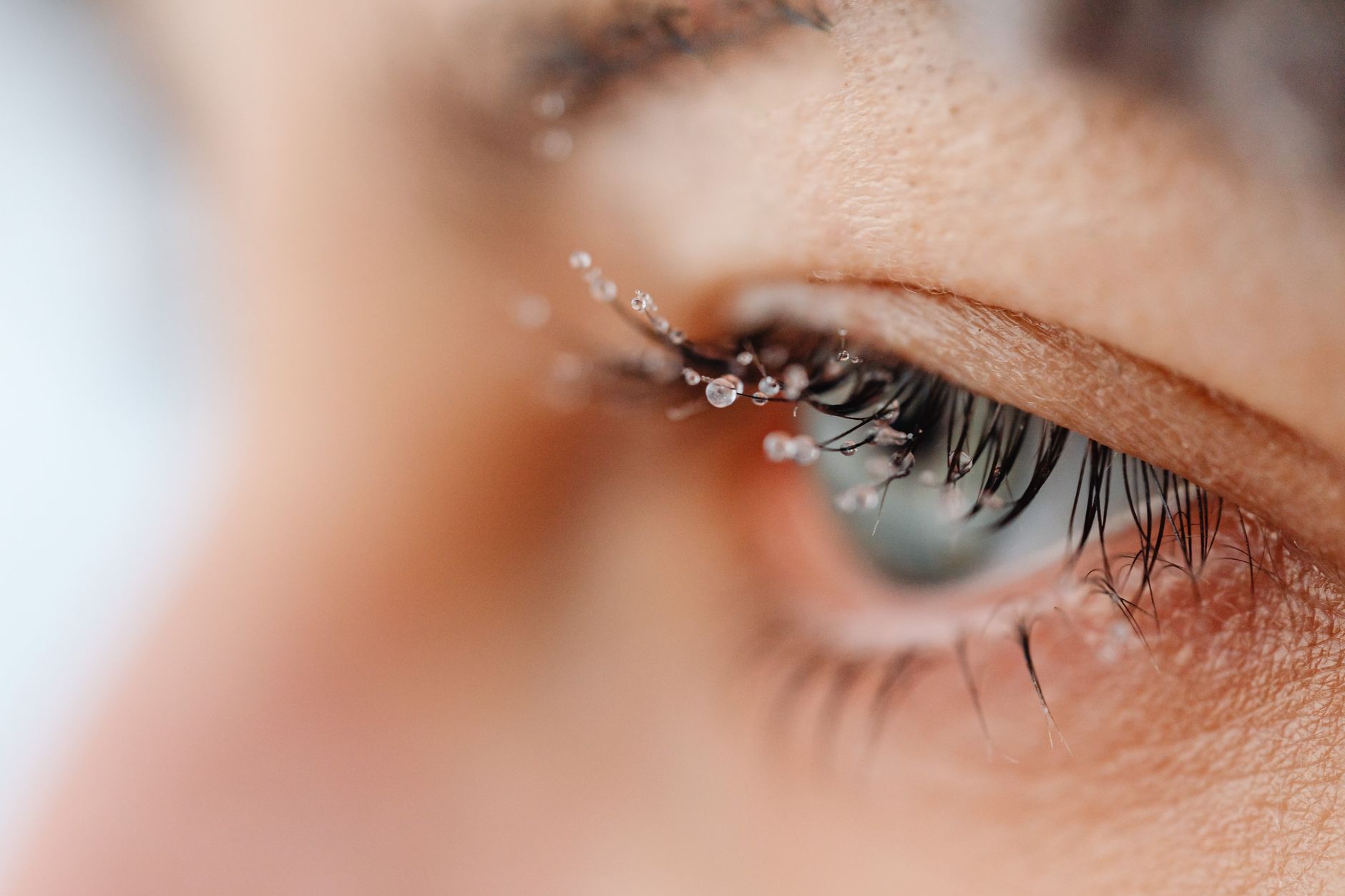
What is Blepharitis? Blepharitis is a common condition that causes inflammation of the eyelids. It often leads to crusts or flakes that resemble dandruff forming on the eyelashes. This inflammation can affect the outer edge of the eyelid where the eyelashes grow (anterior blepharitis) or the inner edge of the eyelid that touches the eyeball (posterior blepharitis). Blepharitis can be acute, often caused by infections, or chronic, which is more common and can have various underlying causes. A frequent culprit in chronic blepharitis is the dysfunction of the meibomian glands, which are crucial for producing the oily layer of tears that keeps our eyes lubricated and prevents rapid evaporation. The symptoms of blepharitis can range from mild to severe and often include itchiness, redness, and general irritation of the eyelid and the surrounding eye area. While blepharitis can be managed effectively, it often has a tendency to recur even after symptoms improve. Therefore, the primary goal of treatment is to keep the eyes clean, free from crusts and irritation, and to address any underlying conditions that might be contributing to the inflammation. Types of Blepharitis Blepharitis is broadly categorized into two main types based on the location of the inflammation: Anterior Blepharitis: This type affects the outer front part of the eyelid, specifically where the eyelashes are attached. It is often caused by bacteria (like Staphylococcus) or sometimes by a parasitic mite called Demodex. Posterior Blepharitis: This type affects the inner edge of the eyelid, which comes into direct contact with the eyeball. It is typically associated with problems with the meibomian glands, which can become clogged or inflamed, leading to a poor quality tear film. Blepharitis can also be classified as acute or chronic. Acute blepharitis is usually a sudden onset, often due to an infection. Chronic blepharitis, on the other hand, is a long-term condition that may persist for months or years, requiring ongoing management. Symptoms of Blepharitis The symptoms of blepharitis can vary from person to person and may include: Itchy eyelids Red and swollen eyelids A gritty or burning sensation in the eyes Crusty or flaky debris around the eyelashes Watery eyes Sensitivity to light (photophobia) Blurred vision, especially upon waking Feeling like something is in the eye Dry eyes Eyelid crusting, especially in the morning Causes of Blepharitis Several factors can contribute to the development of blepharitis: Bacterial Infections: Common bacteria like Staphylococcus aureus can colonize the eyelid margins. Meibomian Gland Dysfunction (MGD): This is a very common cause, where the oil glands in the eyelids become blocked or don't produce oil of the right consistency, affecting tear film stability. Skin Conditions: Conditions like dandruff (seborrheic dermatitis) on the scalp and face, as well as rosacea, are often associated with blepharitis. Demodex Mites: Microscopic mites that live on the skin and in hair follicles, including eyelash follicles, can cause irritation and inflammation. Allergies: Allergic reactions to eye makeup, contact lens solutions, or environmental allergens can trigger blepharitis. Environmental Factors: Exposure to smoke, dust, or dry air can exacerbate symptoms. Diagnosis of Blepharitis Diagnosing blepharitis typically involves a thorough examination by an eye care professional, such as an optometrist or ophthalmologist. The process usually includes: Medical History: Discussing your symptoms, their duration, and any other medical conditions you may have. Eye Examination: The doctor will examine your eyelids, eyelashes, and the front surface of your eye using a slit lamp microscope. This allows for a detailed view of any crusting, redness, inflammation, or abnormalities in the meibomian glands. Eyelid Margin Culture: In some cases, a sample may be taken from the eyelid margin to identify specific bacteria or mites. Treatment and Management of Blepharitis Managing blepharitis often requires a consistent daily routine and may involve a combination of treatments. The goal is to control symptoms, prevent complications, and maintain eyelid hygiene. 1. Eyelid Hygiene (The Cornerstone of Treatment) This is the most crucial part of managing blepharitis. A regular eyelid care regimen can significantly help in controlling the condition. Warm Compresses: Applying a warm compress to the eyelids for 5 to 10 minutes, once or twice a day, can help loosen crusts and soften the oils in the meibomian glands. It's important to use a clean compress for each eye and to ensure the compress is warm but not hot enough to cause burns. Eyelid Massage: After applying the warm compress, gently massage the eyelid with the compress for about 30 seconds. This helps to express the softened oils from the meibomian glands, improving their function and preventing blockages. Eyelid Cleansing: After loosening crusts and massaging, gently clean the eyelid margins. This can be done using: Diluted Baby Shampoo: A small amount of tear-free baby shampoo diluted with warm water can be used on a cotton swab or clean cloth to gently scrub away debris from the lash line. Commercial Eyelid Cleansers: Pre-moistened wipes or solutions specifically designed for eyelid hygiene are also available over-the-counter. After cleansing, rinse the eye area with warm water and pat dry gently. It's essential to use a clean cloth or swab for each application and for each eye to prevent spreading any infection. 2. Over-the-Counter (OTC) Treatments Several OTC products can complement your eyelid hygiene routine: Artificial Tears: These lubricating eye drops can help alleviate symptoms of dry eye, redness, and irritation often associated with blepharitis. Dandruff Shampoos: If dandruff is a contributing factor, using a medicated shampoo on the scalp might help reduce flakes that can spread to the eyelids. However, be cautious as some dandruff shampoos can be irritating to the eyes. 3. Prescription Treatments For more severe or persistent cases, an eye doctor may prescribe: Topical Antibiotics: Ointments or drops containing antibiotics can help control bacterial infections on the eyelids. Topical Steroids: Corticosteroid eye drops or ointments may be prescribed for a short period to reduce inflammation. These are usually used in combination with antibiotics. Oral Antibiotics: In cases of severe MGD or associated skin conditions like rosacea, oral antibiotics (such as tetracyclines) may be prescribed for their anti-inflammatory and oil-regulating properties. Topical Immunomodulators: Medications like cyclosporine eye drops might be used for chronic dry eye associated with blepharitis. 4. Advanced Treatments Newer treatments are emerging for specific types of blepharitis: BlephEx: This is a microblepharoexfoliation procedure that uses a special rotating brush to clean the eyelid margins and remove debris, particularly helpful for Demodex-related blepharitis. Intense Pulsed Light (IPL) Therapy: IPL has shown promise in improving symptoms of dry eye and meibomian gland dysfunction by reducing inflammation and improving gland function. MiBoFlo: This treatment uses heat therapy applied to the outside of the eyelids to help unblock and improve the function of the meibomian glands. 5. Nutritional Support Consuming omega-3 fatty acids, found in fish oil supplements, may help reduce dry eye symptoms, which are common in blepharitis. Ensure you choose supplements from reputable sources and follow dosage instructions. Prevention and Long-Term Management Since blepharitis often recurs, a consistent eyelid hygiene routine is key to long-term management. Even when symptoms improve, continue with daily or regular eyelid cleaning. Avoiding eye makeup or using hypoallergenic products can also help prevent flare-ups. If you wear contact lenses, ensure proper hygiene and consider reducing wear time during flare-ups. When to Consult a Doctor It is important to consult an eye care professional if you experience any of the following: Persistent eyelid redness, itching, or irritation that does not improve with home care. Changes in vision, such as blurriness or light sensitivity. Signs of infection, like increased pain, swelling, or discharge. If your symptoms interfere significantly with your daily life. An early diagnosis and appropriate management plan from a doctor can help prevent complications like styes, chalazia, or long-term damage to the cornea. Frequently Asked Questions (FAQ) Can blepharitis be cured completely? Blepharitis is often a chronic condition, meaning it can recur. While it may not be completely curable in all cases, it can be effectively managed with consistent eyelid hygiene and appropriate medical treatment. The goal is to control symptoms and prevent flare-ups. Is it safe to wear eye makeup if I have blepharitis? It is generally recommended to avoid eye makeup during a flare-up. When symptoms are controlled, use hypoallergenic, oil-free makeup and always remove it thoroughly before sleeping. Replace eye makeup products regularly (every 3-6 months) to avoid bacterial contamination. Can blepharitis affect my vision permanently? While blepharitis itself is an inflammation of the eyelids and doesn't directly damage vision, severe or untreated cases can lead to complications that might affect vision. These include corneal inflammation (keratitis) or scarring, which can cause permanent vision loss. Prompt treatment is essential to prevent such complications. How long does it take for blepharitis treatment to work? The time it takes for treatment to show results can vary depending on the severity and type of blepharitis. Some people notice improvement within a few weeks of starting a consistent eyelid hygiene routine. However, for more stubborn cases or those requiring prescription medication, it might take several weeks to months to achieve significant
In summary, timely diagnosis, evidence-based treatment, and prevention-focused care improve long-term health outcomes.