What Exactly is a Blown Vein?
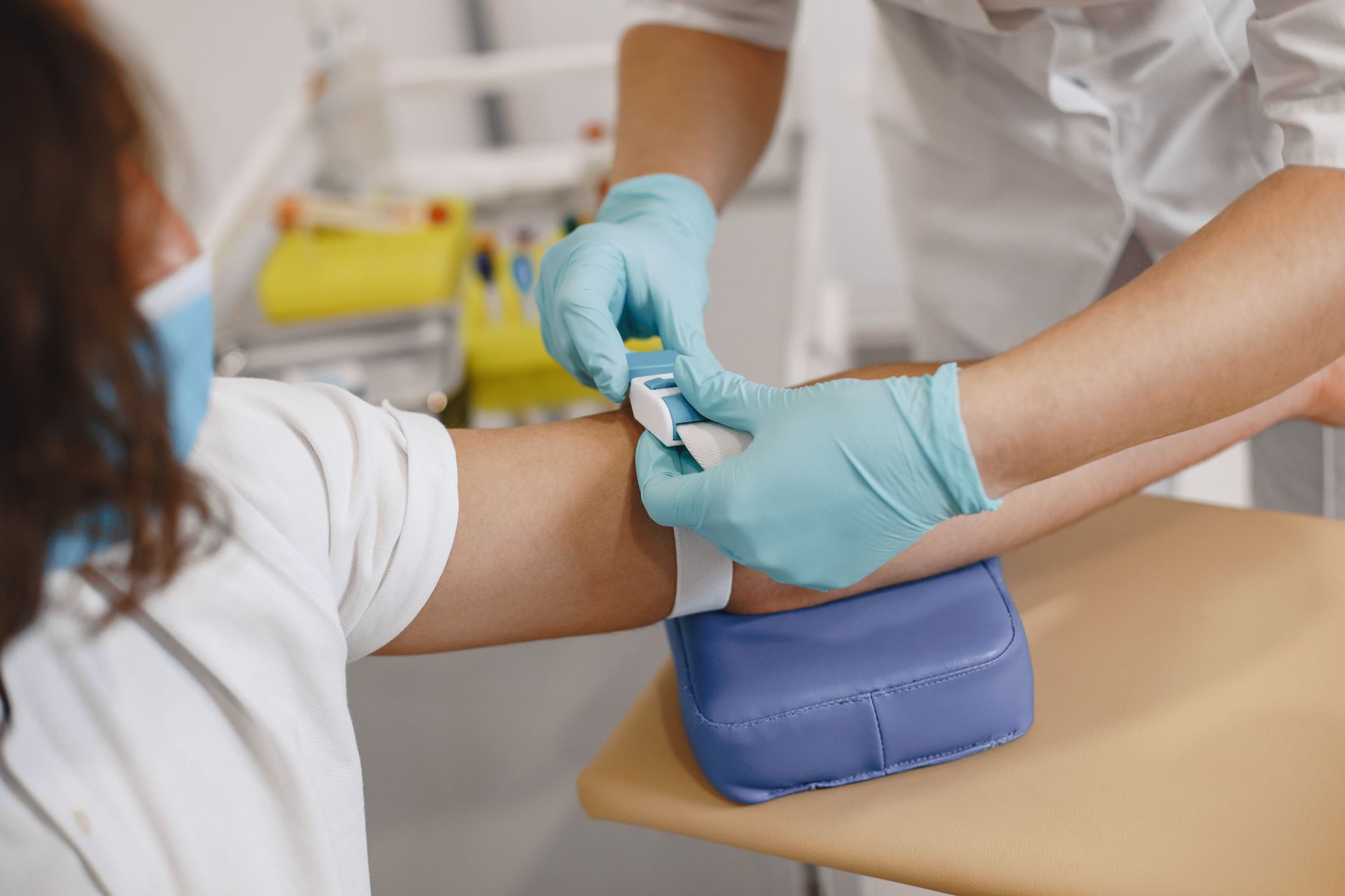
You might have heard the term "blown vein" used, especially if you've had blood drawn or received an IV. It sounds a bit dramatic, doesn't it? But what does it actually mean for your body? A blown vein happens when the needle used for a medical procedure, like drawing blood or administering medication, goes completely through a vein. Imagine a tiny tunnel being made, and the needle pokes through one side and then out the other. This puncture causes the vein to rupture, leading to blood leaking out into the surrounding tissues. It's not usually a serious medical emergency, but it can certainly be uncomfortable and lead to some visible signs.
When a vein is "blown," it means it has essentially collapsed or caved in. This makes it difficult, if not impossible, for blood to flow through it properly. For the healthcare provider, this means they can't continue with the intended procedure using that particular vein. Until the vein heals, it cannot be used for blood draws, IV lines, or injections. The good news is that for most people, this is a temporary issue that resolves on its own within a few days to a couple of weeks.
Common Signs and Symptoms of a Blown Vein
Recognizing a blown vein is usually straightforward based on the immediate aftermath of a needle insertion. The most common and noticeable symptom is discoloration around the site where the needle was inserted. This often appears as bruising, which can range from a light purple to a darker blue or even greenish hue as it heals. You might also experience:
- Tenderness or mild pain: The area can feel sore to the touch or ache slightly.
- Swelling: Some puffiness around the insertion point is also common.
These symptoms typically appear quite quickly after the needle insertion. If you notice these signs, it's important to let the healthcare professional know immediately.
Why Do Veins Get Blown? Understanding the Causes
Several factors can contribute to a vein being blown. It often comes down to the interaction between the needle, the vein, and sometimes the patient's body or movement. Let's break down the common culprits:
1. Needle Size and Angle Mismatch
Veins vary in size, just like needles do. A skilled phlebotomist or nurse will select the most appropriate needle size for the vein they are trying to access. If the needle is too large for a delicate vein, or if it's inserted at an angle that's too steep (generally recommended to be 30 degrees or less), it increases the risk of poking straight through.
2. Vein 'Rolling' or 'Bouncing'
Some veins are naturally more mobile under the skin. They might
What This Means In Daily Life
Most people do not notice early warning signs right away. That is common. A simple symptom diary, basic routine checks, and timely follow-up visits can prevent small problems from becoming serious.
If you are already on treatment, stay consistent with medicines and lifestyle advice. If your symptoms change, do not guess. Check with a qualified doctor and update your plan early.
Simple Action Plan
Write down symptoms, triggers, and timing for a few days.
Carry old prescriptions and test reports to your consultation.
Ask clearly about side effects, red-flag signs, and follow-up dates.
Seek urgent care for severe pain, breathing trouble, bleeding, fainting, or sudden worsening.