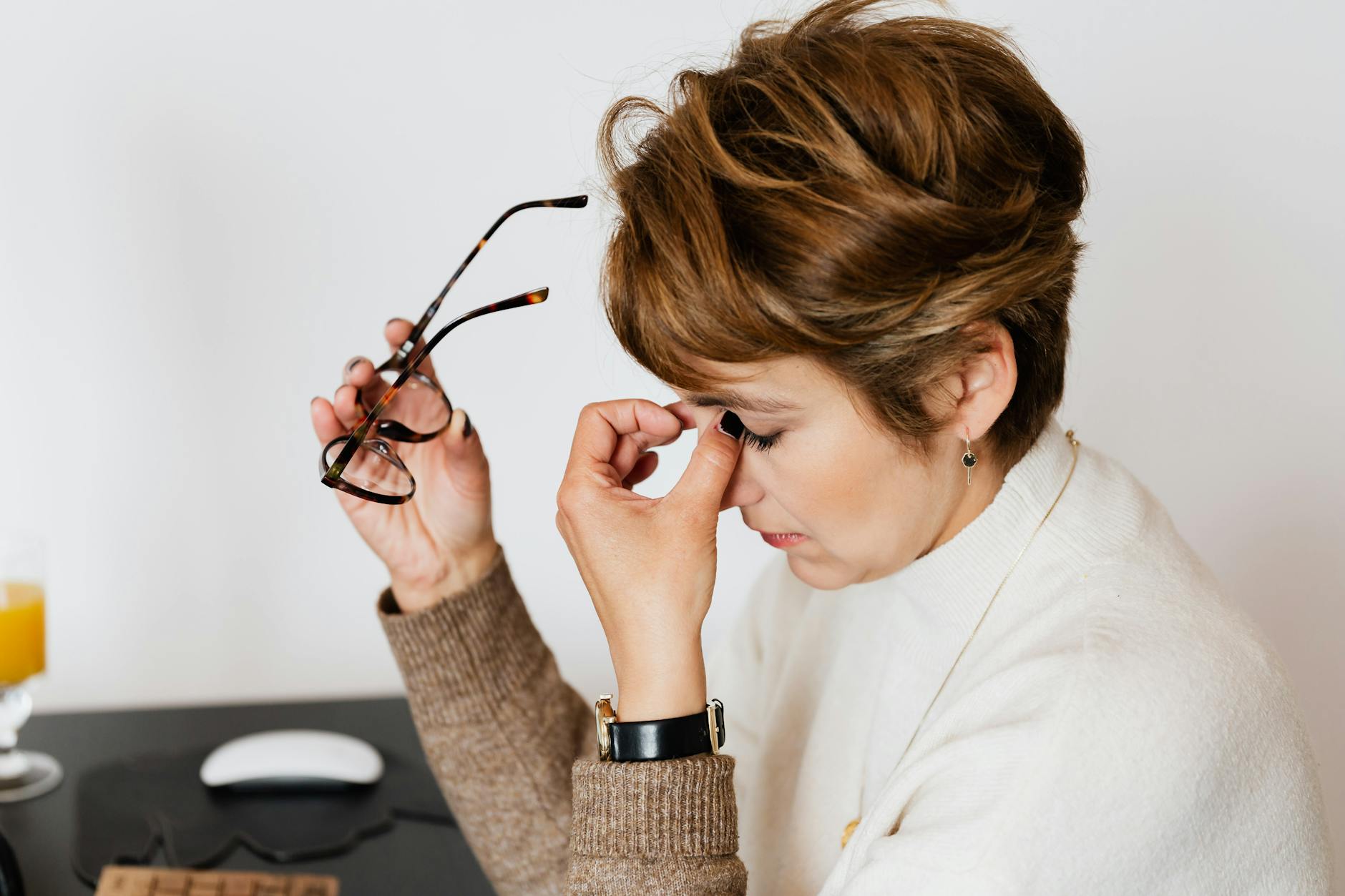
Are those blue-light-blocking glasses a real solution for your digital eye strain, or just a trendy accessory? Let's dive in! In today's hyper-connected world, our eyes are constantly bombarded by screens. Phones, laptops, tablets, TVs – they're everywhere! While these devices are indispensable for work, learning, and staying in touch, extended screen time can lead to a host of uncomfortable symptoms we often call 'computer vision syndrome' or digital eyestrain. Think dry, itchy, or burning eyes, headaches, blurred vision, and even neck and shoulder pain. It's a real pain in the neck, and eyes! One of the solutions that has gained traction is the use of blue-light-blocking glasses. But do they actually deliver on their promises? Let's explore the science, the claims, and what you can do to protect your precious peepers. What Exactly is Blue Light? First off, what is this 'blue light' everyone's talking about? Blue light is a part of the visible light spectrum. Sunlight is the biggest source of blue light, and it plays a vital role in regulating our natural sleep-wake cycle, also known as our circadian rhythm. It helps us feel alert during the day. However, artificial sources like LED lights in our homes and screens on electronic devices also emit significant amounts of blue light. While natural blue light is beneficial, the concentrated exposure from our digital devices, especially for prolonged periods, has raised concerns. The concern stems from the fact that blue light has a short wavelength. Shorter wavelengths mean higher energy. This higher energy is thought to potentially cause damage to the eyes over time, and crucially, it can disrupt our body's natural sleep patterns. When we expose ourselves to blue light late at night, it tricks our brain into thinking it's still daytime, making it harder to fall asleep and potentially leading to poorer sleep quality. This disruption to our circadian rhythm can have ripple effects on our overall health. The Promise of Blue-Light-Blocking Glasses Eyeglass manufacturers have responded to these concerns by developing lenses designed to filter out or block blue light emitted from digital screens. These are your blue-light-blocking glasses. The theory is simple: by reducing the amount of blue light that reaches your eyes, these glasses can help alleviate digital eyestrain, protect your eyes from potential damage, and improve your sleep. They often have a slight yellow tint or a reflective coating, depending on the level of filtration. Many people report feeling relief from symptoms like headaches and eye fatigue after wearing these glasses. They seem like a straightforward solution to a very modern problem. But as with many health-related products, the reality is a bit more complex. The scientific evidence supporting their effectiveness is, shall we say, mixed. It's not a clear-cut 'yes' or 'no'. What Does the Research Say? This is where things get interesting. Several studies have investigated the effectiveness of blue-light-blocking glasses, and the results are not entirely conclusive. Let's break down some of the findings: A 2017 review examined three separate trials. The researchers couldn't find any strong, reliable evidence linking blue-light-blocking glasses to significant improvements in vision, reduced eyestrain, or better sleep quality. This suggests that while some people might feel better, the objective benefits might not be as pronounced as hoped. A small study from 2017 looked at 36 participants. Those who wore blue-light glasses for a 2-hour computer task reported less eyestrain, itching, and pain compared to a placebo group. This offered some positive, albeit limited, evidence for symptom relief. A more recent study in 2021 involved 120 participants. They were asked to wear either blue-light-blocking glasses or regular clear glasses while performing a 2-hour computer task. Interestingly, the researchers found no significant difference in eyestrain between the two groups after the task. This study casts doubt on the widespread benefits. It's also important to consider the limitations of these studies. Many research efforts on blue light and eye health have been conducted on animals or in highly controlled laboratory settings. Extrapolating these findings directly to everyday human use can be tricky. Our real-world exposure and how our bodies react can differ significantly from lab conditions. The American Academy of Ophthalmology (AAO) has weighed in on this topic. They state that blue light from electronic devices is not proven to cause eye disease. They recommend focusing on other strategies to improve sleep, such as avoiding screens altogether in the hours leading up to bedtime. This is a significant point from a leading ophthalmology body. Are Blue-Light Glasses Worth the Cost? The price of blue-light-blocking glasses can vary widely. Over-the-counter (OTC) options typically range from ₹1,000 to ₹5,000. If you need prescription lenses with blue-light-blocking technology, the cost can jump significantly, potentially ranging from ₹8,000 to over ₹16,000, depending on the frame and lens choices. This is a considerable investment for something with uncertain benefits. So, the question remains: are they worth it? If you experience significant discomfort from screen time and find that wearing these glasses genuinely makes you feel better, they might be a worthwhile personal investment for symptom relief. However, it's wise to manage expectations. They are not a magic bullet for preventing eye disease or guaranteeing perfect sleep. Alternatives and Complementary Strategies for Reducing Eyestrain Before you invest in blue-light-blocking glasses, or even if you decide to get them, consider these evidence-based strategies that can significantly help reduce digital eyestrain: The 20-20-20 Rule: This is a simple yet highly effective technique. Every 20 minutes, take a 20-second break to look at something 20 feet away. This allows your eye muscles to relax and refocus. Set a timer if you need a reminder! Conscious Blinking: When we stare at screens, we tend to blink less frequently. This leads to dry eyes. Make a conscious effort to blink fully and often. Think of it as giving your eyes a quick refresh. Proper Ergonomics and Lighting: Position your screen at arm's length and slightly below eye level. Ensure your workspace is well-lit, but avoid glare on your screen. Adjust screen brightness to match your surroundings. Artificial Tears: Over-the-counter lubricating eye drops can provide immediate relief for dry, irritated eyes. Use them as needed throughout the day. Consider Prescription Glasses: If you wear contact lenses, switching to eyeglasses for extended screen use might help. Glasses are generally less likely to cause dryness and irritation compared to contacts during long digital sessions. Limit Screen Time Before Bed: As the AAO suggests, try to disconnect from screens at least one to two hours before you plan to sleep. This allows your body's natural melatonin production to kick in, promoting better sleep. Blue Light Filters on Devices: Most smartphones and computers have built-in 'night mode' or 'blue light filter' settings. These can reduce the amount of blue light emitted by your device in the evening, which might be a more direct and cost-effective approach for sleep-related concerns. When Should You Consult a Doctor? While digital eyestrain is common, persistent or severe symptoms warrant a professional medical opinion. You should consult an eye doctor (optometrist or ophthalmologist) if you experience any of the following: Severe or persistent eye pain Sudden changes in vision or blurry vision that doesn't resolve Frequent headaches that you suspect are linked to screen time Significant dry eye that doesn't improve with basic remedies Any other concerning changes in your eye health An eye care professional can rule out other underlying eye conditions, provide a proper diagnosis for your symptoms, and offer personalized recommendations for managing your eye health in the digital age. They can also assess if prescription glasses or specific lens treatments are appropriate for your needs. The Bottom Line Blue-light-blocking glasses are an interesting option for individuals seeking relief from digital eyestrain. While some users report subjective benefits, the scientific evidence supporting their broad effectiveness is not yet robust. The American Academy of Ophthalmology suggests that for most people, the blue light from digital devices isn't harmful to eye health. However, if you find that wearing them genuinely eases your symptoms, they could be a worthwhile personal choice. Remember, adopting healthy screen habits like taking regular breaks, blinking consciously, and managing your environment are fundamental steps in protecting your eyes. Don't underestimate the power of these simple, yet effective, strategies! Frequently Asked Questions (FAQ) Do I need blue-light-blocking glasses if I don't have vision problems? Not necessarily. The American Academy of Ophthalmology states that blue light from digital devices does not cause eye disease. If you don't experience significant eyestrain or sleep issues related to screen time, you may not need them. However, if you do experience discomfort, they might offer some relief. Are the blue light filters on my phone and computer enough? These built-in filters can help reduce blue light exposure, especially in the evening, which may aid sleep. They are a good, accessible option for managing blue light. Whether they are sufficient depends on your individual sensitivity and screen time habits. Can blue-light-blocking glasses really improve my sleep? Some studies suggest a potential benefit,
In summary, timely diagnosis, evidence-based treatment, and prevention-focused care improve long-term health outcomes.