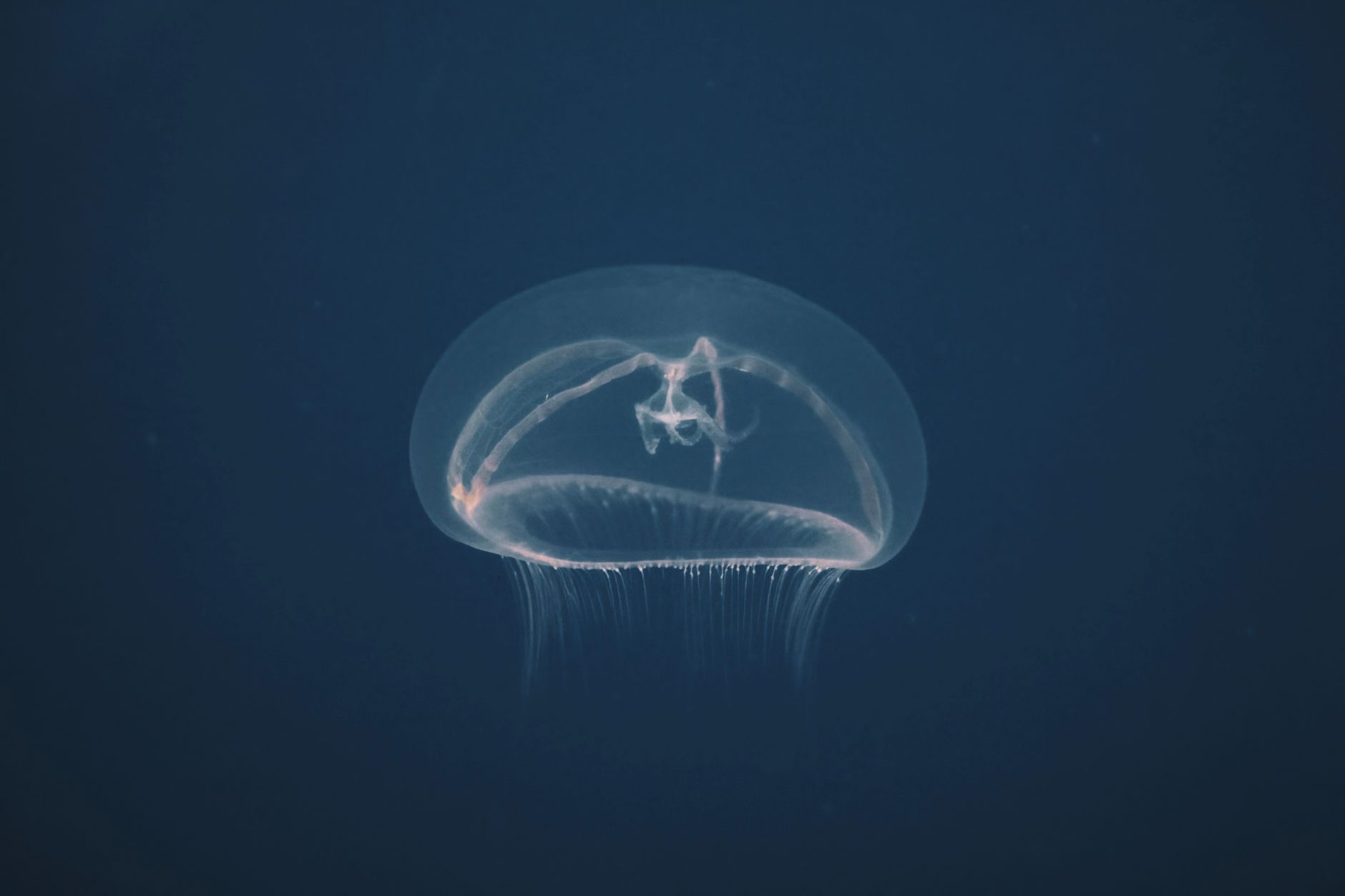
Understanding the Dangers of Box Jellyfish Stings
The ocean is a vast and beautiful place, teeming with life. However, some of its inhabitants pose a significant threat. Among the most dangerous are box jellyfish. These marine creatures, named for their cube-shaped bells, are not fish but cnidarians, related to corals and sea anemones. What sets them apart is their potent venom delivered through thousands of stinging cells, called nematocysts, covering their tentacles. While not all box jellyfish species are lethal, a few, particularly the notorious 'sea wasp' (Chironex fleckeri), possess venom that can be deadly to humans, sometimes within minutes.
Imagine this: you're enjoying a refreshing dip in the warm tropical waters of northern Australia or the Indo-Pacific, a region known for these creatures. Suddenly, you feel an intense, burning pain. You look down to see thin, almost invisible tentacles clinging to your skin, leaving angry red welts. The pain is excruciating, and a sense of dread washes over you. This is the reality of a box jellyfish sting, a medical emergency that demands immediate attention.
What Causes a Box Jellyfish Sting?
The sting is caused by the jellyfish's highly effective defense and hunting mechanism. Their tentacles are lined with nematocysts, tiny harpoon-like structures that contain a potent venom. When a box jellyfish comes into contact with another living being, these nematocysts fire, injecting toxins into the victim's skin. The venom of lethal box jellyfish species, like the sea wasp, is particularly dangerous. It can rapidly affect the cardiovascular system, leading to heart failure, and also damage other body cells. The severity of the sting depends on several factors: the species of jellyfish, the amount of venom injected, the number of tentacles that made contact, and the victim's overall health and body surface area affected. For instance, a sting affecting a larger percentage of a child's body can be far more dangerous than for an adult.
Recognizing the Symptoms of a Box Jellyfish Sting
Symptoms can vary greatly depending on the species and the severity of the sting. Some stings might cause a localized reaction, while others can lead to systemic and life-threatening effects.
Immediate Symptoms (often within minutes):
- Intense Pain: This is usually the first and most prominent symptom, described as burning and excruciating.
- Skin Reactions: You'll likely see whip-like red welts or linear marks where the tentacles made contact. These can blister and may leave scars.
- Numbness and Tingling: The affected area might feel numb or tingly.
More Severe Symptoms (can develop within minutes to hours):
- Nausea and Vomiting: Feeling sick to your stomach is common.
- Muscle Cramps and Spasms: Painful contractions of the muscles can occur.
- Difficulty Breathing: In severe cases, breathing can become labored.
- Cardiac Issues: This is the most dangerous aspect. Stings can lead to irregular heart rhythms, dangerously high blood pressure, and even cardiac arrest.
- Neurological Effects: Symptoms like confusion, agitation, or even paralysis can manifest.
It's important to understand that with dangerous species like Chironex fleckeri, cardiac arrest can occur within minutes. For other species, like those causing Irukandji syndrome (though not strictly box jellyfish, they share similar dangers), severe symptoms might take 20 to 30 minutes to appear after the initial sting.
First Aid and Immediate Treatment for Box Jellyfish Stings
A box jellyfish sting is a medical emergency. Acting quickly and correctly can save a life. Here’s what you should do:
If You or Someone Else is Stung:
- Call for Emergency Help Immediately: Dial your local emergency number (like 108 or 112 in India) without delay. This is the most critical first step.
- Prevent Further Stinging: Carefully remove any remaining tentacles from the skin. Do NOT use bare hands. Use tweezers or the edge of a credit card to gently scrape them off. Avoid rubbing the area, as this can cause more nematocysts to discharge.
- Irrigate the Sting: Flood the affected area with vinegar for at least 30 seconds. Vinegar is known to inactivate unfired nematocysts, preventing further venom injection. If vinegar is not available, copious amounts of saltwater can be used, but vinegar is preferred. Do NOT use fresh water, alcohol, or urine, as these can worsen the sting.
- Pain Management: After inactivating the nematocysts, immerse the affected area in hot water (as hot as the person can tolerate without burning, typically around 45°C or 113°F) for about 20-45 minutes. This can help alleviate the severe pain. If hot water immersion isn't possible, pain relief medication may be administered by medical professionals.
- Monitor Vital Signs: Keep the person calm and monitor their breathing and pulse. Be prepared to perform CPR if necessary until professional help arrives.
Medical Treatment and Antivenom
Once emergency services arrive or you reach a medical facility, further treatment will be administered. This may include:
- Antivenom: For stings from highly venomous species like Chironex fleckeri, an antivenom is available. This is derived from sheep serum and works by neutralizing the venom circulating in the body. However, its effectiveness can depend on how quickly it's administered and the extent of the envenomation.
- Supportive Care: Medical professionals will manage pain, monitor heart function, and provide respiratory support if needed. This might involve medications to control blood pressure, manage pain, and assist breathing.
- Wound Care: The sting site will be cleaned, and further treatment for blisters or secondary infections may be provided.
Research is ongoing to find even more effective treatments. One promising area involves medications that can block venom and reduce pain and scarring, but these are not yet widely available.
Preventing Box Jellyfish Stings
The best approach to dealing with box jellyfish is prevention. Since these creatures inhabit tropical waters, especially in northern Australia and the Indo-Pacific, awareness and precautions are key if you are in these regions during the jellyfish season (typically October to May).
- Heed Warning Signs: Always look for and obey any posted signs or warnings about jellyfish in the area.
- Ask Locals: If you're unsure, talk to lifeguards or local residents about recent sightings or known risks.
- Wear Protective Clothing: If swimming or engaging in water sports in known box jellyfish areas, wear a full-body lycra suit, wetsuit, or a specialized “stinger suit.” These provide a physical barrier against tentacles.
- Avoid Risky Areas: Steer clear of swimming or wading in areas where box jellyfish are known to frequent, especially during peak season. Estuaries and sheltered beaches can sometimes be safer, but always check local advice.
- Wear Water Shoes: If you must walk in shallow waters where jellyfish might be present, wear sturdy water shoes.
- Swim at Patrolled Beaches: If possible, swim only at beaches with lifeguards. They are trained to handle emergencies and can offer immediate assistance.
When to Seek Immediate Medical Help
Any suspected box jellyfish sting should be treated as a medical emergency. However, you must seek immediate medical attention if:
- The sting covers a large area of the body.
- The person stung is a child or has underlying health conditions.
- There are signs of severe systemic reactions, such as difficulty breathing, chest pain, nausea, vomiting, or loss of consciousness.
- The sting is from a known highly venomous species (like Chironex fleckeri).
Don't delay. Quick action is paramount when dealing with the potentially fatal sting of a box jellyfish. Your prompt response could be the difference between life and death.
Frequently Asked Questions (FAQ)
Are all jellyfish stings dangerous?
No, not all jellyfish stings are dangerous to humans. Many cause only minor irritation. However, some species, like the box jellyfish and the Portuguese man o' war, have venom that can be very dangerous, even fatal.
What is Irukandji syndrome?
Irukandji syndrome is a severe reaction caused by stings from several small, difficult-to-see species of jellyfish, including some cubozoans. Symptoms can include severe pain, muscle cramps, nausea, vomiting, sweating, anxiety, and sometimes high blood pressure and heart problems. Unlike stings from larger box jellyfish, the initial sting might be mild, with severe symptoms appearing 20-30 minutes later.
Is there a universal treatment for all jellyfish stings?
No, treatments can vary. While vinegar is generally recommended for box jellyfish stings to inactivate nematocysts, its effectiveness for other types of jellyfish stings is debated. For stings from certain species, rinsing with saltwater might be advised. It's always best to follow local medical advice and emergency protocols.
Can I use urine on a jellyfish sting?
No. The common myth of urinating on a jellyfish sting is not recommended and can potentially worsen the sting by causing unfired nematocysts to discharge. Stick to recommended first aid, like vinegar or saltwater.