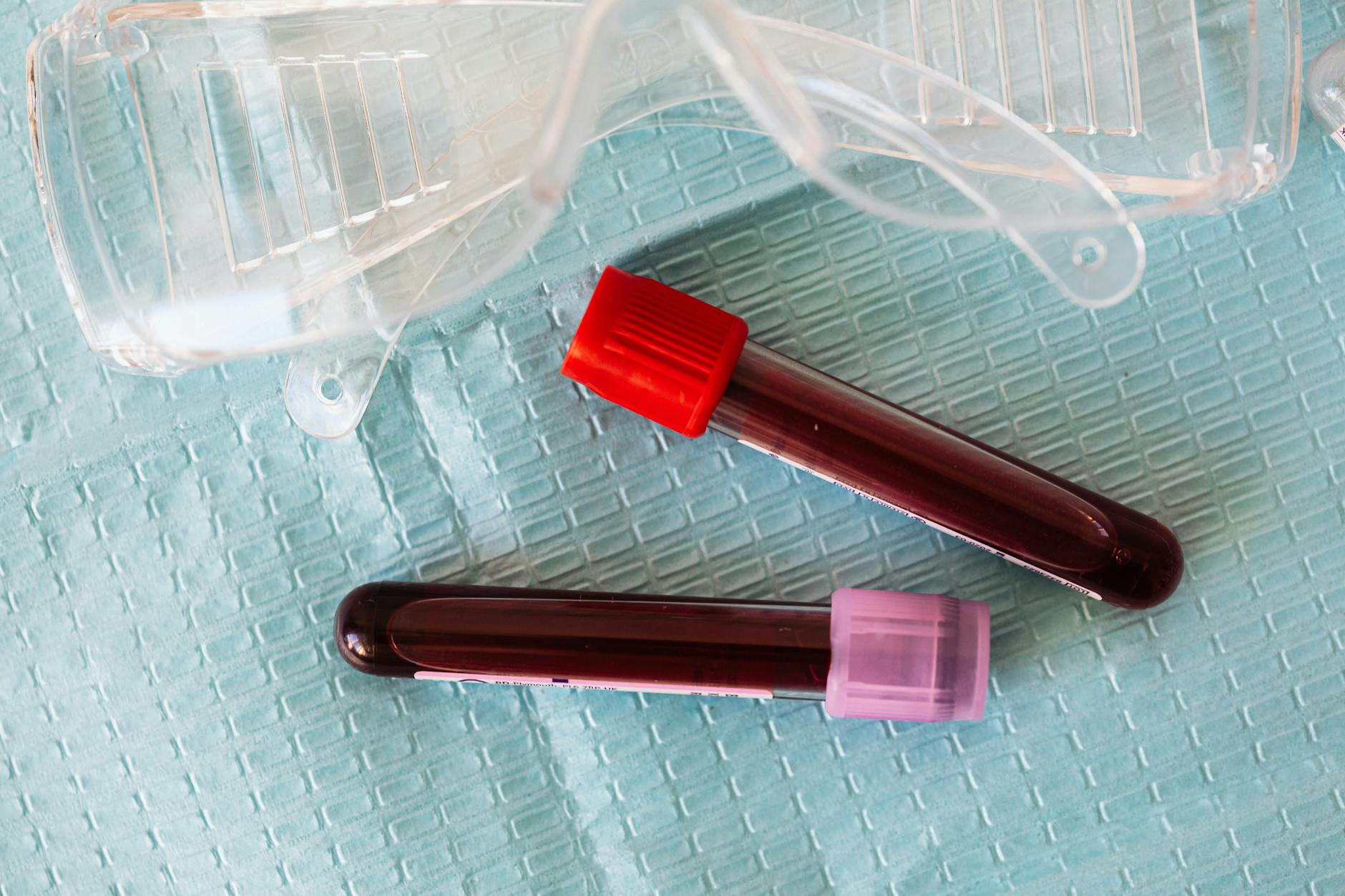
Understanding Exocrine Pancreatic Insufficiency (EPI) and the Role of Blood Tests
Exocrine Pancreatic Insufficiency (EPI) is a condition where the pancreas does not produce or release enough digestive enzymes. These enzymes are crucial for breaking down food and absorbing essential nutrients. When this process is impaired, it can lead to various health issues due to nutrient deficiencies. While blood tests are a common diagnostic tool for many ailments, their role in diagnosing EPI is more nuanced. This article explores how blood tests can indirectly help in identifying potential nutrient deficiencies associated with EPI, but also clarifies that they are not the sole diagnostic method.
What is EPI?
The pancreas has two main functions: producing hormones like insulin (endocrine function) and producing digestive enzymes (exocrine function). EPI specifically affects the exocrine function. The digestive enzymes produced by the pancreas, such as lipase, amylase, and proteases, help break down fats, carbohydrates, and proteins, respectively. Without sufficient amounts of these enzymes, the body struggles to absorb vital nutrients like fats, fat-soluble vitamins (A, D, E, K), vitamin B12, iron, and folate. This malabsorption can lead to malnutrition, weight loss, and a host of other health problems.
Symptoms of EPI
The symptoms of EPI can vary depending on the severity and the specific nutrients being malabsorbed. Common signs and symptoms include:
- Digestive Issues: Steatorrhea (fatty, foul-smelling stools that float), bloating, abdominal pain, gas, and diarrhea.
- Nutritional Deficiencies: Unexplained weight loss, fatigue, weakness, and symptoms related to specific vitamin or mineral deficiencies.
- Bone Concerns: Low bone density and osteoporosis can develop over time due to poor absorption of calcium and vitamin D.
- Other Symptoms: Some individuals might experience nausea, vomiting, or a general feeling of unwellness.
Can Blood Tests Diagnose EPI?
Directly diagnosing EPI solely through blood tests is not possible. The pancreas's exocrine function is not easily measured by a simple blood draw. However, blood tests play a vital role in identifying the consequences of EPI – namely, nutrient deficiencies and low enzyme levels. Doctors often order a series of blood tests as part of the diagnostic process when EPI is suspected.
Nutrient Level Testing
EPI significantly impairs the absorption of various nutrients. Blood tests can reveal low levels of these essential vitamins and minerals:
- Vitamin B12: Older research indicated that a significant percentage of adults with EPI experienced malabsorption of vitamin B12. While the exact mechanism isn't fully understood, it's theorized that EPI interferes with vitamin B12's ability to bind to intrinsic factor, a protein necessary for its absorption in the intestines. If symptoms of a deficiency are present, testing vitamin B12 levels is crucial. Supplementation may be recommended regardless of an EPI diagnosis if a deficiency is found.
- Folate: Some studies, particularly in dogs with EPI, have shown high folate levels. This can be linked to a vitamin B12 deficiency, as the body needs B12 to utilize folate effectively. Low B12 levels mean the body cannot use the folate it has. It's important to note that nutritional supplements, especially folate supplements, can artificially raise folate levels and mask an underlying B12 deficiency. Always inform your doctor about any supplements you are taking.
- Iron: Iron is essential for producing red blood cells, which carry oxygen throughout the body. Insufficient iron absorption due to EPI can lead to iron deficiency and anemia, causing symptoms like fatigue, tiredness, and dizziness. Low red blood cell counts can also be an indicator of broader micronutrient deficiencies.
- Fat-Soluble Vitamins: Vitamins A, D, E, and K are absorbed along with fats. If EPI is present, the absorption of these vitamins can be significantly reduced, leading to deficiencies that can affect vision, bone health, immune function, and blood clotting. Low levels of these vitamins in blood tests can be a strong indicator of malabsorption.
Enzyme and Hormone Level Testing
While not directly diagnostic for EPI, certain enzyme levels in the blood can provide clues:
- Trypsinogen: Trypsinogen is a precursor to trypsin, an enzyme produced by the pancreas that aids in protein digestion. In advanced EPI, levels of trypsinogen can be lower. However, low trypsinogen levels are not specific to EPI and can be associated with various other conditions, making it an indirect indicator at best.
Other Diagnostic Methods for EPI
Given that blood tests are not definitive for EPI, healthcare professionals rely on a combination of methods:
- Stool Tests: These are considered more direct methods for diagnosing EPI. Tests like fecal elastase-1 measure the amount of a pancreatic enzyme in the stool, providing a good indication of pancreatic function. Fecal fat tests can also identify the amount of undigested fat in the stool, a hallmark of steatorrhea.
- Imaging Tests: While not always necessary, imaging techniques like ultrasound, CT scans, or MRI can help visualize the pancreas and rule out other structural abnormalities or diseases that might be affecting its function.
- Direct Pancreatic Function Tests: These are more invasive tests that directly measure the pancreas's ability to produce and secrete enzymes. Examples include the secretin stimulation test and the direct pancreatic function test.
- Differential Diagnosis: Doctors will also work to rule out other conditions that may present with similar symptoms, such as celiac disease, inflammatory bowel disease, or peptic ulcers.
Treatment and Management of EPI
The cornerstone of EPI management is Pancreatic Enzyme Replacement Therapy (PERT). PERT involves taking enzyme supplements with every meal and snack to aid digestion and nutrient absorption. Lifestyle changes, such as dietary modifications and avoiding alcohol, are also crucial. Doctors will also address any specific nutrient deficiencies identified through blood tests, often recommending oral supplements.
When to Consult a Doctor
If you experience persistent digestive issues like fatty stools, bloating, abdominal pain, unexplained weight loss, or symptoms suggestive of nutrient deficiencies (like extreme fatigue or bone pain), it is essential to consult a doctor. Early diagnosis and management of EPI can prevent long-term complications and significantly improve your quality of life.
Conclusion
While blood tests cannot definitively diagnose Exocrine Pancreatic Insufficiency (EPI) on their own, they are an invaluable tool in the diagnostic process. By revealing crucial information about nutrient deficiencies and indirectly assessing pancreatic enzyme levels, blood tests help doctors understand the impact of EPI on your body. Combined with stool tests, imaging, and clinical evaluation, blood work contributes to a comprehensive diagnosis, paving the way for effective treatment and improved health outcomes.