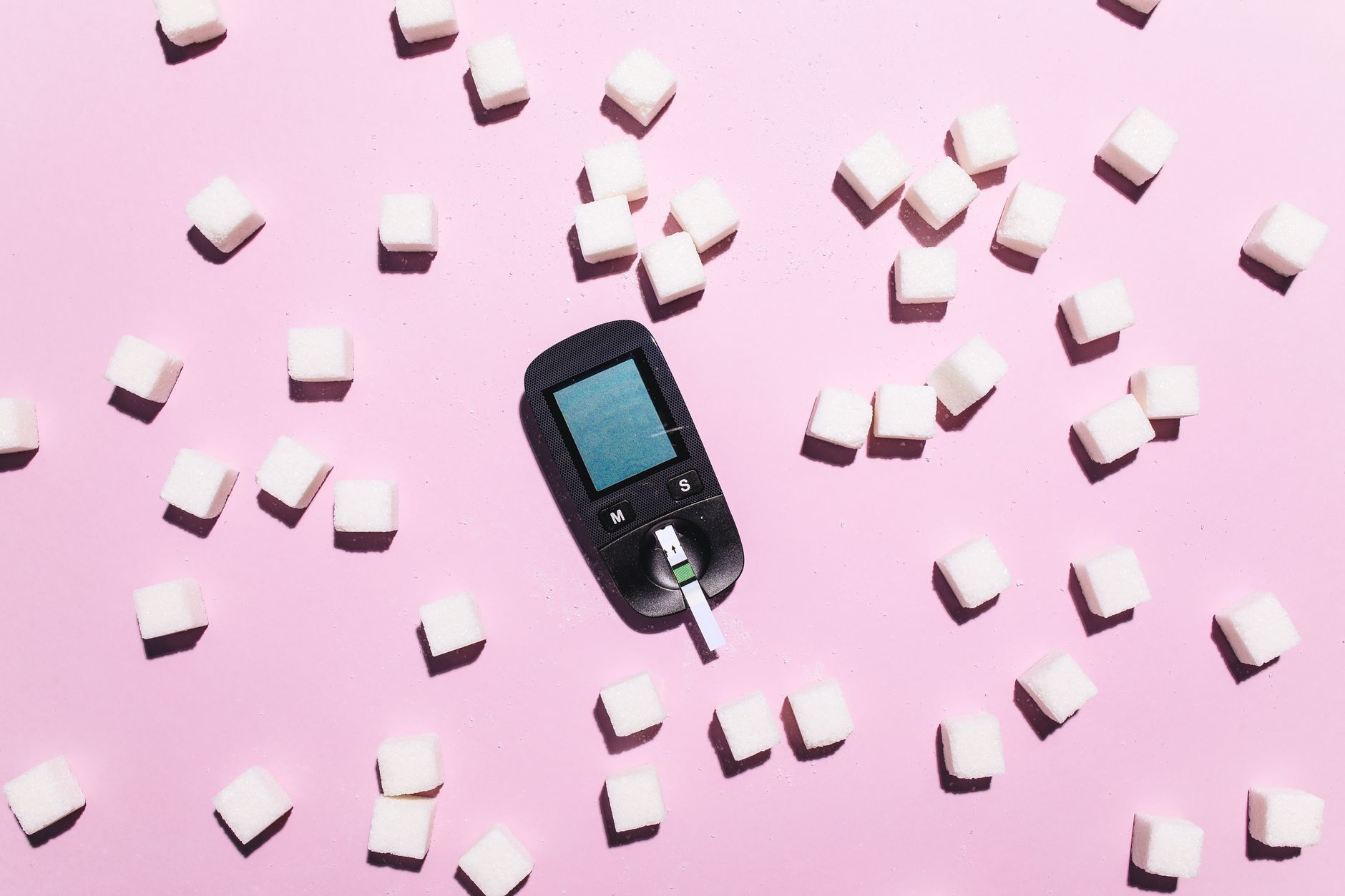
The thought of giving up sweets, especially beloved chocolate, can be a daunting prospect for anyone diagnosed with diabetes. Many people believe that a diabetes diagnosis means an absolute ban on sugary treats. However, the reality is far more nuanced. With the right knowledge and careful choices, individuals with diabetes can often enjoy chocolate as part of a balanced and healthy eating plan. This guide aims to demystify the relationship between diabetes and chocolate, offering practical advice for enjoying this treat safely and deliciously. It's a common misconception that people with diabetes must completely avoid all forms of chocolate. While it's true that managing blood sugar levels is paramount, this doesn't necessarily mean a life devoid of pleasure. The key lies in moderation, mindful selection, and understanding how different types of chocolate impact your body. Think of it less as a strict prohibition and more as a strategic integration. Understanding Diabetes and Diet Before diving into chocolate specifics, let's briefly touch upon diabetes management. Diabetes is a chronic condition that affects how your body uses blood sugar (glucose). When you have diabetes, your body either doesn't produce enough insulin or can't effectively use the insulin it produces. Insulin is a hormone that helps glucose move from your bloodstream into your cells for energy. Managing diabetes typically involves a combination of: Medication: This can include insulin injections or oral medications prescribed by your doctor. Diet: A balanced, healthy diet is fundamental. This isn't just about avoiding sweets; it's about consuming nutrient-rich foods that help maintain stable blood glucose levels. Physical Activity: Regular exercise plays a vital role in improving insulin sensitivity and managing weight. Your diet is a powerful tool in keeping your blood glucose levels within your target range, managing your weight, and preventing or delaying long-term diabetes complications like heart disease and kidney problems. Your healthcare team, including your doctor and a registered dietitian, will work with you to create a personalized meal plan. This plan considers your medication, activity level, and personal preferences, helping you make informed food choices. The Benefits and Drawbacks of Chocolate for Diabetics Chocolate, particularly dark chocolate, is not entirely without its potential benefits. The magic ingredient here is cocoa, which is rich in flavonoids. These powerful antioxidants have been studied for their positive effects on health: Improved Insulin Sensitivity: Flavonoids may help reduce insulin resistance and enhance how well your body's cells respond to insulin. This is a significant win for blood sugar management. Better Endothelial Function: The endothelium is the inner lining of blood vessels. Flavonoids can improve its function, which is crucial for maintaining healthy blood flow and reducing the risk of cardiovascular issues – a common concern for individuals with diabetes. Antioxidant Power: Flavonoids combat oxidative stress in the body, which can contribute to inflammation and chronic diseases. However, it's essential to balance these potential benefits with the realities of chocolate consumption. The drawbacks are primarily linked to the sugar and fat content, as well as portion size: Blood Sugar Spikes: Many commercially available chocolates are loaded with added sugars. Consuming these can lead to rapid increases in blood glucose levels, making management more challenging. Weight Gain: Chocolate is calorie-dense. Overconsumption can contribute to weight gain, which can further complicate diabetes management and increase the risk of other health issues. Saturated and Trans Fats: Some chocolates, especially those with added fats, can contain unhealthy saturated and trans fats, which are detrimental to heart health – a critical consideration for diabetics. A real-life scenario: Priya, a 45-year-old diagnosed with Type 2 diabetes, loves her evening cup of chai with a small biscuit. She noticed her morning blood sugar readings creeping up. Upon discussing with her dietitian, she realized the sugary biscuits were the culprit. Her dietitian suggested swapping the biscuit for a small square of 70% dark chocolate a couple of times a week, which helped satisfy her craving without causing a significant sugar spike. Choosing the Right Chocolate Not all chocolates are created equal, especially when you have diabetes. Understanding the differences is key to making a safe choice: Dark Chocolate: The Healthier Choice When opting for chocolate, dark chocolate is generally the preferred choice for several reasons: Higher Cocoa Content: Look for dark chocolate with at least 70% cocoa solids. The higher the cocoa percentage, the more flavonoids and less sugar it typically contains. Stronger Flavor: The intense flavor of dark chocolate can be more satisfying, meaning you're likely to eat less of it to feel content. Lower Sugar: Compared to milk or white chocolate, dark chocolate usually has less added sugar. Milk Chocolate and White Chocolate: Proceed with Caution Milk chocolate contains more milk solids and sugar, and less cocoa solids. White chocolate, on the other hand, doesn't contain cocoa solids at all; it's made from cocoa butter, sugar, and milk. These types of chocolate offer minimal to no flavonoid benefits and are much higher in sugar and calories. They are best avoided or consumed in very small, infrequent amounts. Portion Control is Key Even the healthiest dark chocolate should be consumed in moderation. A typical recommended serving size is a small square or about 1 ounce (28 grams). Always check the nutrition label for carbohydrate content, sugar, and calories. This information is vital for accurately adjusting your insulin or medication if needed and for fitting it into your overall meal plan. Incorporating Chocolate into Your Diabetes Diet Plan Integrating chocolate into your diet requires a thoughtful approach. Here are some practical tips: Read Nutrition Labels Carefully Before buying any chocolate product, take a moment to scrutinize the nutrition facts label. Pay close attention to: Serving Size: Ensure you understand what constitutes one serving. Total Carbohydrates: This is crucial for calculating insulin doses or managing your daily carb intake. Added Sugars: Aim for chocolates with the lowest possible amount of added sugars. Fiber Content: Some dark chocolates contain fiber, which can help slow down sugar absorption. Adjust Your Meal Plan If you plan to have a small piece of chocolate, you might need to adjust your carbohydrate intake at your next meal or snack. Discuss this with your dietitian or doctor. They can help you understand how to balance your carbohydrate consumption throughout the day to keep your blood sugar stable. Consider Sugar-Free or Low-Sugar Options The market offers various chocolate products sweetened with sugar substitutes like stevia, erythritol, or xylitol. While these can be good alternatives, always check the ingredients list. Some sugar-free products may still contain carbohydrates or unhealthy fats. Also, be mindful of potential digestive side effects from sugar alcohols. Diabetes-Friendly Chocolate Recipes Looking for ways to enjoy chocolate flavor without the usual sugar overload? The American Diabetes Association's Diabetes Food Hub is an excellent resource for recipes. Here are some ideas often found there: Healthier Chocolate Cake: Opt for recipes that use whole-grain flours, natural sweeteners in moderation, and plenty of cocoa. A gluten-free chocolate mug cake can be a satisfying single-serving treat. Brownies with a Boost: Look for recipes that incorporate fiber-rich ingredients like almond flour or oats, and use sugar substitutes or minimal added sugar. Peanut Butter and Chocolate Bites: These often use dates or other natural sweeteners and are portion-controlled. Cookies Made Smarter: Recipes using alternative flours and reduced sugar can satisfy cookie cravings. Important Note: While many diabetes-friendly recipes are gluten-free, individuals with diabetes do not need to avoid gluten unless they have celiac disease or a diagnosed gluten sensitivity. When to Consult Your Doctor or Dietitian It's always wise to have a conversation with your healthcare provider before making significant changes to your diet, especially when managing a condition like diabetes. Specifically, consult with them about: Incorporating Chocolate: Discuss whether and how you can safely include chocolate in your meal plan. Portion Sizes: Get personalized recommendations on how much chocolate is appropriate for you. Blood Sugar Monitoring: Understand how to monitor your blood glucose levels after consuming chocolate to see its effect on you. Meal Planning Adjustments: Learn how to adjust your meals and medications to accommodate occasional treats. Your doctor or a registered dietitian can provide tailored advice based on your specific health status, blood sugar control, and overall diet. Frequently Asked Questions (FAQ) Can I eat chocolate cake if I have diabetes? You can, but it's best to choose specially prepared diabetes-friendly recipes that use whole grains, less sugar, and healthy fats. Portion control is essential. Commercially prepared cakes are usually very high in sugar and unhealthy fats and should be avoided. Is dark chocolate good for diabetics? Dark chocolate with a high cocoa content (70% or more) can offer some benefits due to its flavonoid content, such as improved insulin sensitivity. However, it still contains calories and carbohydrates, so moderation is key. Always check the nutrition label. What is the best type of chocolate for someone with diabetes? The best type is dark chocolate with at least 70% cocoa. It generally contains less sugar and more beneficial flavonoids compared to milk or white chocolate. How much
In summary, timely diagnosis, evidence-based treatment, and prevention-focused care improve long-term health outcomes.