Psoriasis, a chronic autoimmune condition, affects millions worldwide, causing uncomfortable, itchy, and scaly patches on the skin. While medical treatments like creams, ointments, medications, and light therapy are primary interventions, many individuals seek complementary approaches to manage their symptoms. Emerging research suggests that what you eat can play a significant role in alleviating psoriasis. This blog post explores the connection between diet and psoriasis, offering practical advice for Indian readers looking to manage their condition through food choices.
Understanding Psoriasis: More Than Just Skin Deep
Before diving into diet, it's essential to understand psoriasis. It's not contagious, but it's an inflammatory condition where the body's immune system mistakenly attacks healthy skin cells. This leads to a rapid buildup of skin cells, creating the characteristic red, silvery scales. Psoriasis can appear at any age, often with two peaks: one in young adulthood (20-30 years) and another in later life (50-60 years). The symptoms can range from mild to severe, impacting not just physical comfort but also emotional well-being.
The Gut-Skin Connection and Inflammation
Why does diet matter for psoriasis? The answer often lies in inflammation. Psoriasis is fundamentally an inflammatory disease. Certain foods can either promote or reduce inflammation in the body. For individuals with psoriasis, adopting an anti-inflammatory diet can be a powerful strategy. The gut-skin axis also plays a role; a healthy gut microbiome can influence skin health and immune responses. Conversely, an imbalanced gut might contribute to systemic inflammation, potentially worsening psoriasis.
Dietary Strategies for Psoriasis Management
While research is ongoing and individual responses vary, several dietary approaches show promise in managing psoriasis symptoms:
1. Embrace Anti-Inflammatory Foods
Focus on foods rich in antioxidants and omega-3 fatty acids. These can help combat inflammation throughout the body:
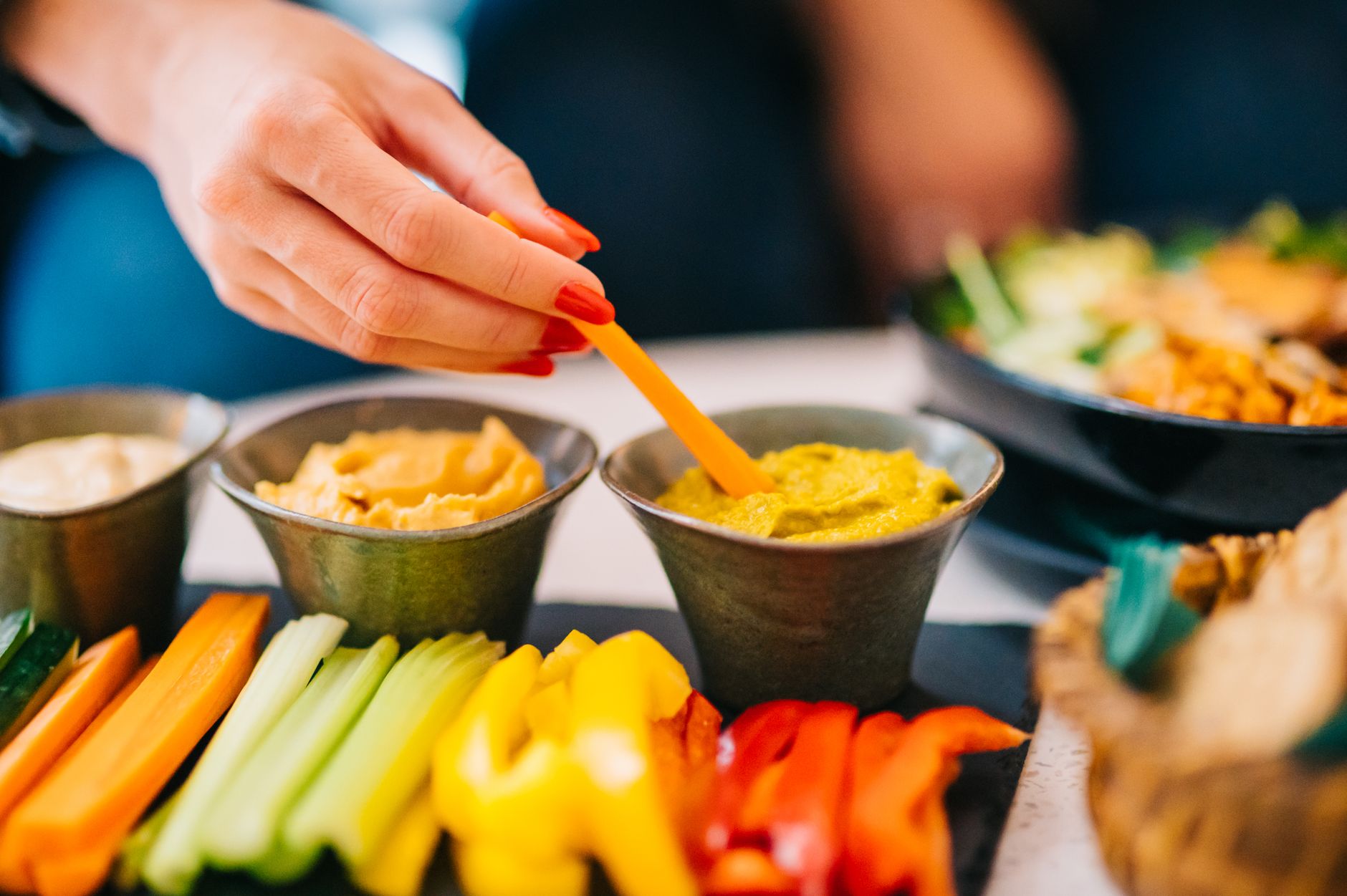
- Fruits and Vegetables: Load up on a colourful variety! Berries, leafy greens (like spinach and kale), broccoli, tomatoes, and bell peppers are packed with vitamins, minerals, and antioxidants. Aim for at least five servings a day. Think of a vibrant salad with your lunch and adding extra veggies to your dal or sabzi.
- Fatty Fish: Fish like salmon, mackerel, and sardines are excellent sources of omega-3 fatty acids, known for their anti-inflammatory properties. Including fish a couple of times a week can be beneficial. If you're vegetarian, consider algae-based omega-3 supplements, but always consult your doctor first.
- Nuts and Seeds: Almonds, walnuts, flaxseeds, and chia seeds provide healthy fats and fibre. A small handful of walnuts as a snack can be a good choice.
- Olive Oil: Extra virgin olive oil is a staple in the Mediterranean diet and is rich in monounsaturated fats and antioxidants. Use it for cooking and dressing salads.
2. Consider Gluten and Dairy Sensitivities
Some studies suggest a link between gluten intake and psoriasis flare-ups in certain individuals. Gluten is a protein found in wheat, barley, and rye. If you suspect gluten might be a trigger, a gluten-free diet could offer relief. This might involve switching to rice, jowar, bajra, or ragi for your rotis and other grains.
Similarly, some people with psoriasis find that dairy products can exacerbate their symptoms. If you notice a connection, try reducing or eliminating dairy for a few weeks to see if it makes a difference.
Real-life scenario: Priya, a 35-year-old software engineer, noticed her psoriasis worsened after eating her favourite cheesy pizza. She decided to try a dairy-free week and swapped her usual wheat parathas for jowar rotis. To her surprise, her itching reduced significantly, and her skin patches looked less angry.
3. Limit Pro-Inflammatory Foods
Certain foods can increase inflammation and potentially worsen psoriasis:
- Processed Foods: Foods high in sugar, refined carbohydrates, unhealthy fats, and excessive salt can promote inflammation. This includes most packaged snacks, fast food, and sugary drinks.
- Red Meat and Processed Meats: These can be high in saturated fats, which may contribute to inflammation.
- Sugary Drinks and Added Sugars: Sodas, sweetened teas, and sweets can trigger inflammatory responses.
- Unhealthy Fats: Trans fats found in fried foods and some baked goods, and excessive saturated fats, should be avoided.
4. The Role of Weight Management
Obesity is often linked to increased inflammation in the body, which can exacerbate psoriasis. A balanced, calorie-controlled diet that promotes healthy weight loss can therefore lead to an improvement in psoriasis symptoms. Focusing on whole foods, portion control, and regular physical activity is key.
Specific Diets and Their Potential Impact
The Mediterranean Diet
This diet, rich in fruits, vegetables, whole grains, legumes, nuts, seeds, olive oil, and fish, is naturally anti-inflammatory. It aligns well with the recommendations above and has shown promise in studies for improving psoriasis symptoms.
Low-Calorie Diets
Some research indicates that reduced-calorie diets, leading to weight loss, can improve psoriasis severity, especially when combined with conventional treatments. This suggests that managing overall calorie intake is important.
When to Consult a Doctor or Dietitian
While dietary changes can be very helpful, they are not a replacement for medical treatment. Always consult your dermatologist before making significant changes to your diet, especially if you have other health conditions or are on medication. A registered dietitian or nutritionist can help you create a personalized meal plan that is safe, effective, and suitable for your lifestyle and cultural food preferences in India.
Key Takeaways for Indian Readers
- Embrace local produce: Focus on seasonal fruits and vegetables readily available in India.
- Choose whole grains: Opt for whole wheat, jowar, bajra, ragi, and brown rice over refined grains.
- Healthy fats: Use mustard oil, groundnut oil, or olive oil in moderation. Include nuts and seeds.
- Lean protein: Include lentils (dal), beans, fish, and poultry.
- Limit processed foods: Reduce intake of fried snacks, sugary biscuits, and packaged meals.
Frequently Asked Questions (FAQ)
Can I completely cure psoriasis with diet?
No, diet alone cannot cure psoriasis. It is a chronic condition that requires ongoing medical management. However, dietary changes can significantly help manage symptoms and reduce flare-ups.
Are there any specific Indian foods that can worsen psoriasis?
While there are no universally
What This Means In Daily Life
Most people do not notice early warning signs right away. That is common. A simple symptom diary, basic routine checks, and timely follow-up visits can prevent small problems from becoming serious.
If you are already on treatment, stay consistent with medicines and lifestyle advice. If your symptoms change, do not guess. Check with a qualified doctor and update your plan early.
Simple Action Plan
Write down symptoms, triggers, and timing for a few days.
Carry old prescriptions and test reports to your consultation.
Ask clearly about side effects, red-flag signs, and follow-up dates.
Seek urgent care for severe pain, breathing trouble, bleeding, fainting, or sudden worsening.