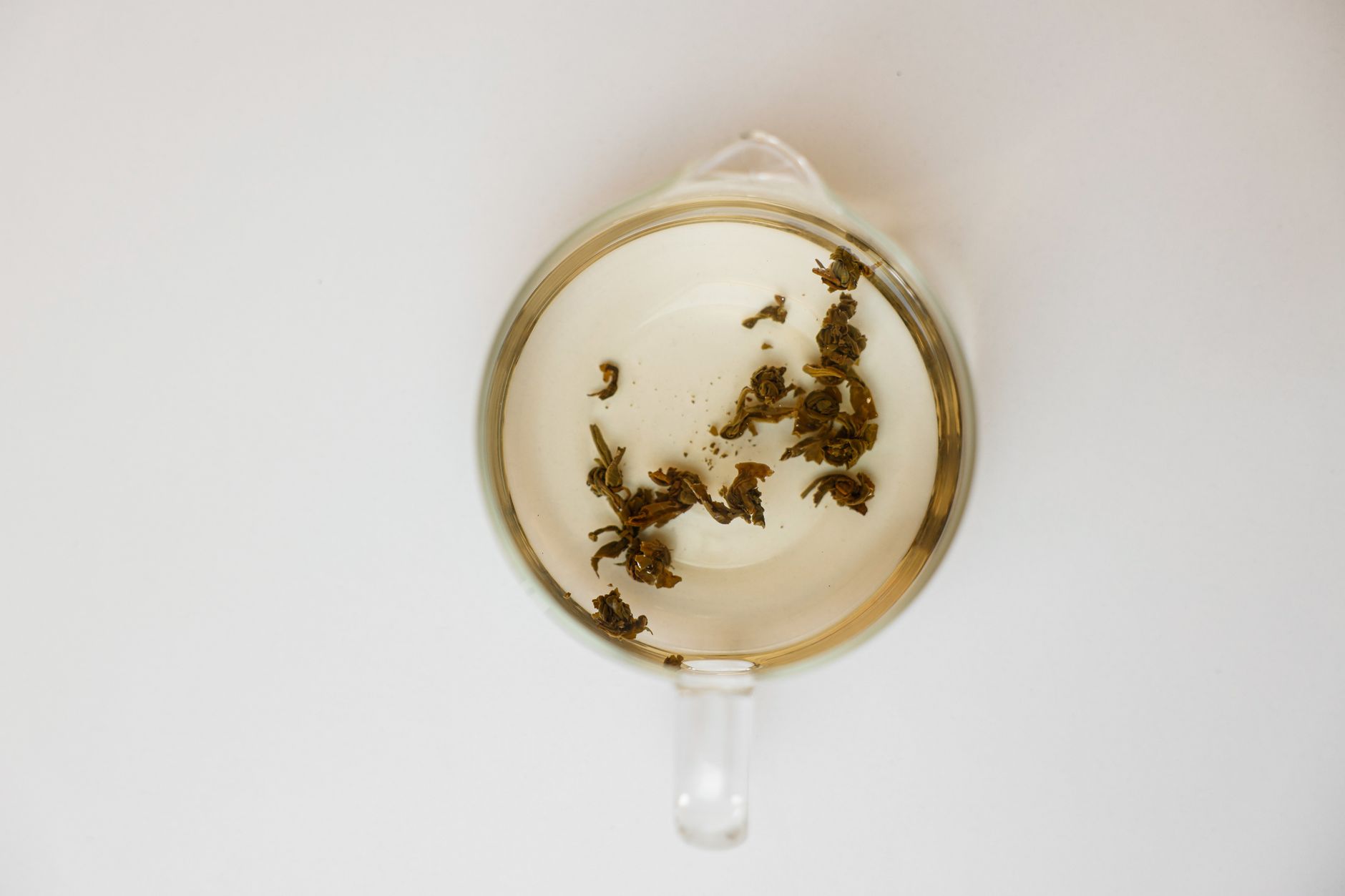
Are you tired of battling stubborn acne and looking for natural ways to achieve clearer skin? You might have heard whispers or seen online discussions about drinking spearmint tea as a potential solution. The idea is intriguing: what if a simple, soothing cup of tea could help manage breakouts? While topical treatments like tea tree oil and salicylic acid have been around for ages, the concept of using spearmint tea internally for acne is gaining traction, especially for hormonal acne. But does the science support this popular claim?
Spearmint tea is brewed from the leaves of the spearmint plant, scientifically known as Mentha spicata. This fragrant herb, known for its sweet, minty aroma and flavor, has been used in traditional remedies for various health issues. Its potential benefits for skin health, particularly acne, are thought to stem from its unique properties. Let’s explore what makes spearmint tea a subject of interest for skincare enthusiasts.
Understanding the Science Behind Spearmint Tea and Acne
The buzz around spearmint tea for acne largely centers on its potential to influence hormones. Androgens, often referred to as male hormones (though present in both men and women), play a significant role in acne development. When androgen levels are high, they can stimulate the sebaceous glands in your skin to produce excess sebum, or oil. This excess oil, combined with dead skin cells, can clog pores, creating a breeding ground for acne-causing bacteria.
Spearmint tea is believed to possess anti-androgen properties. This means it might help to reduce the levels or effects of these hormones in the body. By potentially moderating androgen activity, spearmint tea could, in theory, help decrease sebum production and, consequently, reduce breakouts, especially those linked to hormonal fluctuations.
Beyond its anti-androgen potential, spearmint tea is also recognized for other beneficial compounds. Research suggests it contains polyphenols, such as rosmarinic acid. These compounds are known for their:
- Anti-inflammatory properties: Inflammation is a key factor in the redness and swelling associated with acne. Spearmint tea may help calm this inflammation.
- Antioxidant properties: Antioxidants help protect your body's cells from damage caused by free radicals. While not directly an acne treatment, overall cellular health supports skin health.
- Antibacterial properties: Certain bacteria on the skin can contribute to acne. The antibacterial nature of spearmint tea might offer some defense.
These properties, combined with the anti-androgen effects, paint a picture of why spearmint tea is a promising candidate for natural acne management. However, it's important to note that much of the evidence linking spearmint tea directly to acne improvement is still emerging, and many compelling testimonials come from anecdotal experiences.
What Does the Research Say?
While the potential mechanisms are promising, direct scientific studies specifically on drinking spearmint tea for acne treatment are limited. Much of the current understanding is extrapolated from studies on its general properties and a few small studies focusing on hormonal effects.
One notable study, published in the Journal of Medicinal Food, highlighted the presence of polyphenols in spearmint tea and their anti-inflammatory and antioxidant effects. Another study in Phytotherapy Research specifically explored spearmint's anti-androgen potential. These findings provide a scientific basis for why spearmint tea *might* be beneficial for hormonal acne.
However, it's crucial to understand that these studies often examine concentrated extracts or focus on specific compounds, not always the brewed tea in typical consumption amounts. Large-scale clinical trials directly assessing the efficacy of drinking spearmint tea for acne in diverse populations are still needed to draw definitive conclusions.
Anecdotal Evidence: The Power of Personal Experience
Despite the scarcity of extensive clinical research, the internet is filled with personal accounts of individuals who have experienced significant improvements in their acne after incorporating spearmint tea into their daily routine. Many report a noticeable reduction in inflammatory lesions and fewer new breakouts, particularly those that tend to appear around their menstrual cycle.
Consider Sarah, a 28-year-old marketing professional in Mumbai. She struggled with persistent hormonal acne along her jawline for years, trying various topical treatments with limited success. Frustrated, she started drinking two cups of spearmint tea daily, following a suggestion from an online forum. Within a month, she noticed fewer painful cysts and a general improvement in her skin's texture. She continues to drink it regularly, finding it a simple and comforting addition to her self-care routine.
These personal stories, while not scientific proof, offer valuable insights and can be a source of hope and motivation for others facing similar skin concerns. They highlight the potential of natural remedies and encourage further exploration.
Proven Benefits of Spearmint Tea (Beyond Acne)
Spearmint tea isn't just a potential acne fighter; it has a history of being used for other health benefits. Researchers have explored its effects on various conditions:
- Digestive Health: Like other mint teas, spearmint can help soothe an upset stomach and ease indigestion.
- Bad Breath: Its refreshing minty flavor can help combat halitosis.
- Stress Reduction: Some studies suggest that the aroma of mint can have a calming effect, potentially reducing stress levels.
- Cognitive Function: Preliminary research indicates that spearmint may have benefits for memory and cognitive performance, though more studies are needed.
These established or potential benefits add to the overall appeal of spearmint tea as a healthy beverage choice.
Are There Any Downsides or Side Effects?
Spearmint tea is generally considered safe for most people when consumed in moderate amounts. It's a natural product with a low risk of adverse effects.
However, as with any herbal remedy, consuming excessive quantities might lead to some discomfort. Some individuals might experience:
- Digestive Upset: Drinking very large amounts could potentially cause nausea, vomiting, or diarrhea. The exact
What This Means In Daily Life
Most people do not notice early warning signs right away. That is common. A simple symptom diary, basic routine checks, and timely follow-up visits can prevent small problems from becoming serious.
If you are already on treatment, stay consistent with medicines and lifestyle advice. If your symptoms change, do not guess. Check with a qualified doctor and update your plan early.
Simple Action Plan
Write down symptoms, triggers, and timing for a few days.
Carry old prescriptions and test reports to your consultation.
Ask clearly about side effects, red-flag signs, and follow-up dates.
Seek urgent care for severe pain, breathing trouble, bleeding, fainting, or sudden worsening.