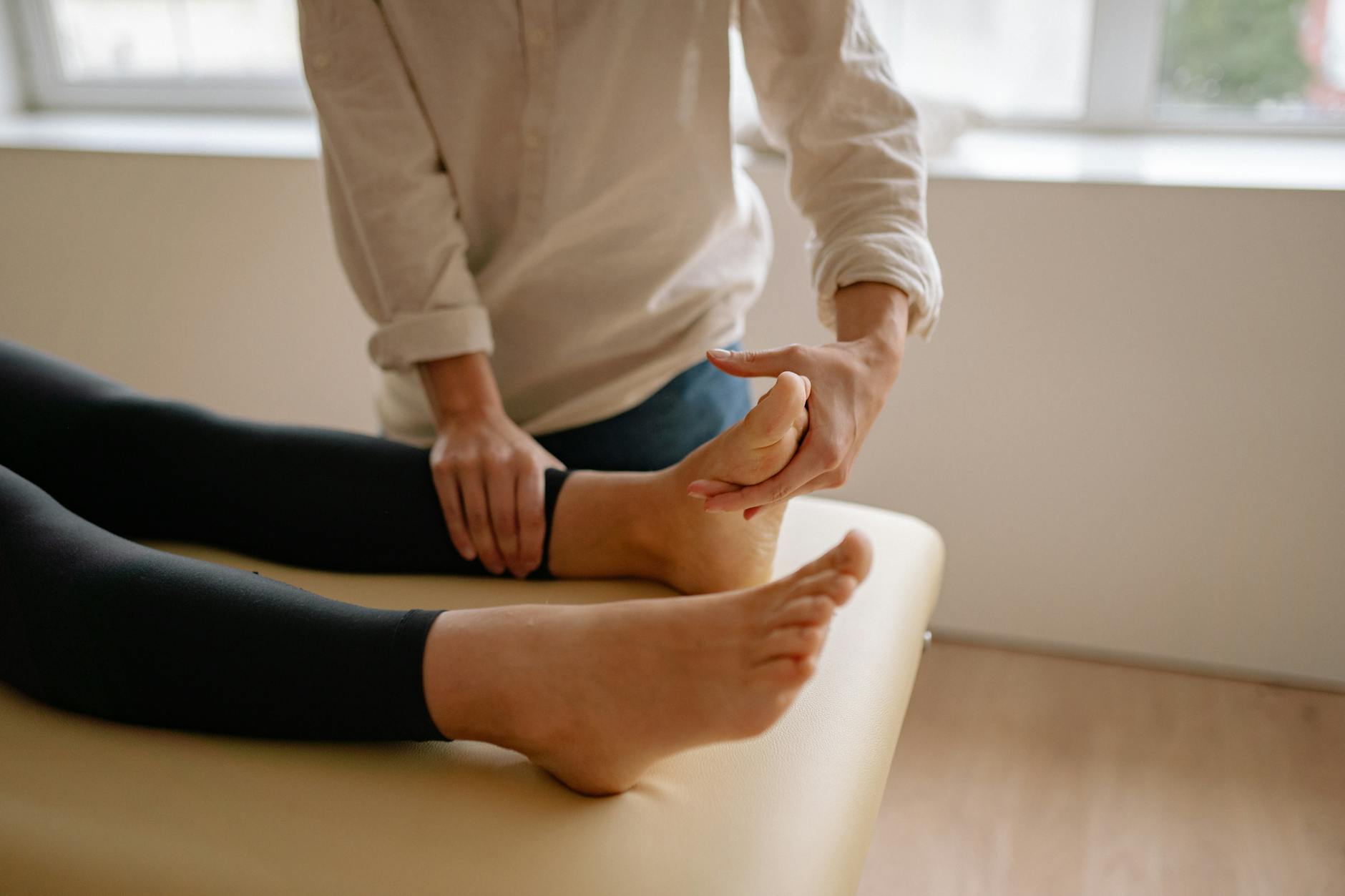
Diabetes. It's a word that can bring about a whirlwind of thoughts, from daily management to long-term health. For many in India, managing this chronic condition means a strict regimen of diet, exercise, and medication. But what if there was another, perhaps more relaxing, avenue to explore? We're talking about massage. You might be wondering, 'Can a massage really help with diabetes?' It's a valid question! While it's not a magic bullet or a replacement for your doctor's advice, emerging research suggests that massage therapy could offer some surprising benefits for people living with diabetes. Think of it as a complementary therapy – something that works alongside your existing treatment plan to improve your quality of life. In this article, we'll dive into what the science says about massage and diabetes. We'll explore how different types of massage might impact blood sugar, nerve pain, circulation, and more. We'll also be upfront about potential risks and what you need to consider before booking that massage appointment. Understanding Diabetes and Its Complications Before we get to the massage table, let's quickly recap why managing diabetes is so important and the common challenges people face. Diabetes, in its simplest form, is a condition where your body either doesn't produce enough insulin or can't effectively use the insulin it makes. Insulin is key to letting sugar (glucose) from your blood enter your cells for energy. When this process goes awry, blood glucose levels can rise too high, leading to a cascade of health problems over time. Some of the most common complications that people with diabetes grapple with include: Peripheral Neuropathy: This is nerve damage, often starting in the feet and legs. It can cause numbness, tingling, pain, and a loss of sensation. It's a significant concern because it can lead to unnoticed injuries that might become serious infections. Peripheral Arterial Disease (PAD): This happens when plaque builds up in the arteries that supply blood to your limbs, reducing circulation. People with type 2 diabetes are at higher risk for PAD, which can increase the risk of heart attack and stroke. High Blood Glucose Levels: Consistently high blood sugar can damage blood vessels and nerves throughout the body. These complications can significantly impact daily life, causing discomfort and raising the stakes for overall health. So, any complementary therapy that might help ease these burdens is worth exploring. The Science Behind Massage and Diabetes Now, let's get to the good stuff: how might massage therapy actually help? 1. Lowering Blood Glucose Levels? This is one of the most talked-about potential benefits. Some studies suggest that massage might help lower blood glucose levels in people with diabetes. A review of studies conducted between 2000 and 2018 found significant evidence pointing towards this effect. The idea is that massage might help improve insulin sensitivity and glucose uptake by the cells. However, the researchers also stressed that more studies are needed to confirm these findings and understand the optimal massage techniques for this purpose. 2. Easing Peripheral Neuropathy Symptoms For the roughly 50% of people with diabetes who experience peripheral neuropathy, the pain, numbness, and tingling can be debilitating. Research offers some hope here too. A traditional Chinese medicine foot bath combined with acupoint massage showed improvements in neuropathy symptoms in one study. Another review found that foot massage, specifically, might help alleviate the symptoms associated with diabetic neuropathy. The gentle pressure and increased blood flow from massage could potentially soothe damaged nerves and reduce discomfort. 3. Improving Circulation and Managing PAD When blood flow is compromised, especially in the legs, it poses serious risks. Some research indicates that certain types of massage, like connective tissue massage, could improve circulation in the lower limbs of individuals with type 2 diabetes. This improved blood flow might play a role in slowing the progression of peripheral arterial disease. Better circulation means more oxygen and nutrients reaching the tissues, which is vital for healing and overall limb health. 4. Potential Reduction in Medication Needs? This is a fascinating area. A review of studies suggested that Chinese massage, when used alongside conventional diabetes medication like metformin hydrochloride, might have a complementary effect. This means it could potentially help reduce the amount of medication needed. It's important to remember that this is not about replacing medication, but potentially working with it to achieve better outcomes under medical supervision. Types of Massage That Might Help While research is ongoing, some specific types of massage have been linked to potential benefits: Connective Tissue Massage: This technique focuses on the fascia, the connective tissue that surrounds muscles and organs. It may help improve circulation, particularly in the extremities. Foot Massage: Given that neuropathy often affects the feet first, targeted foot massage can be particularly beneficial for pain relief and improving sensation. Traditional Chinese Medicine (TCM) Foot Bath with Acupoint Massage: This holistic approach combines the benefits of a warm foot bath with targeted pressure point massage, showing promise for neuropathy symptoms. Chinese Massage: Broader applications of Chinese massage techniques have also been studied for their complementary effects in diabetes management. It's worth noting that the effectiveness can vary. Factors like the type of massage, its duration, frequency, and even the individual's response can influence the results. More research is definitely needed to pinpoint the 'best' massage for specific diabetes-related issues. Safety First: Potential Risks and Precautions While massage is generally considered safe for most people, there are some important considerations for individuals with diabetes: Low Blood Sugar (Hypoglycemia): This is perhaps the most significant potential risk, especially for those using insulin. Massage can sometimes lower blood glucose levels, and if this drop is too significant, it can lead to hypoglycemia. One study found that children with diabetes who received massage had noticeably lower blood sugar levels. It's essential to monitor your blood sugar before and after a massage. Bring a Sugar Source: Always carry a quick source of sugar, like glucose tablets, hard candy, or juice, just in case your blood sugar drops too low. Talk to Your Doctor: This is non-negotiable. Before starting any new therapy, including massage, discuss it with your endocrinologist or primary care physician. They can advise you based on your specific health status, medications, and any existing complications. Inform Your Massage Therapist: Be sure to tell your therapist that you have diabetes and mention any complications like neuropathy or PAD. This allows them to tailor the massage appropriately and avoid any sensitive areas. Avoid Deep Tissue Massage on Certain Areas: If you have severe neuropathy or poor circulation, avoid very deep or intense massage on your feet and legs, as it could potentially cause injury or worsen existing issues. When to Consult a Doctor It's always wise to err on the side of caution. You should definitely consult your doctor before trying massage therapy if you: Are newly diagnosed with diabetes. Have poorly controlled blood sugar levels. Are experiencing significant complications like severe neuropathy, PAD, or kidney problems. Are on insulin or other medications that can cause hypoglycemia. Have any open sores or infections on your feet or legs. Your doctor can help you assess the risks and benefits and guide you on whether massage is a suitable addition to your diabetes management plan. The Role of Massage in Diabetes Management Let's be clear: massage is a complementary therapy. It's not a standalone cure or a replacement for the cornerstones of diabetes care: a balanced diet, regular physical activity, prescribed medications, and regular medical check-ups. However, as the research suggests, it can be a valuable tool to help manage symptoms, improve comfort, and enhance your overall well-being. It offers a pathway to potentially alleviate some of the physical discomfort associated with diabetes and promote relaxation, which itself can be beneficial for managing stress levels. Frequently Asked Questions (FAQ) Q1: Can massage cure diabetes? A: No, massage cannot cure diabetes. It is a complementary therapy that may help manage certain symptoms and improve quality of life for people with diabetes. Q2: Is massage safe for all people with diabetes? A: Massage is generally safe, but there are potential risks, especially related to blood sugar levels. It's crucial to consult your doctor and inform your massage therapist about your condition. Q3: How often should I get a massage if I have diabetes? A: There's no one-size-fits-all answer. It depends on your individual needs, your doctor's advice, and how you respond to massage. Some studies involved regular sessions, while others were less frequent. Q4: Can I get a massage if I have diabetic neuropathy? A: Yes, in many cases. Certain types of massage, particularly foot massage, may help relieve neuropathy symptoms. However, avoid deep massage on affected areas if you have severe numbness or poor circulation, and always discuss with your doctor and therapist. Q5: What should I do if my blood sugar drops after a massage? A: If you experience symptoms of low blood sugar (dizziness, shakiness, sweating, confusion), consume a source of fast-acting sugar immediately (glucose tablets, juice, candy) and check your
In summary, timely diagnosis, evidence-based treatment, and prevention-focused care improve long-term health outcomes.