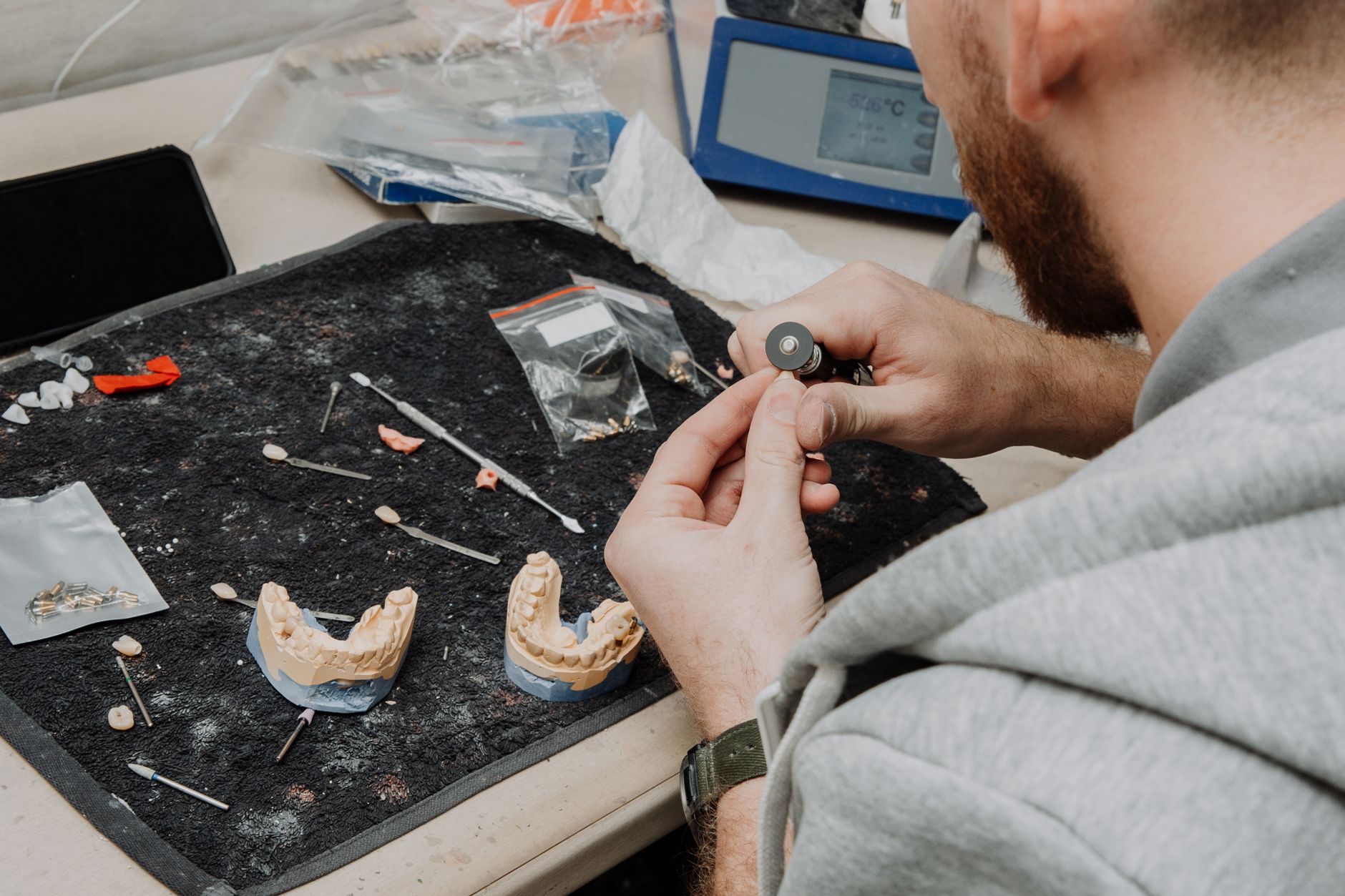
Dentures. They can be a lifesaver for many, restoring smiles and the ability to enjoy food. But like any part of your oral care routine, they need attention. Neglecting your dentures isn't just about aesthetics; it can lead to a cascade of health issues, both in your mouth and potentially beyond. Think of your dentures as an extension of your natural smile – they require daily care, regular check-ups, and the right products to keep them in top shape. This guide dives deep into how to properly clean, maintain, and store your dentures to ensure they serve you well for years to come, safeguarding your oral health and overall well-being.
Why is denture care so vital? It’s simple: bacteria love to set up shop on any surface, and dentures are no exception. Plaque can build up, leading to unpleasant odours, staining, and more seriously, infections. Denture stomatitis, a common condition causing inflammation and soreness in the mouth, is often a direct result of poor denture hygiene. In some cases, bacteria from unclean dentures can even contribute to respiratory infections like pneumonia, especially in older adults. Proper care minimises these risks, keeping your mouth healthy and your dentures functional.
Understanding Denture Hygiene: Key Principles
The Oral Health Foundation, along with a global taskforce, has laid out some fundamental guidelines for denture care. These aren't just suggestions; they are pillars of good practice designed to protect both your dentures and your health:
- Daily Cleaning: This is non-negotiable. Just like brushing your natural teeth, your dentures need daily attention to remove food particles and plaque.
- Antimicrobial Action: The cleaning process should actively combat microorganisms that can thrive on dentures.
- Damage Prevention: Use products and methods that won't harm the denture material, preventing warping, staining, or structural damage.
- Regular Dental Check-ups: Your dentist is your partner in denture care. They can spot issues early and ensure your dentures continue to fit correctly.
One 2016 study highlighted three critical factors for effective denture cleaning: efficacy against microorganisms, prevention of damage to the denture material, and ease of use. Essentially, you need a method that cleans thoroughly without causing harm.
Your Daily Denture Cleaning Ritual
Let's get down to the nitty-gritty. What does a daily denture cleaning routine actually look like? It's more involved than a quick rinse!
- Gather Your Supplies: You'll need a denture brush and a denture cleanser. Avoid using regular toothpaste. Why? Because the abrasive nature of toothpaste can wear down the acrylic material of your dentures over time, leading to scratches that can harbour bacteria and cause staining. Ask your dentist for recommendations, or check the dental hygiene aisle for specifically formulated denture cleaning products.
- Remove and Rinse: Take your dentures out of your mouth. Rinse them under cool or lukewarm running water to dislodge any loose food particles. Never use hot water, as it can warp your dentures.
- Brush Gently: Apply a small amount of denture cleanser to your denture brush. Clean all surfaces of the dentures thoroughly, paying attention to any grooves or clasps. It’s wise to clean your dentures over a soft surface, like a folded towel or a sink lined with a towel. This provides a cushion in case they slip from your grasp, preventing damage.
- Rinse Again: After brushing, rinse the dentures thoroughly under running water to remove all traces of the cleanser.
The Power of Soaking: Deeper Cleaning and Safe Storage
Soaking is an essential part of denture care, offering a deeper clean and a safe place for them to rest when not in use.
Choosing the Right Soaking Solution
Most days, you can soak your clean dentures in plain water or a denture cleanser solution. Always follow the specific instructions on the denture cleanser packaging. Some products are designed for soaking, while others are meant for brief immersion.
Important Note on Bleach: While some denture cleaners contain sodium hypochlorite (a form of bleach), it's crucial to use these with caution. A 2016 study found that bleach can damage the acrylic material of dentures, especially with prolonged exposure. Do not soak your dentures in bleach for more than 10 minutes unless specifically advised by your dentist. If your dentures become stained, professional cleaning is often the best solution.
Overnight Storage: Protect Your Dentures and Your Health
Taking your dentures out at night is strongly recommended. This allows your oral tissues to rest and recover, and it significantly reduces the risk of infections like denture stomatitis. It can also help prevent pneumonia in some individuals, according to a 2014 study.
When you take your dentures out, clean them as described above. If your denture cleanser's instructions don't recommend prolonged soaking, store your clean dentures in a cup of plain water overnight. This prevents them from drying out and warping. Ensure the dentures are fully submerged.
Beyond the Dentures: Caring for Your Mouth
Cleaning your dentures is only half the battle. Remember that the tissues inside your mouth – your gums, tongue, and palate – also need attention, especially when your dentures are out.
Daily Oral Care Routine
- Brush Your Gums, Tongue, and Palate: Use a soft-bristled toothbrush (a regular one is fine for this) to gently brush the inside of your mouth. Focus on your gums, tongue, and the roof of your mouth. Do this twice a day.
- Rinse with Mouthwash: Consider using an antimicrobial mouthwash as recommended by your dentist. This helps kill any remaining bacteria and keeps your mouth feeling fresh.
This comprehensive approach ensures that your entire oral environment remains healthy, not just the surfaces covered by your dentures.
When to See Your Dentist: Regular Check-ups Matter
Think of your dentist as your denture's best friend. Regular dental visits are absolutely essential for denture wearers. Why?
- Fit Adjustments: Over time, your jawbone and gums can change shape, which can cause your dentures to fit poorly. A dentist can make adjustments to ensure a comfortable and secure fit. Ill-fitting dentures can cause sores, difficulty eating, and even affect your speech.
- Professional Cleaning: Dentists have the tools and expertise for a deeper clean, removing stubborn stains or calculus that home care might miss.
- Oral Health Assessment: Your dentist will check for any signs of oral health problems, such as denture stomatitis, oral cancer, or other issues related to denture wear.
- Denture Maintenance: They can advise on the best cleaning products and techniques and identify any wear or damage to your dentures that might require repair.
Aim for a dental check-up at least once a year, or as often as your dentist recommends.
Common Denture Cleaning Mistakes to Avoid
We've covered what to do, but let's highlight what not to do. Avoiding these common pitfalls will save your dentures and your smile:
- Using Regular Toothpaste: As mentioned, it's too abrasive and can damage the denture material.
- Using Hot Water: Hot water can warp dentures, ruining their fit. Stick to cool or lukewarm water.
- Using Harsh Chemicals: Avoid household cleaners or strong bleaches (unless specifically directed by your dentist in very diluted, short-term use). These can damage the acrylic and potentially be harmful if ingested.
- Scrubbing Too Hard: Gentleness is key. Aggressive brushing can scratch the surface.
- Skipping Daily Cleaning: This is the fastest way to accumulate plaque and bacteria.
- Forgetting to Clean Your Mouth: Your oral tissues need care too!
Faqs About Denture Care
Can I use mouthwash to clean my dentures?
You can use an antimicrobial mouthwash as part of your cleaning routine, especially for rinsing after brushing. However, mouthwash alone is not sufficient for cleaning. Always use a dedicated denture cleanser and brush. Avoid alcohol-based mouthwashes, as they can be drying and potentially irritate your oral tissues.
What if my dentures feel loose?
Loose dentures are a common problem that requires professional attention. Do not try to adjust them yourself with glues or adhesives meant for household use. Contact your dentist immediately. They can reline or adjust your dentures to restore a proper fit.
Can I use a whitening toothpaste on my dentures?
No. Whitening toothpastes are highly abrasive and will damage your dentures. Stick to products specifically designed for denture cleaning.
How often should I replace my dentures?
Dentures typically last between 5 to 10 years. However, this can vary depending on the material, how well you care for them, and changes in your mouth. Your dentist will advise you when it’s time for a replacement or significant repair.
What are ineffective cleaning agents?
A 2016 study indicated that certain products are ineffective against the microorganisms found in denture plaque. These include products that are not specifically formulated for denture cleaning. Always opt for clinically proven denture cleansers.
Taking good care of your dentures is an investment in your health. By following these guidelines, you can maintain a healthy mouth, a confident smile, and enjoy the benefits of your dentures for years to come.