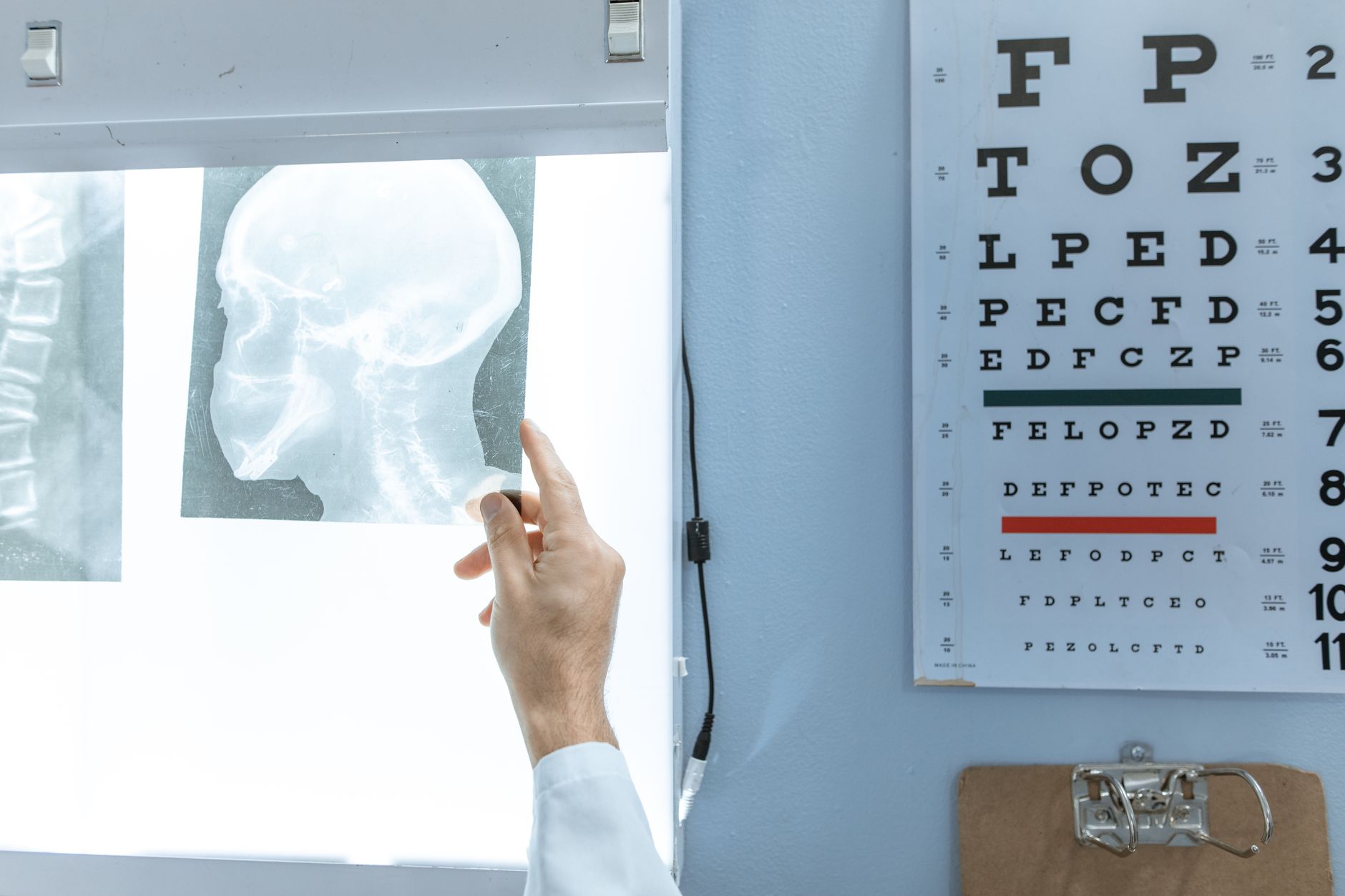
What is Cervical Myelopathy? Cervical myelopathy is a condition that arises from the compression of the cervical spinal cord, which is the part of your spinal cord located in your neck. This spinal cord is crucial as it transmits signals between your brain and the rest of your body. When this cord is compressed, it can lead to a range of symptoms, from mild discomfort to severe neurological issues, including paralysis. It is a common cause of chronic neck pain and is considered the most frequent condition causing spinal impairment globally, according to a 2015 review. Understanding this condition is vital, especially as it becomes more prevalent with age. Causes of Cervical Myelopathy Several factors can contribute to the development of cervical myelopathy. These often relate to changes in the spine that occur with aging or due to repetitive stress: Age-Related Changes As we age, the spinal canal can naturally narrow. The tissues that support the spine may also become less robust, making the spinal cord more vulnerable to compression. This is a common reason for the condition, particularly in individuals over 60. Bone Spurs (Osteophytes) Bone spurs are smooth bony growths that can develop on the vertebrae (the bones of the spine). These spurs can encroach upon the spinal canal, narrowing the space available for the spinal cord and leading to compression. Osteoarthritis, a condition that causes joint inflammation and pain, is often associated with the development of bone spurs, especially in older adults. Degenerative Disc Disease Over time, the intervertebral discs, which act as cushions between the vertebrae, can degenerate. This degeneration can lead to a loss of disc height and can cause the vertebrae to move closer together, potentially compressing the spinal cord. Rheumatoid Arthritis (RA) RA is an autoimmune disease where the body's immune system mistakenly attacks its own tissues, including the soft tissues around the joints. In the cervical spine, RA can cause inflammation and degeneration of the cartilage and tissues, leading to spinal cord compression. Spinal Injuries Traumatic injuries to the neck, such as those from whiplash, can cause damage to the structures supporting the spine. These injuries can lead to fractures, dislocations, or swelling of tissues, all of which can put pressure on the spinal cord and potentially cause or accelerate cervical myelopathy. Congenital Narrowing of the Spinal Canal Some individuals are born with a naturally narrower spinal canal. This genetic predisposition can make them more susceptible to developing cervical myelopathy, even with minor changes or injuries to the spine. Certain genetic conditions, like Down syndrome, are also associated with an increased risk. Signs and Symptoms of Cervical Myelopathy The symptoms of cervical myelopathy typically begin in the neck and can progress over time. Early signs are often subtle, but as the compression worsens, neurological symptoms become more apparent: Early Symptoms: Neck pain or stiffness A feeling of pressure in the neck Progressive Neurological Symptoms: Weakness or tingling: Often felt in the arms, shoulders, and hands. Loss of fine motor skills: Difficulty with tasks requiring precise hand movements, such as picking up small objects or buttoning clothes. Numbness: A persistent lack of sensation in the arms and hands. Spasticity: Sustained muscle contractions that can lead to stiffness and involuntary movements. Balance problems: Difficulty maintaining balance, leading to an increased risk of falls. Changes in gait: Alterations in walking patterns, which can affect mobility. Bowel or bladder dysfunction: In severe cases, compression can affect the nerves controlling these functions. It's important to note that symptoms can develop gradually or appear suddenly, depending on the cause and severity of the compression. Diagnosis of Cervical Myelopathy Diagnosing cervical myelopathy involves a thorough evaluation by a healthcare professional. The process typically includes: Medical History and Physical Examination Your doctor, who may be a general practitioner, orthopedist, or rheumatologist, will start by discussing your symptoms and medical history. A physical examination will follow, focusing on assessing your: Sensation: Testing your ability to feel touch, pain, and temperature. Muscle strength: Evaluating the power in your arms and legs. Reflexes: Checking your body's automatic responses to stimuli. Coordination and balance: Assessing your ability to perform coordinated movements and maintain balance. Imaging Tests If cervical myelopathy is suspected, imaging tests are crucial to visualize the spinal cord and identify the cause and extent of compression. These may include: MRI (Magnetic Resonance Imaging): This is often the preferred test as it provides detailed images of the spinal cord, nerves, and surrounding tissues, allowing doctors to detect compression, inflammation, or damage. X-ray: X-rays can show the alignment of the spine, bone spurs, and degenerative changes in the vertebrae. CT scan (Computed Tomography) with Myelogram: A CT scan provides cross-sectional images of the spine. A myelogram involves injecting a contrast dye into the spinal canal before the CT scan, which can highlight areas of compression more clearly. Treatment Options for Cervical Myelopathy Prompt treatment is essential for cervical myelopathy to prevent further progression and potential long-term complications. The treatment approach depends on the severity of the condition, the underlying cause, and the patient's overall health. Physical Therapy For early-stage or mild cases, physical therapy can be highly beneficial. A physical therapist can design a personalized exercise program to: Improve flexibility and range of motion in the neck. Strengthen the muscles supporting the spine. Enhance balance and coordination. Teach proper posture and body mechanics to reduce strain on the neck. It's crucial to follow the therapist's guidance carefully to avoid aggravating the condition. Medications While there are no specific medications to reverse spinal cord damage, certain drugs may be used to manage symptoms: Pain relievers: Over-the-counter or prescription pain medications can help manage neck pain and discomfort. Anti-inflammatory drugs: Nonsteroidal anti-inflammatory drugs (NSAIDs) can reduce inflammation associated with conditions like rheumatoid arthritis. Muscle relaxants: These may be prescribed to alleviate spasticity and muscle stiffness. Surgery Surgery is often recommended for moderate to severe cases of cervical myelopathy, especially when there is significant spinal cord compression that is not responding to conservative treatments. The goal of surgery is to decompress the spinal cord and stabilize the spine. Common surgical procedures include: Anterior Cervical Discectomy and Fusion (ACDF): In this procedure, the damaged disc and any bone spurs are removed from the front of the neck, and the vertebrae are fused together. Posterior Cervical Laminectomy and Fusion: This involves removing a portion of the bone at the back of the neck (lamina) to create more space for the spinal cord, followed by fusion. The choice of surgical procedure depends on the location and cause of the compression. Prevention of Cervical Myelopathy While not all cases of cervical myelopathy can be prevented, certain lifestyle choices and precautions can help reduce the risk or slow its progression: Maintain good posture: Be mindful of your posture, especially when sitting or working at a desk for long periods. Avoid prolonged neck strain. Regular exercise: Engage in regular physical activity that strengthens your neck and back muscles. Ergonomic adjustments: Ensure your workspace is set up ergonomically to minimize neck strain. Avoid smoking: Smoking can negatively impact spinal health and increase the risk of degenerative conditions. Manage underlying conditions: Effectively manage conditions like arthritis and diabetes, which can contribute to spinal problems. Wear protective gear: If you participate in sports or activities with a risk of neck injury, wear appropriate protective gear. When to Consult a Doctor It is crucial to seek medical attention if you experience any of the following: Persistent neck pain or stiffness that does not improve with rest. Any numbness, tingling, or weakness in your arms or hands. Noticeable loss of fine motor skills or coordination. Balance problems or changes in your walking pattern. A history of neck injury followed by new or worsening symptoms. Early diagnosis and treatment are key to managing cervical myelopathy effectively and preserving neurological function. Frequently Asked Questions (FAQ) Can cervical myelopathy be cured? While the nerve damage caused by cervical myelopathy may not be fully reversible, the condition can be effectively managed and its progression halted with timely treatment. Surgery can decompress the spinal cord, and physical therapy can help regain lost function and improve quality of life. Is cervical myelopathy a permanent condition? The long-term impact of cervical myelopathy depends on the severity of the compression and how early it is treated. With prompt and appropriate medical intervention, many individuals can achieve significant improvement and prevent permanent disability. However, in severe or untreated cases, some degree of permanent neurological deficit may occur. What is the difference between cervical stenosis and cervical myelopathy? Cervical stenosis refers to the narrowing of the spinal canal in the neck. Cervical myelopathy is the *result* of this narrowing (or other forms of compression) causing damage or dysfunction to the spinal cord itself. So, cervical stenosis is a cause, and cervical myelopathy is the consequence affecting the spinal cord. Can I live a normal life with cervical myelopathy? Many people with cervical myelopathy can lead fulfilling lives, especially with early diagnosis and effective treatment. Maintaining a healthy lifestyle,
In summary, timely diagnosis, evidence-based treatment, and prevention-focused care improve long-term health outcomes.