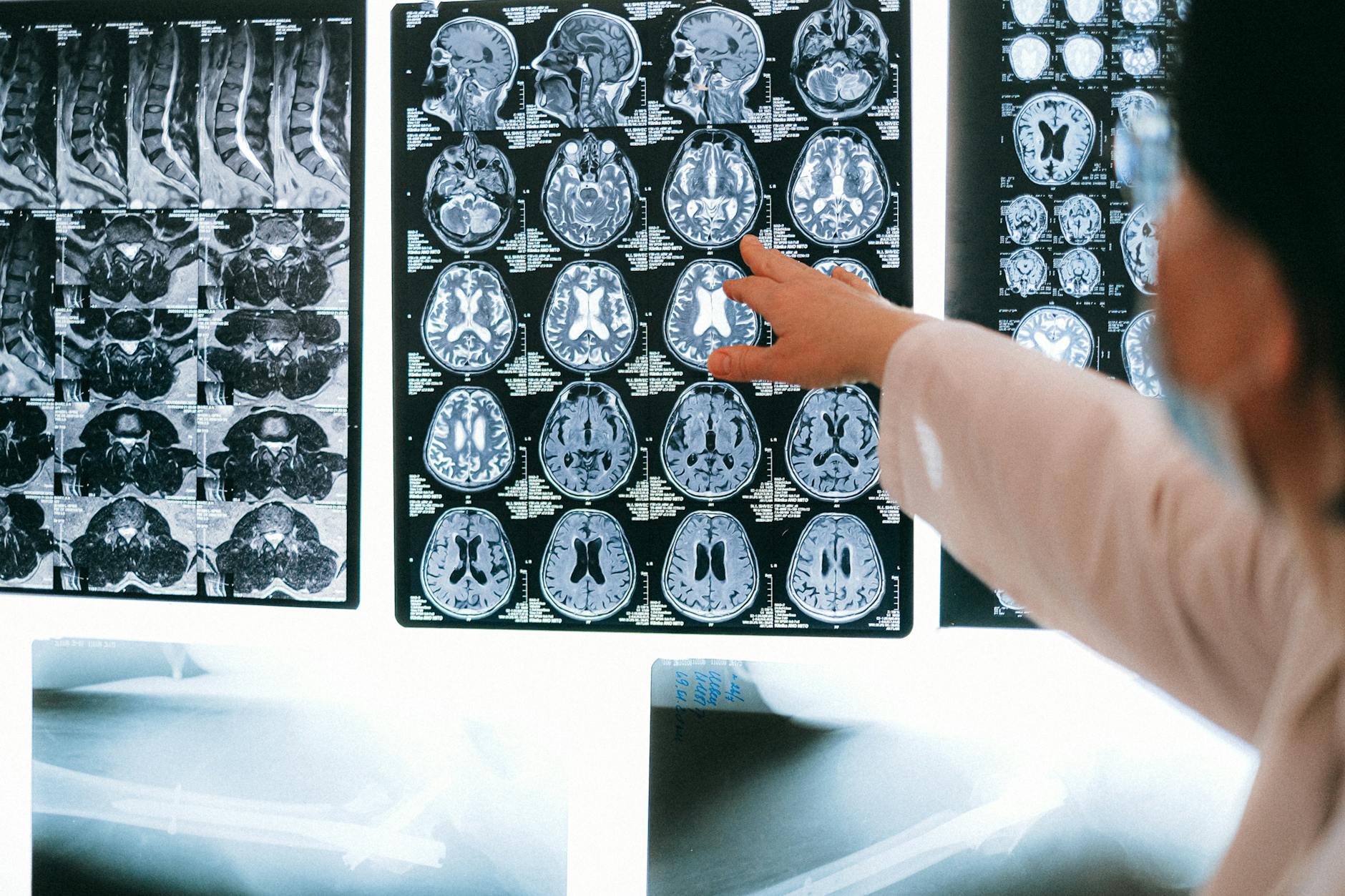
Cholesterol granuloma is a rare, non-cancerous cyst that can form on the skull, typically near the middle ear. While not malignant, these cysts can grow and lead to a variety of concerning symptoms, impacting hearing, vision, and facial nerves. Understanding this condition, its potential causes, and available treatments is crucial for managing its effects and preventing complications.
What is a Cholesterol Granuloma?
A cholesterol granuloma, also known as cholesterol granulomatosis, is a benign (non-cancerous) cyst that develops in the petrous apex, a part of the skull located next to the middle ear. These cysts are filled with fluids, cholesterol crystals, and lipids. They are characterized by their slow but steady growth over time. Although they are not cancerous, their expansion can cause significant damage to surrounding structures, including the ear and nearby nerves, leading to a range of symptoms.
Symptoms of Cholesterol Granuloma
Cholesterol granulomas may not always present symptoms in their early stages. However, as the cyst grows, it can exert pressure on nearby tissues and nerves, leading to noticeable symptoms. The severity and type of symptoms depend largely on the size and precise location of the granuloma. If left untreated, the damage caused by the growing cyst can become permanent, resulting in long-term complications.
Common symptoms associated with cholesterol granulomas include:
- Hearing loss: The cyst can affect the structures of the middle ear, leading to conductive or sensorineural hearing loss.
- Tinnitus: A persistent ringing or buzzing sound in the ear.
- Vertigo or dizziness: The cyst's proximity to the inner ear can disrupt balance mechanisms.
- Facial pain or numbness: Pressure on cranial nerves, particularly the trigeminal nerve, can cause pain, tingling, or numbness in the face.
- Vision problems: If the granuloma affects the optic nerve or surrounding structures, it can lead to blurred vision, double vision, or even vision loss.
- Headaches: Persistent or severe headaches, often localized to the affected side of the head.
- Facial weakness or paralysis: In rare cases, the cyst can compress the facial nerve, leading to weakness or paralysis on one side of the face.
- Seizures: Very large granulomas that extend into the brain cavity can, in extremely rare instances, trigger seizures.
It is important to note that these symptoms can also be indicative of other medical conditions. Therefore, a thorough medical evaluation is necessary for an accurate diagnosis.
Causes of Cholesterol Granuloma
The exact cause of cholesterol granulomas is not fully understood, and research is ongoing. However, several theories attempt to explain their formation:
1. Inflammatory Response to Cholesterol: One prominent theory suggests that cholesterol granulomas develop as an inflammatory response to cholesterol. This process may begin when air cells in the skull become blocked, creating a vacuum. This vacuum can draw in and break down red blood cells. The breakdown of red blood cells releases cholesterol. The body's immune system then reacts to this accumulated cholesterol, triggering an inflammatory response. This inflammation can cause surrounding blood vessels to rupture, leading to bleeding and the formation of a cyst that expands over time.
2. Bone Marrow Destruction: Newer research suggests that the destruction of bone marrow in the petrous apex might be responsible for the development of cholesterol granulomas. The exact mechanisms behind this bone marrow destruction are still being investigated.
Risk Factors: While the causes are not definitive, certain factors may increase the risk:
- Familial Hypercholesterolemia: Some studies have observed a higher incidence in families with this genetic condition, which causes very high cholesterol levels. However, a direct causal link has not been proven.
- Recurrent Middle Ear Infections: Frequent or chronic middle ear infections might play a role in the development of these cysts, possibly by causing inflammation or obstruction within the petrous apex.
More research is needed to fully elucidate the underlying causes and risk factors.
Diagnosis of Cholesterol Granuloma
Diagnosing a cholesterol granuloma typically begins with a comprehensive medical history and physical examination. Your doctor will inquire about your symptoms and any relevant medical conditions. Given the location and potential impact on hearing and nerves, a thorough neurological and otological (ear-related) examination will be performed.
To confirm the diagnosis and differentiate it from other conditions, imaging tests are essential:
- CT Scan (Computed Tomography): A CT scan provides detailed cross-sectional images of the skull and temporal bone. It can help identify the presence of a cyst, its size, location, and its effect on surrounding bone structures.
- MRI Scan (Magnetic Resonance Imaging): An MRI scan offers even more detailed images of soft tissues, including nerves and the brain. It is particularly useful for visualizing the contents of the cyst and assessing its impact on cranial nerves and other soft tissues. MRI can also help distinguish cholesterol granulomas from other types of lesions, such as cholesteatomas, meningiomas, or other types of cysts.
In some cases, if the imaging results are unclear or if there is suspicion of other conditions, further diagnostic steps might be considered, though biopsy is rarely performed due to the location and nature of the cyst.
Treatment for Cholesterol Granuloma
The treatment approach for a cholesterol granuloma depends on several factors, including the size of the cyst, the severity of symptoms, and the rate of its growth. The primary goal of treatment is to alleviate symptoms, prevent further damage, and reduce the risk of recurrence.
Surgery: Surgical intervention is the most common and effective treatment for cholesterol granulomas. The surgical procedure aims to drain the cyst and remove its contents. This can be done through various surgical approaches, depending on the cyst's location and size. Common surgical techniques include:
- Endoscopic Transnasal Surgery: This minimally invasive approach uses an endoscope inserted through the nose to access and drain the cyst. It often results in a quicker recovery and less discomfort.
- Mastoidectomy: This procedure involves accessing the cyst through the mastoid bone behind the ear.
- Craniotomy: In cases of very large or complex cysts, a craniotomy (opening of the skull) might be necessary to gain access and remove the granuloma.
The surgical goal is to create a pathway for the cyst's contents to drain into the middle ear or nasal cavity, preventing fluid accumulation and cyst reformation. In some instances, the cyst lining may also be treated to minimize recurrence.
Observation: For very small cholesterol granulomas that are not causing significant symptoms and show no signs of growth, a period of observation with regular imaging follow-ups might be considered. However, given their potential for growth and damage, active treatment is usually preferred.
Prevention of Cholesterol Granuloma
Currently, there are no specific preventive measures for cholesterol granulomas, as their exact causes are not fully understood. However, managing known risk factors may play a role:
- Prompt Treatment of Ear Infections: Seeking timely medical attention for middle ear infections and ensuring they are fully treated can help prevent potential complications in the petrous apex.
- Managing Cholesterol Levels: While the link is not definitively proven, maintaining healthy cholesterol levels through diet, exercise, and medication if prescribed, might be beneficial, especially for individuals with a family history of hypercholesterolemia.
Given the rarity of the condition, focusing on general ear health and prompt medical care for any ear-related issues is the most practical approach.
When to Consult a Doctor
It is crucial to consult a doctor if you experience any of the symptoms associated with cholesterol granulomas, especially if they are persistent or worsening. This includes:
- Sudden or progressive hearing loss
- Persistent ringing in the ears (tinnitus)
- Dizziness or vertigo
- Unexplained facial pain, numbness, or weakness
- Vision disturbances
- Severe or persistent headaches
Early diagnosis and intervention are key to managing cholesterol granulomas effectively and preventing long-term complications. Do not ignore these symptoms; seek professional medical advice promptly.
Frequently Asked Questions (FAQ)
Q1: Is cholesterol granuloma a type of cancer?
A1: No, cholesterol granuloma is a benign, non-cancerous cyst. However, its growth can cause significant damage to surrounding tissues.
Q2: Can cholesterol granuloma go away on its own?
A2: Cholesterol granulomas typically do not resolve on their own. They tend to grow and require medical intervention, usually surgery, for effective treatment.
Q3: What are the long-term effects of untreated cholesterol granuloma?
A3: Untreated cholesterol granulomas can lead to permanent hearing loss, nerve damage, vision impairment, and chronic facial pain.
Q4: How long does recovery take after surgery for cholesterol granuloma?
A4: Recovery time varies depending on the surgical approach and the individual's healing process. Minimally invasive procedures may have a shorter recovery period compared to more extensive surgeries.