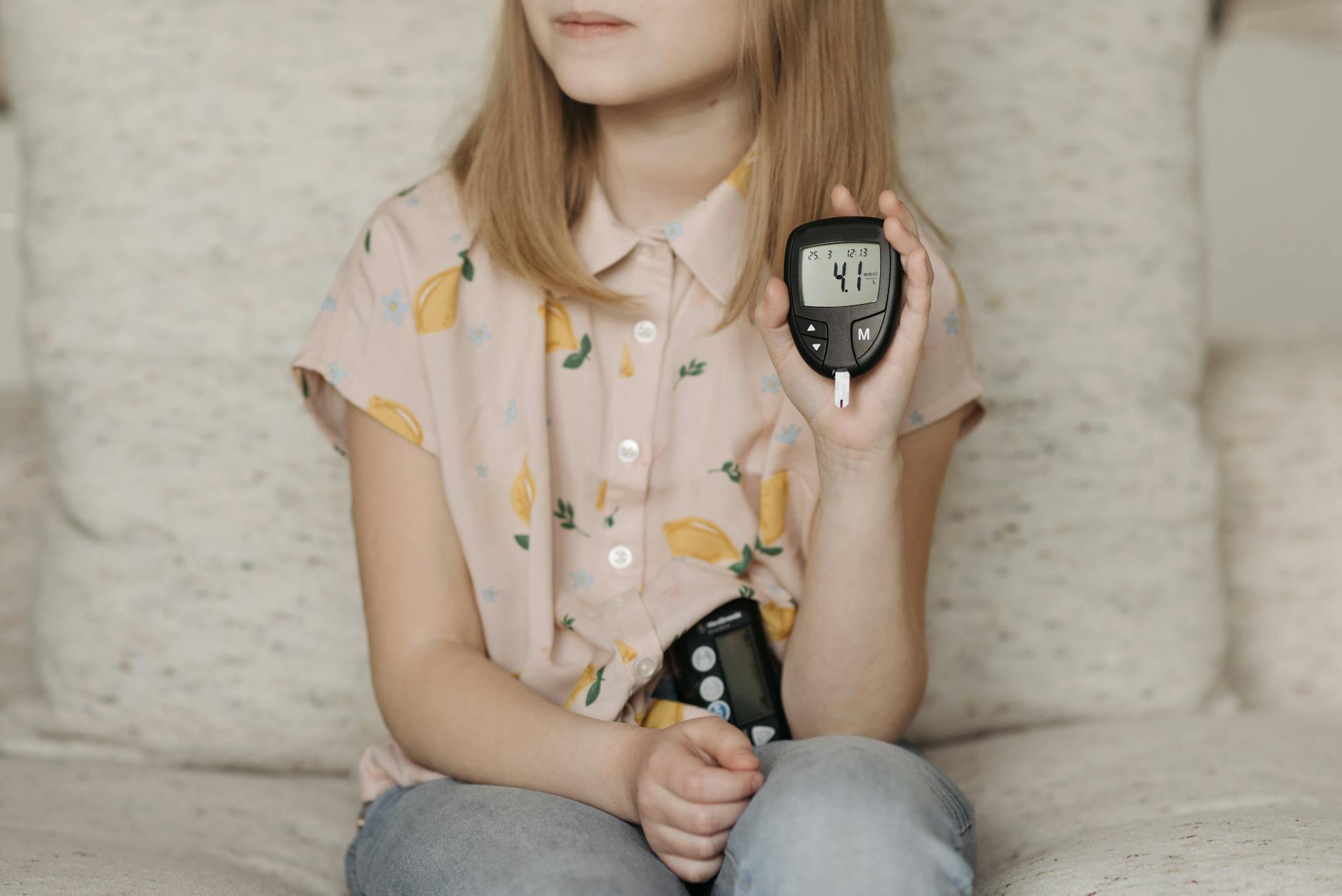
Living with Type 2 diabetes can sometimes feel like a never-ending science experiment. Every meal, every activity, every moment seems to require a calculation, a measurement, a decision. You track your food, you monitor your blood sugar, you adjust your insulin, you factor in exercise. It's a lot to manage, and frankly, it can be overwhelming. But what if I told you that you don't have to navigate this complex landscape alone? Technology has come a long way, and there are incredible devices and apps available right now that can make managing Type 2 diabetes not just easier, but more convenient and less daunting. Think of it as upgrading your toolkit for a more streamlined life! For years, I heard whispers from fellow diabetes warriors in my support group about Continuous Glucose Monitors, or CGMs. Devices like the Dexcom and Medtronic were game-changers for them. I finally took the plunge and asked my doctor about them. He was a huge proponent of the Freestyle Libre, sharing how it had dramatically improved the A1C levels of many of his Type 2 diabetes patients. This recommendation was the push I needed. So, I decided to explore these modern marvels. The Power of Continuous Glucose Monitoring (CGM) CGMs are a significant leap forward from traditional finger-prick testing. These systems typically involve a small sensor inserted just under your skin, usually on your arm or abdomen. This sensor measures your glucose levels in the interstitial fluid continuously, sending the data wirelessly to a receiver or a smartphone app. Imagine seeing your glucose trends in real-time, understanding how your food, exercise, and even stress impact your levels throughout the day and night! This constant stream of information is invaluable for making informed decisions about your diabetes management. Why CGMs are a Game Changer: Real-time Data: See your glucose levels as they happen, identifying highs and lows before they become problematic. Trend Analysis: Understand how different foods, activities, and medications affect your glucose over time. This helps in fine-tuning your treatment plan. Alarms and Alerts: Many CGMs can alert you when your glucose levels are too high or too low, giving you crucial time to take corrective action. This can prevent dangerous hypoglycemic or hyperglycemic episodes. Reduced Finger Pricks: While some finger pricks may still be necessary for calibration or confirmation, CGMs significantly reduce the need for frequent, painful finger sticks. Improved A1C: Studies and anecdotal evidence, like my doctor's experience, show that CGMs can lead to better A1C control, a key indicator of long-term diabetes management. Now, let's talk practicalities. One of the hurdles many face with CGMs is insurance coverage. Often, insurance plans are hesitant to cover CGMs unless you are on insulin therapy. This means you might have to consider out-of-pocket expenses. The receiver is typically a one-time purchase, and I found mine cost around US$65. However, you'll need to replace the sensor every 14 days. I managed to get two sensors for US$75, but prices can vary depending on your location and supplier. If you're struggling to understand why your A1C isn't where you want it, or if you simply dislike the hassle of frequent finger pricks, or if you're a data enthusiast who loves to analyze every detail, a CGM is highly recommended, provided it fits your budget. It can transform your diabetes management from a chore into an insightful, data-driven process. The Essential Glucometer: Your On-the-Go Check Even with the advanced capabilities of a CGM, a reliable glucometer, or blood glucose meter, remains an indispensable tool. After a quick finger prick, you get an immediate snapshot of your blood sugar level at that precise moment. This is vital for quick checks and confirmations. Choosing the Right Glucometer: What to Consider Selecting a glucometer involves more than just picking the first one you see. Think about these factors: Insurance Coverage for Test Strips: The meters themselves are often provided at little to no cost, but the test strips are a recurring expense. Check if your health insurance covers them. Ease of Reading: Is the display clear and easy to read, even in low light? Does it have a backlight for nighttime use? Button Usability: Are the buttons intuitive and easy to press, especially for those with dexterity issues? Device Size: Does the meter fit comfortably in your hand and is it portable enough for you to carry around? Data Sharing Capabilities: Can the meter easily share your readings with your healthcare providers? This is becoming increasingly important for remote monitoring and timely interventions. Tracking Additional Metrics: Can you log other vital information like insulin doses, carbohydrate intake, and exercise alongside your glucose readings? Note-Taking Feature: Does the meter allow you to add notes to your readings? This can be incredibly helpful for recalling specific events or circumstances related to a particular glucose level. For me, the most critical features are cost-effectiveness, the ability to share data seamlessly, and the capacity to add notes. Identify what matters most to you and choose a meter that aligns with your needs and lifestyle. Don't underestimate the power of a simple, reliable glucometer! Diabetes Management Apps: Your Pocket-Sized Support System In today's digital age, there's an app for almost everything, and diabetes management is no exception. These apps can be powerful allies in your journey, offering a range of functionalities: Glucose Tracking and Trend Visualization: Log your blood sugar readings and see clear graphs and charts that illustrate your glucose patterns over time. This visual feedback is incredibly motivating and informative. Supportive Communities: Connect with other individuals living with diabetes. Sharing experiences, tips, and encouragement with a community that truly understands can be immensely beneficial for mental and emotional well-being. Access to Experts: Some apps provide access to certified diabetes educators, registered dietitians, and fitness coaches who can offer personalized guidance and support. Diet and Exercise Logging: Easily track your food intake, count carbohydrates, and record your physical activity. Many apps have extensive food databases, making logging quick and accurate. I've personally found MyFitnessPal to be a fantastic app for managing my diet. I can input custom recipes, track my daily carbohydrate intake precisely, and log my workouts. Another excellent option with similar features is LoseIt! . These apps empower you with the knowledge of what you're consuming and how it impacts your body. Now that I use a CGM, the LibreLink app has become a daily companion. It seamlessly integrates with my Freestyle Libre sensor, providing real-time glucose data directly to my phone. I'm also eager to try GlucoseZone , an app that promises personalized workout plans tailored to my glucose levels. The world of diabetes apps is constantly evolving, offering new ways to take control. Beyond the Basics: Other Helpful Technologies The innovation doesn't stop with CGMs and apps. Here are a few other technologies that can enhance your diabetes management: Smart Insulin Pens and Pumps: For those on insulin, smart pens can track dosage and timing, while insulin pumps offer sophisticated ways to deliver insulin continuously, mimicking the function of a healthy pancreas. Wearable Fitness Trackers: Devices like smartwatches and fitness bands can monitor activity levels, heart rate, and sleep patterns, all of which are interconnected with blood sugar control. Connected Scales: Some smart scales can sync with health apps, allowing you to track weight changes, which is often linked to diabetes management. When to Consult Your Doctor While these technologies are powerful tools, they are meant to supplement, not replace, professional medical advice. It's crucial to discuss any new device or technology with your doctor or diabetes educator before integrating it into your management plan. You should also consult your doctor if: You experience persistent high or low blood sugar readings that you cannot explain or manage. You notice significant, unexplained changes in your glucose trends. Your A1C levels are not improving despite your efforts. You are experiencing symptoms of diabetes complications, such as blurred vision, numbness in your extremities, or slow-healing wounds. You are considering starting a new technology or making significant changes to your diet or exercise routine. Making Technology Work for You Managing Type 2 diabetes is indeed a journey, and it's okay if it feels like a science project sometimes. But with the right technology, you can make this project more manageable, more insightful, and even more empowering. Don't be afraid to explore new devices and apps. What works wonders for one person might not be the perfect fit for another. Experiment, gather data, and most importantly, talk to your healthcare team. You might just discover a technological solution that makes living with diabetes significantly more convenient and less intimidating. Embrace the tools available, and take confident steps towards better health! Frequently Asked Questions (FAQ) Q1: Can a CGM completely replace finger-prick testing? While CGMs significantly reduce the need for finger pricks, occasional checks might still be recommended by your doctor for calibration or to confirm readings, especially if you experience symptoms that don't match your CGM data. Q2: Are CGMs covered by insurance in India? Insurance
In summary, timely diagnosis, evidence-based treatment, and prevention-focused care improve long-term health outcomes.