Understanding the Intersection: Crohn's Disease and COVID-19
Navigating the complexities of living with Crohn's disease has always required careful attention to health and well-being. In recent times, the emergence of COVID-19 has added another layer of concern for individuals managing this chronic inflammatory bowel disease (IBD). It's natural to wonder if having Crohn's disease puts you at a higher risk for contracting the virus or experiencing more severe illness. Let's break down what the current understanding is, offering clarity and practical advice for our readers in India.
What Exactly Are Crohn's Disease and COVID-19?
First, let's clear up any confusion about the terminology. The virus responsible for the global pandemic is officially named SARS-CoV-2. When you contract this virus, you develop the illness known as COVID-19. So, SARS-CoV-2 is the virus, and COVID-19 is the disease it causes. Think of it like this: having the flu virus means you might get the flu illness.
Crohn's disease, on the other hand, is a long-term condition that causes inflammation in the digestive tract. This inflammation can manifest in various parts of the gut, leading to a range of uncomfortable and sometimes debilitating symptoms. It's a complex autoimmune condition where the body's immune system mistakenly attacks its own healthy tissues.
Does Crohn's Disease Increase Your Risk of COVID-19?
This is a question on many minds, and the good news is that current data offers reassurance. Health officials and researchers are continuously studying the factors that influence COVID-19 risk. However, as of now, there is no definitive evidence suggesting that individuals with Crohn's disease are inherently at a greater risk of contracting COVID-19 compared to the general population. This is a significant finding and can help alleviate some anxiety.
Consider a study involving over 1,900 people who had IBD, including Crohn's disease. Among this large group, only a small number were diagnosed with COVID-19. While some required hospitalization and, sadly, a few passed away, the researchers concluded that, when compared to the broader population, patients with IBD did not face a higher likelihood of developing COVID-19 or experiencing a fatal outcome from it. This suggests that with proper precautions, managing Crohn's doesn't necessarily equate to a higher COVID-19 risk.
COVID-19 Symptoms and Their Overlap with Crohn's
One of the confusing aspects of COVID-19 is that its symptoms can sometimes mimic other illnesses, including gastrointestinal issues. Some individuals who contract COVID-19 report experiencing digestive problems such as nausea, vomiting, and diarrhea. It's interesting to note that diarrhea can also be a prominent symptom for those with Crohn's disease. In some cases of COVID-19, diarrhea has even been the very first sign of infection. This overlap can make it challenging to distinguish between a flare-up of Crohn's symptoms and a potential COVID-19 infection based on symptoms alone.
Impact on Children with Crohn's Disease
The health of children is always a top priority, and for parents managing a child's Crohn's disease during the pandemic, specific guidance is important.
- Continuing Medication: If your child is not diagnosed with COVID-19, it's generally recommended that they continue their prescribed Crohn's disease medications without interruption. Stopping medication could potentially trigger a Crohn's flare-up, which might necessitate hospitalisation. Hospital environments, while striving for safety, inherently carry a higher risk of exposure to infections like COVID-19.
- If COVID-19 is Diagnosed: Should your child test positive for SARS-CoV-2, it is absolutely vital to consult with their Crohn's disease care team. They can advise on whether any specific medications need to be temporarily paused until the infection is under control. Never make changes to your child's medication regimen without professional medical guidance. Abruptly stopping prescribed treatments can lead to serious health complications.
- Elective Medical Procedures: For children with Crohn's, it might be wise to postpone non-urgent medical procedures, such as endoscopies, until the risk of community transmission decreases. Discuss the potential risks and benefits of proceeding with or postponing such procedures with your child's healthcare provider.
Managing Crohn's Disease While on Immunosuppressants
Many individuals with Crohn's disease rely on medications that modulate or suppress the immune system to manage their condition. These are often called immunosuppressants or immunomodulators. While these drugs are effective in controlling inflammation, they can also potentially impact the body's ability to fight off infections.
The International Organization for the Study of IBD (IOIBD) has provided recommendations for patients on these therapies:
- Postpone Elective Procedures: It's advised to reschedule any non-emergency medical procedures until the pandemic situation improves.
- Continue Infusion Therapy: If you receive medication via infusion, it's generally safe to continue as long as the infusion clinic adheres to strict infection control protocols.
- New Diagnoses or Relapses: If you've recently been diagnosed with Crohn's or are experiencing an active flare-up, continue with the therapies prescribed before the pandemic began.
- Medication Adjustments: Any reduction or cessation of Crohn's medications should ONLY be done in close consultation with your healthcare team. Stopping abruptly can have severe health consequences. Always speak to your doctor before altering your treatment plan.
- Nutritional Support: Maintaining your nutritional therapies is paramount. A healthy gut is fundamental for a robust immune system, which is especially important when managing chronic conditions and potential infections.
Preventive Measures: Staying Safe
The core preventive strategies for COVID-19 remain the same for everyone, including those with Crohn's disease:
- Vaccination: Stay up-to-date with recommended COVID-19 vaccinations and boosters. Vaccines are a safe and effective way to protect yourself from severe illness.
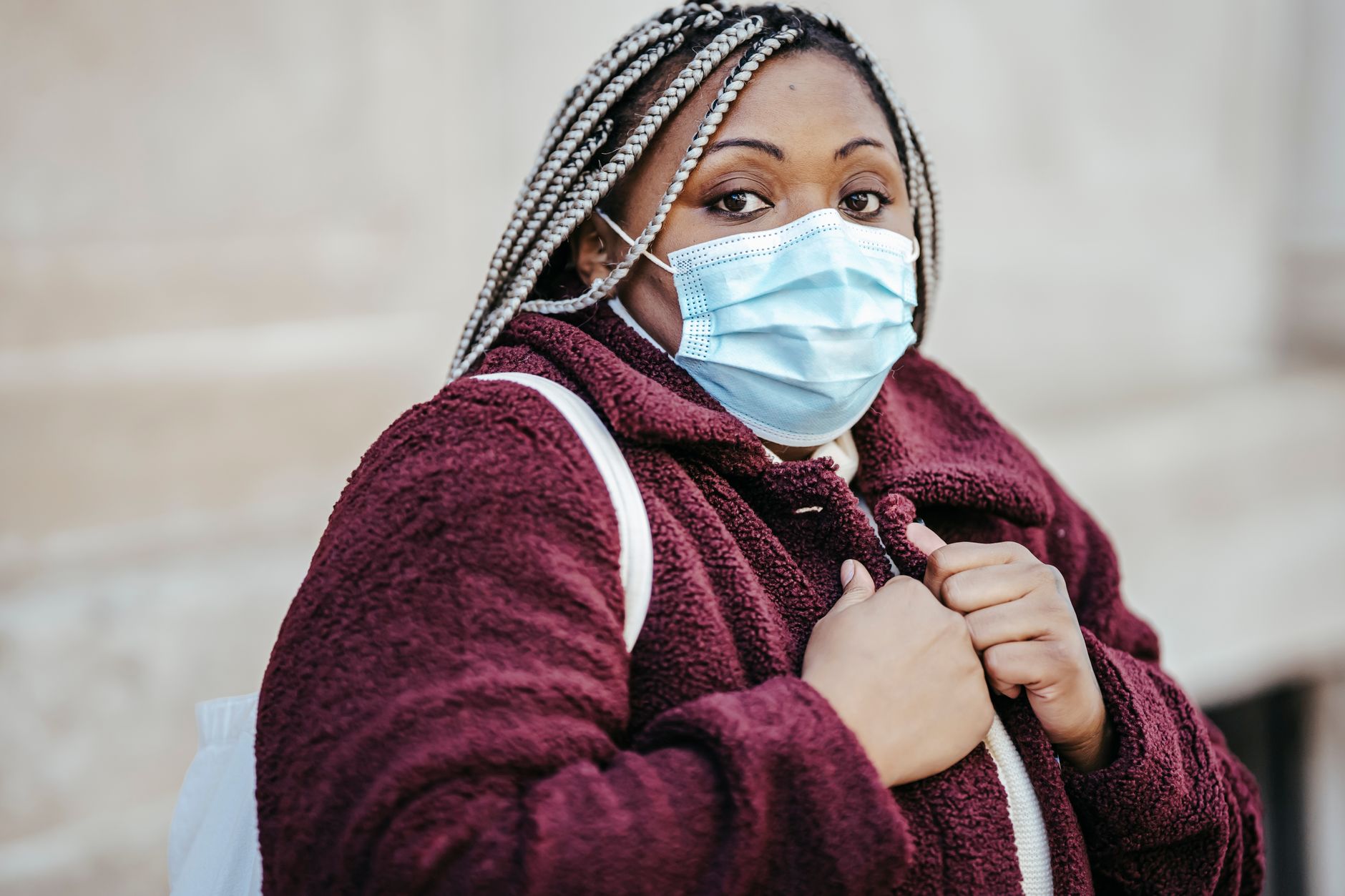
- Masking: Wear a well-fitting mask in crowded indoor settings or when community transmission levels are high.
- Hand Hygiene: Wash your hands frequently with soap and water for at least 20 seconds, or use an alcohol-based hand sanitizer.
- Social Distancing: Maintain physical distance from others, especially in public places.
- Avoid Crowds: Limit time spent in crowded environments where the risk of transmission is higher.
- Ventilation: Ensure good ventilation in indoor spaces by opening windows when possible.
When to Consult Your Doctor
It's always best to err on the side of caution. You should contact your healthcare provider immediately if you:
- Develop symptoms suggestive of COVID-19 (fever, cough, shortness of breath, loss of taste or smell, sore throat, body aches, diarrhea, nausea, or vomiting).
- Have concerns about your Crohn's disease symptoms worsening.
- Are considering any changes to your Crohn's medication.
- Have questions about managing your health during the pandemic.
Your medical team is your most valuable resource for personalized advice and care. They understand your specific health situation and can provide the most appropriate guidance.
Frequently Asked Questions (FAQs)
Q1: Can I still get COVID-19 if I'm vaccinated and have Crohn's disease?
Yes, it is still possible to get COVID-19 even if you are vaccinated. This is known as a breakthrough infection. However, vaccination significantly reduces the risk of severe illness, hospitalization, and death. For individuals with Crohn's disease, staying vaccinated is a critical part of staying safe.
Q2: Should I stop my Crohn's medication if I'm worried about COVID-19?
Absolutely not, unless specifically advised by your doctor. Stopping your Crohn's medication can lead to a severe flare-up of your condition, which can be more dangerous than the risk of COVID-19 itself. Always discuss any medication changes with your gastroenterologist.
Q3: Are there specific COVID-19 treatments for people with Crohn's disease?
The general treatments for COVID-19 apply to everyone, including those with Crohn's disease. However, your doctor will consider your Crohn's condition and medications when recommending treatment. Antiviral medications may be prescribed, especially for those at higher risk of severe illness. Always follow your doctor's advice regarding treatment.
Q4: How can I manage gastrointestinal symptoms if I have both Crohn's and COVID-19?
Managing gastrointestinal symptoms can be challenging. Stay well-hydrated by drinking plenty of fluids. Your doctor might recommend specific medications to help manage nausea, vomiting, or diarrhea. It's essential to communicate these symptoms clearly to your healthcare provider so they can tailor your treatment plan effectively.
Conclusion: Empowerment Through Knowledge
Living with Crohn's disease requires vigilance, but the added concern of COVID-19 doesn't have to be overwhelming. The current medical understanding provides a degree of reassurance: you are likely not at an increased risk of contracting COVID-19 simply because you have Crohn's disease. However, taking preventive measures, staying informed, and maintaining open communication with your healthcare team are more important than ever. Your health is a priority, and by understanding the interplay between Crohn's and COVID-19, you can navigate these challenges with greater confidence and care.
Additional Medical Guidance
This section adds practical context and preventive advice to help readers make informed healthcare decisions. It is important to verify symptoms early, consult qualified doctors, and avoid self-medication for persistent health issues.
Maintaining healthy routines, following prescribed treatment plans, and attending regular checkups can improve outcomes. If symptoms worsen or red-flag signs appear, immediate medical evaluation is recommended.
Quick Checklist
Track symptoms and duration.
Follow diagnosis and treatment from a licensed practitioner.
Review medication side effects with your doctor.
Seek urgent care for severe warning signs.