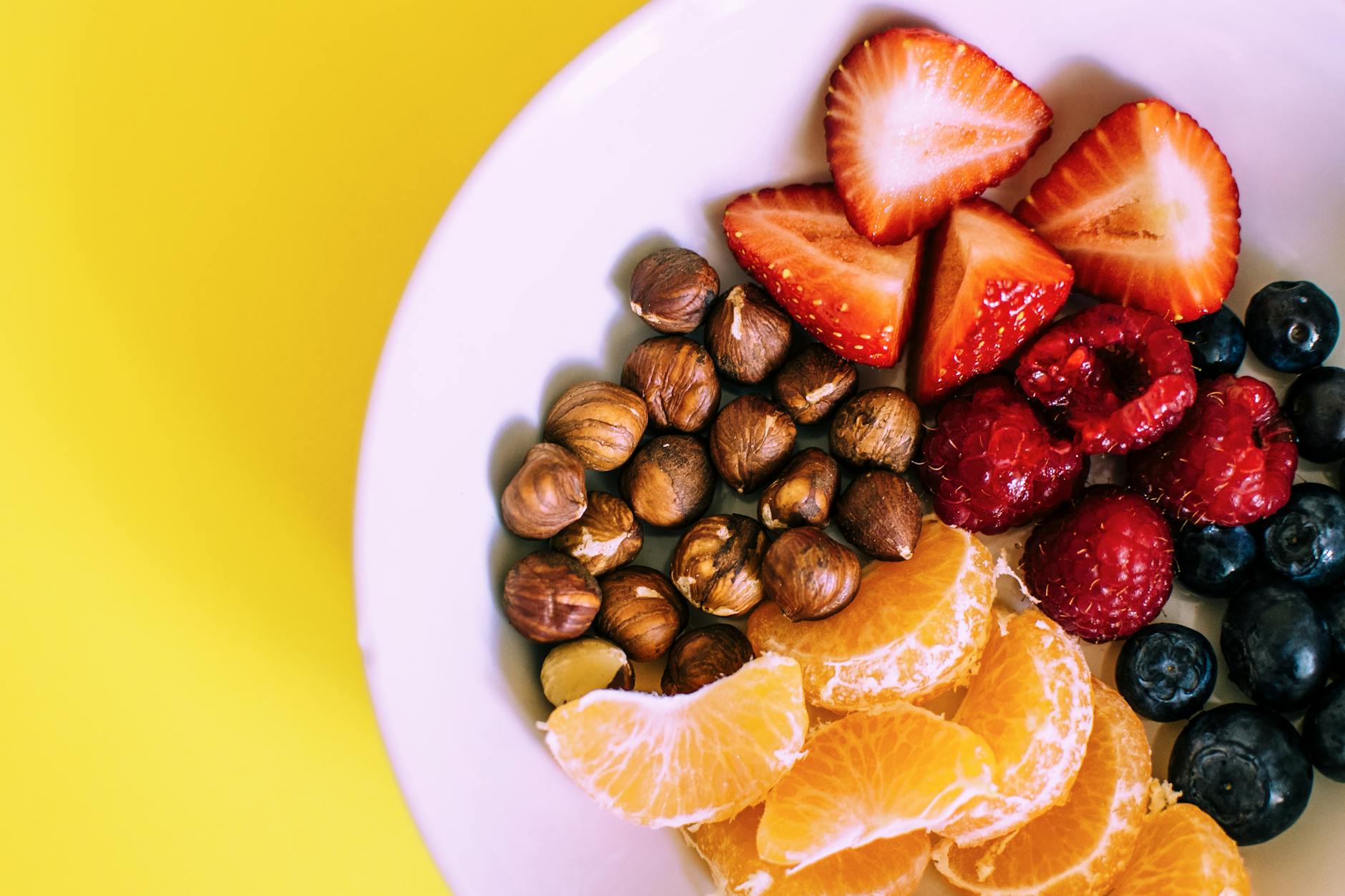
Living with Crohn's disease can feel like a constant tightrope walk, especially when it comes to food. The fear of triggering painful symptoms often turns simple snacks into a source of anxiety. But what if snacking could be a source of comfort and even nourishment? This guide is here to show you that with the right choices, you can enjoy delicious, Crohn's-friendly snacks that support your gut health and provide essential nutrients. We'll explore strategies and recipes that can help manage your symptoms and bring back the joy to your meal times. Understanding Crohn's Disease and Diet Crohn's disease is a chronic inflammatory bowel disease (IBD) that can affect any part of your digestive tract, though it most commonly impacts the small intestine and the beginning of the large intestine. This inflammation can lead to a range of uncomfortable symptoms, including abdominal pain, diarrhea, fatigue, and weight loss. While there isn't a single diet that can cure Crohn's, research indicates that certain dietary approaches can significantly help in managing symptoms, replenishing lost nutrients, and promoting healing. It's about finding a balance that works for your unique body, especially during periods of remission. The Role of Diet in Crohn's Management Your diet plays a pivotal role in how you feel day-to-day when you have Crohn's. During flare-ups, a bland diet that is low in fiber and spice can be soothing. This means opting for soft, easily digestible foods. However, during remission, the picture can change. Many people find that a diet low in FODMAPs (Fermentable Oligosaccharides, Disaccharides, Monosaccharides, and Polyols) can help reduce symptoms that mimic Irritable Bowel Syndrome (IBS), while still ensuring you get the nutrition you need. Some studies even suggest that components of the Mediterranean diet, like nuts and seeds, can be beneficial during remission, provided they are well-tolerated. The key is careful experimentation and listening to your body. What are FODMAPs? FODMAPs are short-chain carbohydrates that are poorly absorbed in the small intestine. For individuals with Crohn's, particularly those experiencing IBS-like symptoms, these can ferment in the gut, leading to gas, bloating, pain, and diarrhea. High-FODMAP foods include: Lactose: Found in dairy milk, butter, cream, and some cheeses. Fructose: A type of sugar found in fruits like apples and mangoes, as well as honey and high-fructose corn syrup. Fructans: Present in foods like onions, garlic, wheat, and asparagus. Galacto-oligosaccharides (GOS): Often found in legumes, nuts, seeds, and certain grains. Polyols: Sugars like sorbitol and mannitol, found in some fruits (like cauliflower) and artificial sweeteners. A low-FODMAP diet typically involves eliminating these foods for a short period (around 6-8 weeks) followed by a gradual reintroduction to identify personal triggers. This systematic approach can be incredibly empowering in managing your condition. Crohn's-Friendly Snacking Strategies Snacking doesn't have to be a minefield. The goal is to choose snacks that are easy to digest, low in potential irritants, and provide sustained energy. Eating smaller, more frequent meals and snacks can help prevent overloading your digestive system. During remission, focus on nutrient-dense options that contribute to your overall well-being. Tips for Successful Snacking: Portion Control: Opt for smaller portions to avoid overwhelming your digestive system. Hydration: Always accompany your snacks with plenty of water. Listen to Your Body: Pay close attention to how different foods make you feel. Keep a food diary to track reactions. Preparation is Key: Having pre-portioned, safe snacks ready can prevent impulsive, less healthy choices. Focus on Remission Foods: When you're feeling well, incorporate a variety of tolerated foods to ensure adequate nutrient intake. Delicious and Easy Crohn's-Friendly Snack Recipes Here are some simple, nutritious, and delicious snack ideas that are generally well-tolerated by individuals with Crohn's disease, especially during remission. Remember to introduce new foods one at a time and monitor your response. 1. Peanut Butter Rice Crispy Bites These are quick, satisfying, and customizable. They offer a good source of energy without being too heavy. Ingredients: 1 cup puffed rice, 1/4 cup smooth peanut butter (or other smooth nut butter), 1/2 tsp vanilla extract, 1/4 cup local honey, 1/4 cup powdered peanut butter. Instructions: In a large bowl, combine puffed rice cereal and smooth peanut butter. Mix well until the cereal is coated. Stir in vanilla extract, honey, and powdered peanut butter until a sticky mixture forms. Roll into small balls or press into a small pan and cut into squares. Let them set for a bit before enjoying. 2. Lactose-Free Cottage Cheese with Lemon A protein-rich snack that's easy on the digestive system, especially when using lactose-free options. Ingredients: 2 tbsp lactose-free cottage cheese, a squeeze of fresh lemon juice. Instructions: Mix the lactose-free cottage cheese with a squeeze of fresh lemon juice until well combined. Enjoy as is. You can add a tiny drizzle of maple syrup if a touch of sweetness is desired and tolerated. 3. Banana Pineapple Smoothie A refreshing smoothie packed with vitamins and minerals. Use lactose-free yogurt and nut milk for a gut-friendly option. Ingredients: 1/2 small ripe banana, 1/4 cup frozen pineapple chunks, a small handful of spinach (adds nutrients without strong flavor), 1/2 cup lactose-free coconut yogurt, 1/4 cup unsweetened nut milk (like almond or coconut milk). Instructions: Combine all ingredients in a blender. Blend until smooth and creamy. Adjust liquid for desired consistency. 4. Tuna Cucumber Bites A light and savory snack offering protein and healthy fats. This avoids common triggers like bread or crackers. Ingredients: 1/2 cup canned tuna (packed in water or olive oil), 1 tbsp light mayonnaise (or olive oil), 1/4 cup finely diced red bell pepper, salt and freshly cracked pepper to taste. Peeled cucumber slices for serving. Instructions: In a small bowl, mix the tuna, mayonnaise, diced red bell pepper, salt, and pepper. Scoop the tuna mixture onto peeled cucumber slices. 5. Turkey and Veggie Roll-Ups A simple, no-cook snack that provides protein and a serving of vegetables. Ingredients: 3 slices of lean turkey breast, matchstick-cut zucchini, red bell pepper, and carrots. Instructions: Lay out the turkey slices. Place a few matchsticks of each vegetable on one end of each turkey slice. Roll up tightly and enjoy. When to Consult Your Doctor or Dietitian Navigating diet with Crohn's disease can be complex. While these snack ideas are designed to be generally safe, individual responses can vary significantly. It is essential to work closely with your healthcare team. Your doctor can help manage your overall Crohn's treatment, and a registered dietitian specializing in IBD can provide personalized dietary advice. Signs it's Time to Seek Professional Guidance: Persistent or worsening digestive symptoms (pain, bloating, diarrhea, constipation). Unexplained weight loss or fatigue. Concerns about nutrient deficiencies. Difficulty identifying trigger foods. Developing new or worsening symptoms after trying new foods. A practical scenario: Sarah, who has Crohn's, used to dread snack time, often opting for bland crackers or nothing at all for fear of triggering a flare. After consulting with a dietitian, she started incorporating smoothies like the one above and tuna cucumber bites. She found that these snacks provided energy without the discomfort she used to experience. She keeps a small container of pre-made turkey roll-ups in her bag for when she's out and about, a simple step that has made a big difference in her daily life. Conclusion: Empowering Your Diet Managing Crohn's disease involves a holistic approach, and diet is a powerful tool in your arsenal. By understanding your triggers, embracing strategies like the low-FODMAP diet during remission, and focusing on nutrient-dense, easily digestible foods, you can transform snack time from a source of stress into an opportunity for nourishment and enjoyment. Experiment with these recipes, stay in communication with your healthcare providers, and remember that small, informed changes can lead to significant improvements in your quality of life. Frequently Asked Questions (FAQ) Q1: Can I eat fruits with Crohn's disease? A: During remission, some fruits are usually well-tolerated. Low-FODMAP fruits like bananas, blueberries, strawberries, and cantaloupe are often good choices. It's best to avoid high-FODMAP fruits like apples, pears, and mangoes, especially during flare-ups. Always introduce new fruits gradually. Q2: What about vegetables? Are they safe? A: Similar to fruits, the safety of vegetables depends on their FODMAP content and your individual tolerance. Cooked vegetables are often easier to digest than raw ones. Good options during remission might include carrots, zucchini, spinach, and bell peppers (seeds removed). Onions and garlic are high in fructans and are best avoided or used in very small, tolerated amounts, perhaps as infused oils. Q3: Is it safe to eat nuts and seeds with Crohn's? A: Nuts and seeds can be beneficial during remission, offering healthy fats and protein. However, they can be high in fiber and GOS, which are FODMAPs. Smooth nut butters are often better tolerated than whole nuts. Start with small amounts of low-FODMAP nuts like macadamia nuts or walnuts, and monitor your symptoms closely. Q4: What should I do during a Crohn's flare-up? A: During a flare-up, focus on a bland, low-fiber diet. This might include white rice, plain chicken or fish, cooked
In summary, timely diagnosis, evidence-based treatment, and prevention-focused care improve long-term health outcomes.