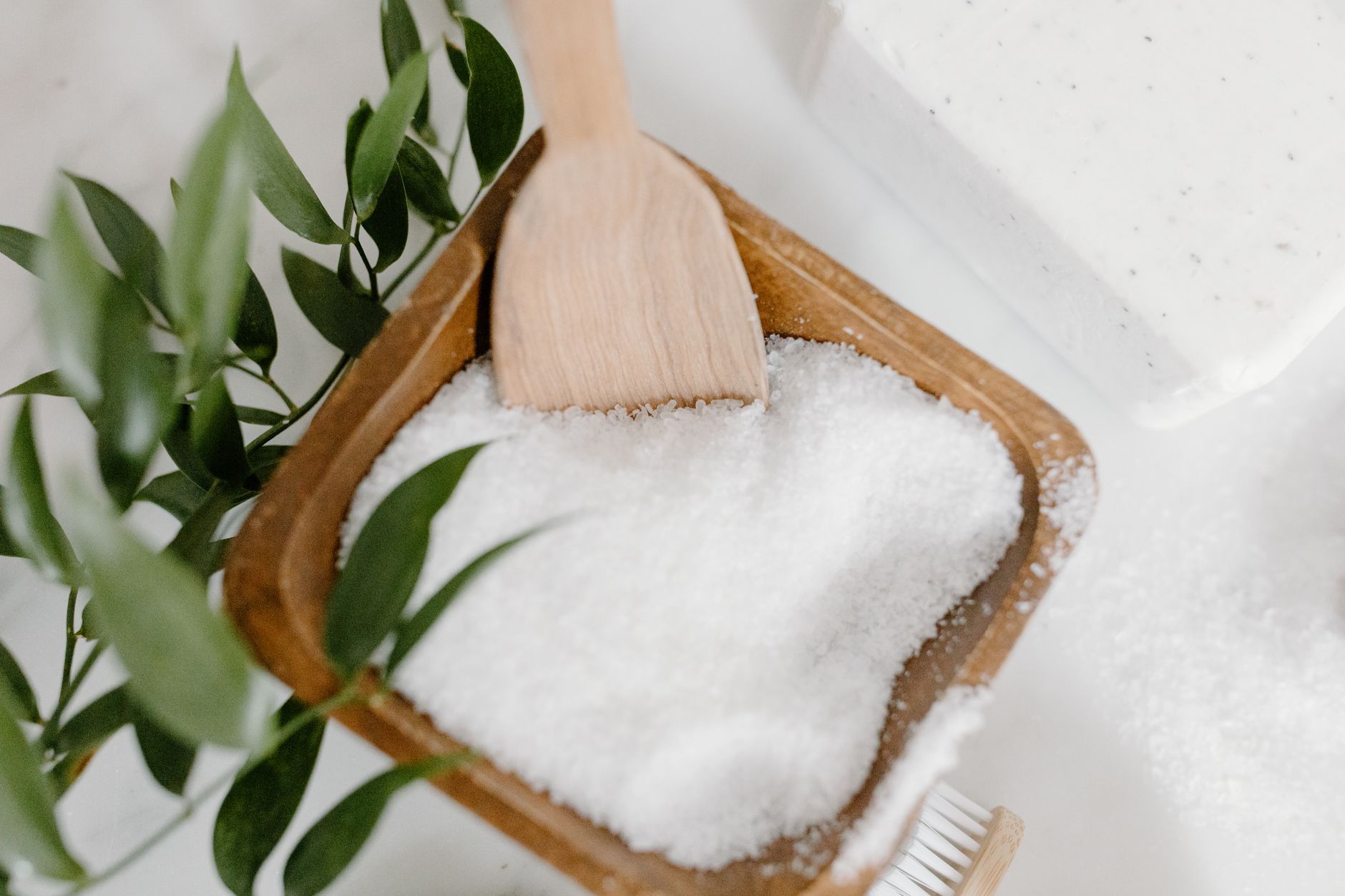
Eczema, a common skin condition that causes itchy, red, and inflamed patches, can be a persistent challenge for many. While there's no magic cure, exploring natural remedies can offer significant relief. One such remedy gaining attention is Dead Sea salt. Unlike regular table salt or Epsom salt, Dead Sea salt is packed with a unique blend of minerals like magnesium, potassium, and calcium. These minerals, thanks to the minimal processing of Dead Sea salt derived from evaporated seawater, are believed to play a key role in its therapeutic properties. This article delves into how Dead Sea salt may help soothe eczema symptoms, backed by research, and provides practical advice on how to use it effectively for your skin's benefit.
Understanding Eczema and Its Triggers
Eczema, also known as atopic dermatitis, affects people of all ages, though it's often seen in children. It manifests as dry, itchy skin that can become red, cracked, and even bleed if scratched too much. The exact cause of eczema isn't fully understood, but it's thought to involve a combination of genetic factors and immune system responses. Triggers can vary widely and include certain fabrics, soaps, detergents, stress, and even environmental allergens. For many, dry skin is a major factor that can worsen eczema flares. This is why keeping the skin moisturized is a cornerstone of managing the condition.
What Makes Dead Sea Salt Special for Skin?
The Dead Sea, a salt lake bordered by Jordan and Israel, is renowned for its exceptionally high mineral content. The salt harvested from it contains a higher concentration of minerals compared to regular sea salt or Epsom salt. These minerals are not just present; they are believed to interact with the skin in beneficial ways:
- Magnesium: Aids in skin barrier function and helps reduce inflammation.
- Potassium: Helps regulate skin hydration.
- Calcium: Plays a role in skin cell growth and repair.
- Bromides: Known for their soothing and relaxing properties.
These minerals are thought to help improve the skin's ability to retain moisture and strengthen its natural barrier, which is often compromised in individuals with eczema. A stronger skin barrier means less moisture loss and better protection against irritants.
Research on Dead Sea Salt and Eczema
While research specifically on Dead Sea salt for eczema is not extensive, existing studies show promising results. One significant finding from a 2005 study indicated that soaking in a bath with Dead Sea salt improved the skin's barrier strength compared to soaking in regular tap water. This suggests a direct benefit in addressing the dryness and impaired barrier associated with eczema.
Another study, conducted in 2010, explored the combined effects of Dead Sea salt baths and ultraviolet (UV) therapy. The results showed that this combination was more effective in treating eczema symptoms than UV therapy alone. This highlights the potential synergistic effect of Dead Sea salt when used with other established treatments.
It's important to note that much of the research available is older. However, the fundamental properties of the minerals in Dead Sea salt continue to be recognized for their potential benefits in skin health and inflammation reduction.
How to Use Dead Sea Salt for Eczema Relief
Incorporating Dead Sea salt into your eczema management routine can be straightforward. The National Eczema Association (NEA) offers practical guidelines for salt soaks:
- Prepare the Bath: Fill your bathtub with warm water. Avoid hot water, as it can strip the skin of its natural oils and worsen dryness and irritation.
- Add the Salt: Follow the directions on the Dead Sea salt product you purchase. Typically, 1 to 2 cups of salt are recommended per bath. Add the salt to the water before you get in.
- Soak Time: Aim for a soak duration of 5 to 10 minutes. Prolonged soaking, especially in very warm water, can have a drying effect.
- Gentle Cleansing: Use a mild, fragrance-free cleanser designed for sensitive skin. Gently wash your skin and rinse thoroughly. Avoid harsh scrubbing.
- Pat Dry: After your bath, gently pat your skin dry with a soft towel. Leave your skin slightly damp.
- Moisturize Immediately: This is a critical step. Within 3 minutes of exiting the bath, apply a generous amount of an approved moisturizer all over your body. Look for lotions with a high oil content and no fragrances or dyes.
- Apply Medications: If you use any prescription topical medications for your eczema, apply them after patting your skin dry and before applying moisturizer, allowing them to absorb first.
A real-life scenario: Priya often finds her eczema flares up during the dry winter months, leaving her skin unbearably itchy, especially at night. She decided to try a Dead Sea salt bath before bed after reading about its potential benefits. She followed the steps carefully, using warm water and a gentle cleanser, and immediately applied her thick, fragrance-free moisturizer after patting her skin dry. She noticed her skin felt calmer and less itchy that night, allowing her to sleep more peacefully.
Frequency of Use
The ideal frequency for Dead Sea salt baths for eczema isn't definitively established. However, the NEA suggests that daily baths or showers can be beneficial for eczema management. If you find Dead Sea salt baths helpful, consider using them daily during periods of more intense symptoms. When your eczema is less problematic, you might reduce the frequency but should continue with a consistent moisturizing routine to prevent dry skin, which can trigger flares.
Other Helpful Bath Additives
In addition to Dead Sea salt, other ingredients can enhance your bath experience and benefit eczema-prone skin:
- Bath Oil: Choose fragrance-free bath oils to help moisturize your skin during the soak. Be cautious with oils containing added fragrances or cleansers, as these can be irritating.
- Oatmeal Baths: Colloidal oatmeal has long been recognized for its soothing and anti-inflammatory properties.
When to Consult a Doctor
While Dead Sea salt can be a helpful addition to your eczema care, it's not a replacement for medical advice or prescribed treatments. You should consult a doctor or dermatologist if:
- Your eczema symptoms are severe or worsening.
- Your skin becomes infected (signs include increased redness, warmth, swelling, or pus).
- Over-the-counter treatments and home remedies are not providing relief.
- Eczema is significantly impacting your quality of life, sleep, or daily activities.
A healthcare professional can provide an accurate diagnosis, recommend appropriate treatments, and help you develop a comprehensive management plan tailored to your specific needs.
Frequently Asked Questions (FAQ)
Is Dead Sea salt safe for all types of eczema?
Dead Sea salt is generally considered safe for most people with eczema, but individual reactions can vary. It's always a good idea to do a patch test or start with a smaller amount if you have very sensitive skin. If irritation occurs, discontinue use and consult your doctor.
Can Dead Sea salt replace my eczema medication?
No, Dead Sea salt is a complementary therapy and should not replace any prescribed medications or treatments recommended by your doctor. It can help manage symptoms, but it doesn't address the underlying causes of eczema in the same way that medical treatments might.
How long does it take to see results from using Dead Sea salt?
Some individuals may notice a soothing effect immediately after a bath, while others might require several uses to experience significant relief from itching and inflammation. Consistency with bathing and moisturizing is key.