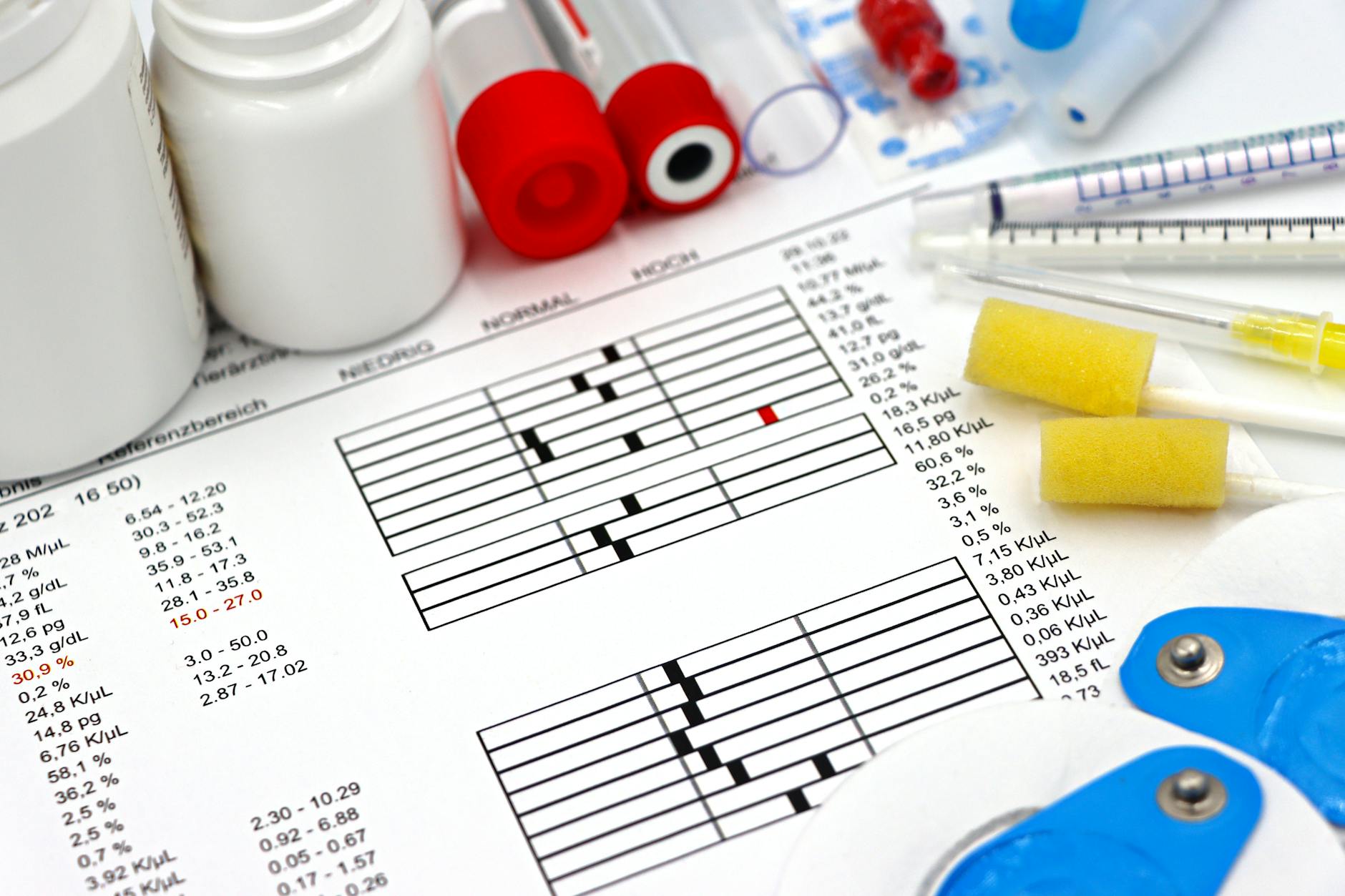
Understanding Dementia and the Quest for a Blood Test
Dementia is a progressive decline in cognitive function that affects memory, thinking, and social abilities, impacting daily life. As the global population ages, the prevalence of dementia, particularly Alzheimer's disease, is on the rise. This surge underscores the critical need for accurate and accessible diagnostic tools. Traditionally, diagnosing dementia has involved a combination of cognitive evaluations, neurological tests, and brain imaging. However, recent breakthroughs in medical research are heralding a new era, with the potential for blood tests to revolutionize dementia detection, especially for Alzheimer's disease.
The Current Diagnostic Landscape for Dementia
In India, as elsewhere, the diagnosis of dementia is a multi-faceted process. Doctors typically begin with a thorough medical history, including details about symptoms, their onset, and progression. This is followed by a series of cognitive and neurological examinations. These tests assess various aspects of mental function, such as:
- Memory: Short-term and long-term recall.
- Language: Ability to understand and express thoughts.
- Attention and Concentration: Focus and ability to perform tasks.
- Problem-solving and Reasoning: Logical thinking and decision-making.
- Visual-spatial skills: Ability to perceive and interpret visual information.
In addition to cognitive tests, doctors may order blood tests to rule out other conditions that can mimic dementia symptoms. These include:
- Thyroid Function Tests (TSH, T4): Imbalances in thyroid hormones can lead to cognitive changes that resemble dementia.
- Vitamin B12 Test: A deficiency in Vitamin B12 can cause neurological symptoms, including memory problems and confusion.
- Complete Blood Count (CBC): Helps identify infections or anemia that might affect cognitive function.
- Basic Metabolic Panel (BMP) or Comprehensive Metabolic Panel (CMP): Assesses kidney and liver function, blood sugar levels, and electrolyte balance, all of which can impact brain health.
- Tests for Infections: Such as HIV or syphilis, if suspected based on symptoms.
- Lipid Profile: Evaluates cholesterol levels, as cardiovascular health is closely linked to brain health.
Brain imaging techniques like MRI or CT scans may also be used to identify structural changes in the brain, such as shrinkage or the presence of lesions, and to rule out other causes like strokes or tumors. Cerebrospinal fluid (CSF) analysis, obtained through a lumbar puncture, can also provide valuable information about biomarkers associated with Alzheimer's disease, but this is an invasive procedure.
The Promise of Blood Tests for Dementia Detection
The development of a reliable blood test for dementia would be a monumental advancement. Such a test could offer a more accessible, less invasive, and potentially more cost-effective alternative to current diagnostic methods. Researchers worldwide are actively pursuing this goal, focusing on identifying specific biomarkers in the blood that are indicative of neurodegenerative diseases like Alzheimer's.
Key Biomarkers Under Investigation
The focus of current research is on detecting specific proteins and molecules in the blood that are released from the brain when nerve cells are damaged or when disease processes are active. These include:
- Phosphorylated Tau (p-tau): Abnormal forms of the tau protein are a hallmark of Alzheimer's disease. Specific forms like p-tau181 and p-tau217 are showing great promise as blood biomarkers.
- Glial Fibrillary Acidic Protein (GFAP): This protein is released when there is damage to astrocytes, a type of brain cell that plays a role in supporting neurons. Elevated GFAP levels in the blood can indicate neuroinflammation or injury.
- Neurofilament Light (NfL): This is a structural protein found in nerve cells. When neurons are damaged, NfL is released into the bloodstream, serving as a general marker of neurodegeneration.
Researchers are exploring various methods for detecting these biomarkers, including highly sensitive assays that can measure even minute quantities in blood samples. The goal is to develop tests that are not only accurate but also practical for widespread use in clinical settings across India.
Current Status and Future Outlook
As of now, there are no definitive blood tests specifically approved for the diagnosis of dementia or Alzheimer's disease that are widely available to the public in India or globally. However, the research landscape is evolving rapidly. Several studies have shown promising results, and some blood tests are nearing regulatory approval in certain regions.
The potential impact of these future blood tests is immense:
- Early Detection: Blood tests could enable earlier diagnosis, allowing for timely intervention and management strategies to slow disease progression.
- Accessibility: They would be more accessible than current methods, especially in remote areas of India where advanced diagnostic facilities may be limited.
- Monitoring Treatment: Blood tests could help monitor the effectiveness of new treatments and track disease progression over time.
- Clinical Trials: They are invaluable tools for accelerating the development of new dementia therapies by identifying suitable participants for clinical trials and assessing treatment efficacy.
While the prospect of a simple finger-prick blood test for dementia is exciting, it's important to remember that these tests are likely to complement, rather than replace, existing diagnostic approaches. A comprehensive evaluation by a healthcare professional will remain crucial for an accurate diagnosis and personalized care plan.
When to Consult a Doctor
If you or a loved one experiences persistent changes in memory, thinking, or behavior that interfere with daily life, it is essential to seek medical advice promptly. Early consultation can lead to a more accurate diagnosis and better management of the condition. Don't hesitate to consult your doctor if you notice:
- Increasing forgetfulness, especially for recent events.
- Difficulty with planning, problem-solving, or managing finances.
- Trouble finding the right words or following conversations.
- Getting lost in familiar places.
- Changes in mood or personality.
The journey towards understanding and managing dementia is ongoing. While we await the widespread availability of blood tests, staying informed and seeking timely medical care are the most crucial steps for individuals and families affected by this condition in India.
Additional Medical Guidance
This section adds practical context and preventive advice to help readers make informed healthcare decisions. It is important to verify symptoms early, consult qualified doctors, and avoid self-medication for persistent health issues.
Maintaining healthy routines, following prescribed treatment plans, and attending regular checkups can improve outcomes. If symptoms worsen or red-flag signs appear, immediate medical evaluation is recommended.
Quick Checklist
Track symptoms and duration.
Follow diagnosis and treatment from a licensed practitioner.
Review medication side effects with your doctor.
Seek urgent care for severe warning signs.