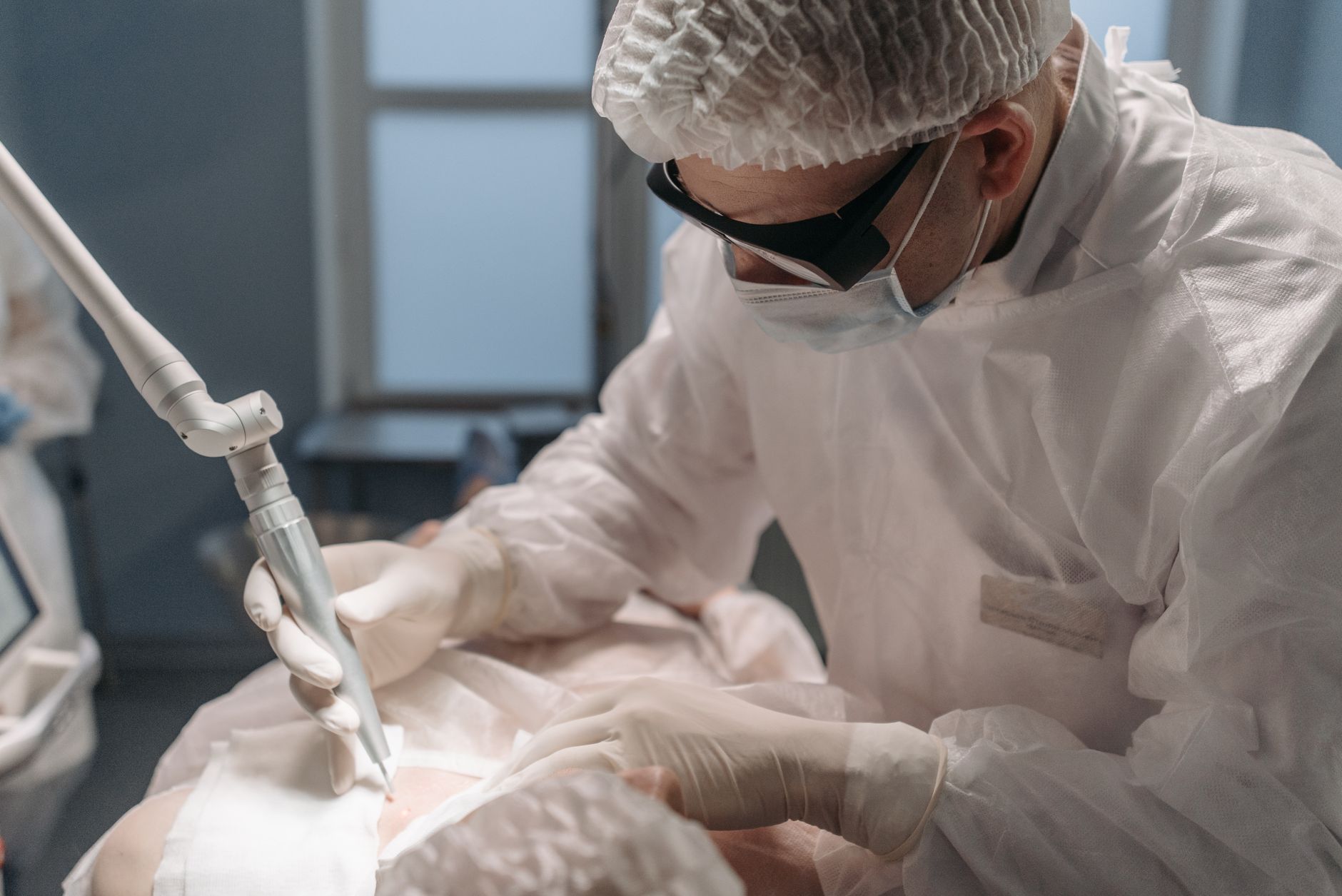
Understanding Hidradenitis Suppurativa (HS) Hidradenitis Suppurativa, commonly known as HS, is a chronic and often painful skin condition that affects millions worldwide. It is characterized by the formation of painful lumps, boils, or abscesses, typically in areas where skin rubs together, such as the armpits, groin, buttocks, and under the breasts. These lesions can be deeply uncomfortable, lead to significant scarring, and profoundly impact a person's quality of life. While there is currently no known cure for HS, various treatments aim to manage the condition and alleviate symptoms. One such treatment, particularly for persistent or recurring lesions, is a surgical procedure called deroofing. What is Deroofing Surgery? Deroofing is a minimally invasive surgical technique used to treat hidradenitis suppurativa lesions. The core principle of deroofing is to remove the "roof" or the top layer of skin from the inflamed sinus tracts or lesions. This allows the inflamed debris and pus within to be cleared out, creating an open wound that can then heal naturally. Unlike complete excision, which removes the entire affected area, deroofing focuses on opening up the existing tunnels or abscesses to promote healing from within. The Deroofing Procedure: Step-by-Step The deroofing procedure is typically performed under local anesthesia, meaning the patient remains awake but the surgical area is numbed. Here's a general outline of the steps involved: Anesthesia: The surgeon will inject a local anesthetic, such as lidocaine, into the treatment area to ensure comfort during the procedure. Incision and Debridement: Using specialized instruments like a probe, scalpel, or scissors, the surgeon carefully removes the top layer of skin (the "roof") of the targeted HS lesion or sinus tract. The inflamed pus and debris are then meticulously removed. An electrocautery tool might also be used to help control bleeding and remove tissue. Wound Preparation: After clearing the lesion, a solution like ferric chloride or aluminum chloride may be applied to the wound, followed by a protective layer of petroleum jelly. This helps in the healing process. Wound Care Instructions: The surgeon will provide detailed instructions on how to care for the newly created wound. This typically involves gentle daily cleansing with mild soap and water and regular application of fresh gauze dressings. Natural Healing: The patient is then advised to allow the wound to heal naturally. This process can take several weeks, and diligent adherence to wound care is crucial for optimal outcomes. Effectiveness of Deroofing for HS Deroofing is considered a highly effective treatment option for mild to moderate cases of hidradenitis suppurativa, especially for lesions that tend to recur. While other surgical methods like incision and drainage can provide temporary relief by removing pus, they may not prevent the lesions from returning. Deroofing, by opening up the tracts, aims to reduce the likelihood of recurrence. Studies have shown promising results: In one study, only about 17% of deroofed lesions reoccurred within 5 months. More impressively, over 80% of deroofed lesions remained healed after a follow-up period of 34 months. Compared to more extensive surgical procedures like wide excision, deroofing generally has a lower complication rate. While excision has a complication rate of around 26%, deroofing's rate is approximately 12.5%. Furthermore, complications from deroofing tend to be milder. Potential Disadvantages and Side Effects Despite its effectiveness, deroofing is not without its potential drawbacks. It's important for patients to be aware of these before undergoing the procedure: Recurrence: While deroofing significantly reduces recurrence rates, it does not guarantee a permanent cure. Up to a quarter of lesions may still reoccur in the months or years following the surgery. Pain: Some degree of pain is expected during and after the surgery. Most participants in a study reported mild pain during the operation and mild to moderate pain a week post-surgery. However, many found the recovery pain to be comparable to or less intense than their usual HS flare-up pain. Complications: Although the complication rate is lower than with excision, potential side effects can occur. These are generally mild and may include infection, delayed healing, or minor scarring. Recovery After Deroofing The recovery period following deroofing is generally manageable. Most individuals can return to their regular activities, including physical exercise, within about two weeks. The study mentioned earlier indicated that participants needed between 3 to 14 days to resume their typical routines. Complete healing of the deroofed lesions typically occurs within 4 to 5 weeks. Consistent and proper wound care, as advised by the dermatologist, is essential during this period to ensure successful healing and minimize the risk of complications. When to Consult a Doctor If you are experiencing symptoms of hidradenitis suppurativa, such as recurrent painful lumps or boils in the body folds, it is crucial to seek medical advice. Early diagnosis and management can prevent the condition from worsening and reduce the risk of complications like extensive scarring and chronic pain. If you have been diagnosed with HS and are considering surgical options, or if your current treatment is not effective, discuss deroofing with your dermatologist. They can assess your individual case and determine if this procedure is the right choice for you. Conclusion Deroofing surgery offers a promising and effective solution for managing persistent hidradenitis suppurativa lesions. By carefully removing the inflamed "roof" of the lesions, it facilitates natural healing and significantly reduces the rate of recurrence compared to some other surgical interventions. While pain and potential for recurrence exist, the benefits of deroofing, including its
In summary, timely diagnosis, evidence-based treatment, and prevention-focused care improve long-term health outcomes.