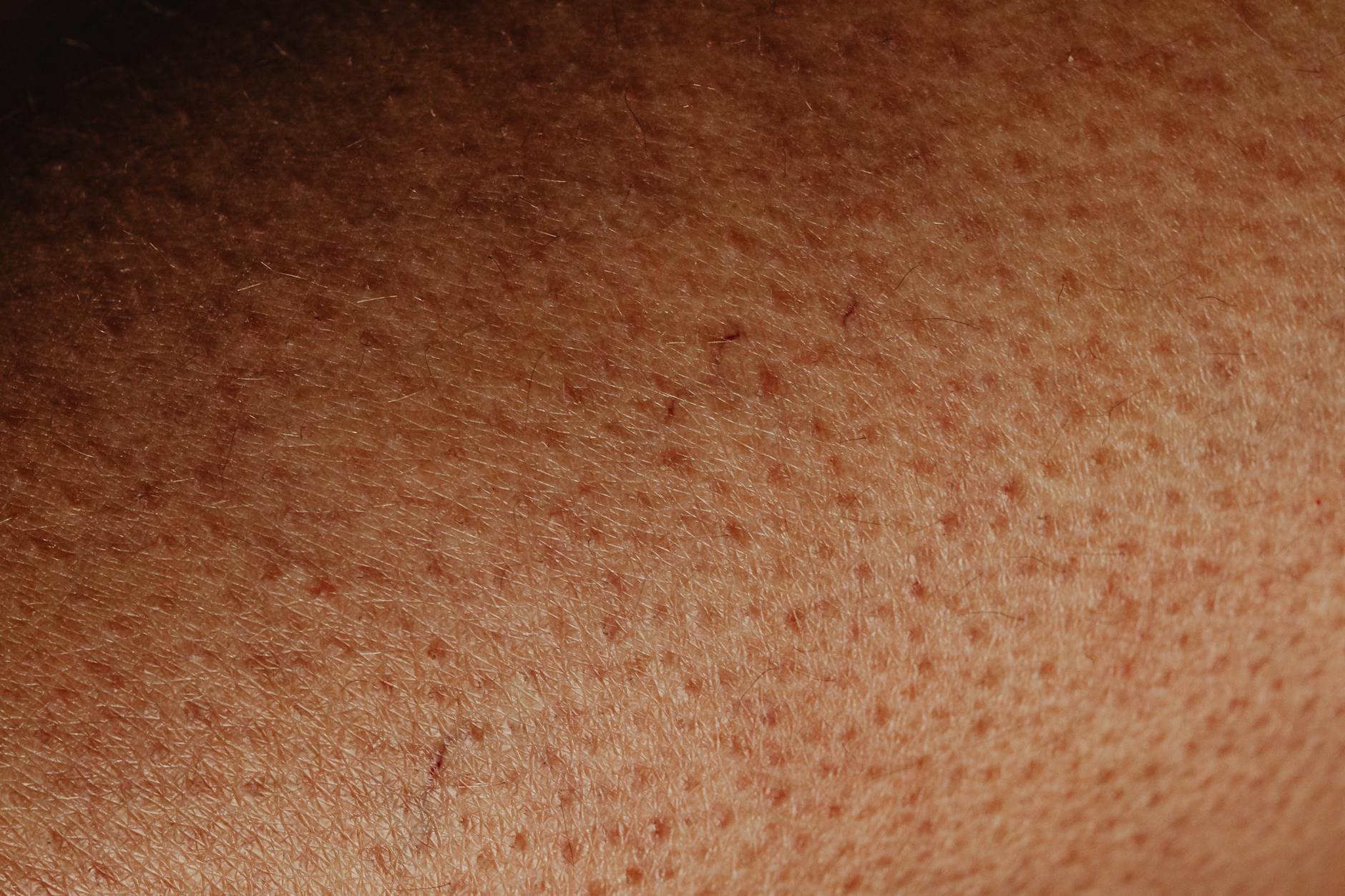
Have you ever noticed a peculiar, dark-looking spot on your skin that seems larger than a typical blackhead? It might be a Dilated Pore of Winer, a common, non-cancerous skin condition that often causes concern but is usually harmless. Dr. Louis H. Winer first described this unique pore in 1954, and since then, it has been recognized as a distinct skin finding, particularly in certain demographics. While it might resemble a large blackhead, it is, in fact, a benign tumor originating from a hair follicle or a sweat gland. This condition is most commonly observed in white males over the age of 40. You might find it appearing on your face, scalp, or neck, though it can also manifest on other parts of the body like the back. The appearance is quite characteristic: a single, enlarged pore filled with a dark plug made of keratin, a protein naturally found in our skin, hair, and nails. The surrounding skin typically looks healthy and normal, making the lesion stand out. Understanding what a Dilated Pore of Winer is, why it occurs, and how it's managed can help alleviate worries and guide you towards appropriate care. This article aims to provide clear, practical information for Indian readers, covering everything from its appearance to its diagnosis and treatment options, all presented in an easy-to-understand manner. What Exactly is a Dilated Pore of Winer? A Dilated Pore of Winer is essentially an enlarged hair follicle that becomes blocked with keratin. Imagine a normal pore, but significantly bigger and filled with a dark, compacted substance. This is not a blackhead, although the visual similarity can be striking. Instead, it's a benign (non-cancerous) growth, often referred to as a trichilemmal cyst or infundibular cyst. The dark color comes from the accumulated keratin and sometimes cellular debris within the pore. The lesion is typically solitary and can vary in size, but it's generally larger than a common blackhead. Key Characteristics to Look For: Single, Enlarged Pore: The most defining feature is a noticeably large pore. Dark, Plug-Like Center: This is the keratin plug, which gives the lesion its dark appearance. It's often firm to the touch. Normal Surrounding Skin: The skin around the pore usually looks healthy, without redness or inflammation, unless it has been irritated. Location: Commonly found on the head and neck area, including the face and scalp. It can also appear on the trunk, especially the back. It's vital not to confuse this with other skin conditions. While it resembles a blackhead, its underlying nature is different. We'll explore potential resemblances to other conditions later. What Causes Dilated Pores of Winer? The exact cause of a Dilated Pore of Winer remains a subject of ongoing research, and doctors haven't pinpointed a single definitive trigger. However, current theories suggest that scar tissue may form around a cyst within the hair follicle, leading to its enlargement over time. This process can contribute to the pore becoming dilated and filled with keratin. Several risk factors have been identified that may increase your likelihood of developing this condition: Age: It's more common in middle-aged and older adults. Gender and Ethnicity: White males are statistically more prone to developing Dilated Pores of Winer. History of Acne: Individuals who have experienced severe acne in the past may have a higher risk. This could be due to changes in the skin's structure from previous inflammation and scarring. While the cause isn't fully understood, these factors provide some insight into who might be more susceptible. Distinguishing Dilated Pore of Winer from Other Skin Conditions The appearance of a Dilated Pore of Winer can sometimes be confused with other skin lesions, making professional diagnosis important. Here are a few conditions it might resemble: Blackheads (Open Comedones): Blackheads are common acne lesions where a pore is clogged with sebum and dead skin cells, and the dark color is due to oxidation of the trapped material. Dilated Pores of Winer are generally larger and have a more distinct, often firmer keratin plug. Pilar Sheath Acanthoma: This condition can look very similar to a Dilated Pore of Winer. However, pilar sheath acanthomas often appear on the upper lip and may be less symmetrical in shape. Differentiating between the two can sometimes be challenging, even for dermatologists, without a biopsy. Basal Cell Carcinoma (BCC): In rare cases, a Dilated Pore of Winer might share some characteristics with basal cell carcinoma, a common type of skin cancer. This is why a doctor might recommend a biopsy, especially if there are any unusual features or concerns about malignancy. BCCs often have a pearly appearance, a rolled border, and may bleed easily. It's crucial to avoid self-diagnosis and never attempt to squeeze or remove these lesions at home, as this can lead to inflammation, infection, or make a proper diagnosis more difficult. How is a Dilated Pore of Winer Diagnosed? Diagnosing a Dilated Pore of Winer is typically straightforward for a dermatologist. The process usually involves: Visual Examination: A doctor will carefully examine the lesion, noting its size, shape, color, and the appearance of the surrounding skin. They will use their expertise to differentiate it from other conditions. Medical History: Your doctor will ask about your personal and family medical history, including any past skin issues like acne, and discuss when you first noticed the lesion. Biopsy (If Necessary): In cases where there is any uncertainty or suspicion of malignancy, a small sample of the skin lesion (a biopsy) may be taken. This sample is then sent to a laboratory for microscopic examination by a pathologist. This is the most definitive way to confirm the diagnosis and rule out any underlying skin cancer. A common patient scenario: Mrs. Sharma, a 55-year-old homemaker from Delhi, noticed a large, dark spot on her earlobe that she initially thought was a stubborn blackhead. It didn't hurt, but its size and appearance bothered her. She visited her local dermatologist, who, after a visual inspection, suspected it was a Dilated Pore of Winer and recommended a simple biopsy to be absolutely sure. Treatment and Management Options From a purely medical standpoint, a Dilated Pore of Winer does not require treatment as it is benign and does not pose a health risk. It typically does not cause pain or discomfort. However, many individuals seek treatment for cosmetic reasons, as the lesion can be quite noticeable. Professional Removal Methods: There are no effective at-home treatments or topical creams that can resolve a Dilated Pore of Winer. Any attempt at home removal can be risky. Professional medical treatments focus on removing the keratin plug and sometimes the follicle lining: Comedone Extractor: A dermatologist might use a specialized tool called a comedone extractor. This instrument applies pressure around the pore to expel the keratin plug. While this can remove the visible plug, it often doesn't prevent the pore from refilling over time. Punch Excision or Biopsy: For a more permanent solution, a small surgical procedure like a punch excision can be performed. This involves using a circular blade to remove the entire lesion, including the follicle. The wound is then typically closed with a stitch. This method has a high success rate in fully treating the condition. Curettage: In some cases, the lesion might be scraped away using a sharp instrument called a curette. This is often followed by electrocautery to prevent regrowth. Surgical Excision: Larger lesions might require traditional surgical excision, where the area is cut out and stitched closed. It is important to note that treatments like simple squeezing or extraction with non-sterile tools are not recommended. They can lead to infection, scarring, and increased inflammation, making the lesion more problematic. Can Dilated Pores of Winer Be Prevented? Given that the exact cause is unknown, there are no guaranteed methods to prevent the formation of Dilated Pores of Winer. However, focusing on good skin hygiene and managing certain risk factors might play a role: Maintain Good Skin Care: Regularly cleansing your skin, especially if you have a history of acne or oily skin, can help keep pores clear. Gentle exfoliation may also be beneficial. Avoid Picking at Skin Lesions: Resist the urge to pick at any bumps or lesions on your skin. This can cause irritation and potentially lead to more significant issues. Sun Protection: While not directly linked, protecting your skin from excessive sun exposure is always a good practice for overall skin health. For individuals with a history of severe acne, maintaining a good skincare routine as advised by a dermatologist can be helpful in preventing various pore-related issues. When to Consult a Doctor While Dilated Pores of Winer are generally harmless, it's wise to consult a doctor or dermatologist in the following situations: If you notice a new skin lesion that is unusually large, dark, or persistent. If you are unsure about the nature of a skin spot and want to rule out more serious conditions like skin cancer. If a skin lesion is causing you cosmetic concern and you wish to discuss removal options.
In summary, timely diagnosis, evidence-based treatment, and prevention-focused care improve long-term health outcomes.