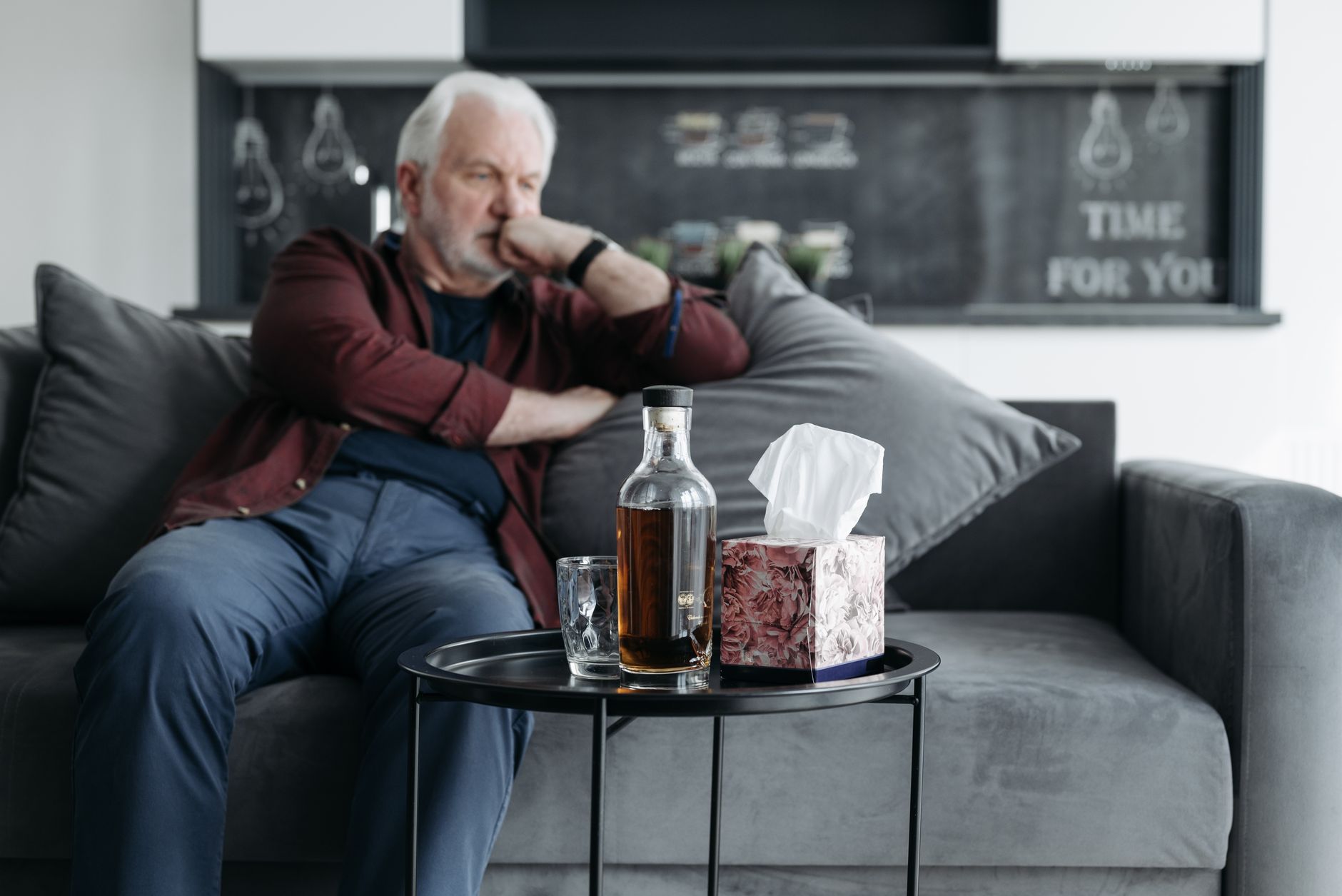
You’ve probably heard it at a party or a bar: "Don't break the seal!" This common saying refers to the idea that the very first time you pee after having an alcoholic drink, your bladder somehow loses its ability to hold urine, leading to a night of constant trips to the bathroom. It’s a widely believed notion, but is there any truth to it? Let’s explore what actually happens in your body when you drink alcohol and why you might feel the urge to pee more frequently.
Understanding 'Breaking the Seal'
The term "breaking the seal" is used to describe the first instance of urination after consuming alcohol. The myth suggests that once this "seal" is broken, it cannot be resealed, implying a permanent or at least prolonged inability to control your bladder. This leads to the belief that you’ll be heading to the restroom non-stop for the rest of the evening.
The Science Behind Increased Urination and Alcohol
The reality is quite different and rooted in how your body processes alcohol. Your brain naturally produces a hormone called vasopressin, also known as antidiuretic hormone (ADH). This hormone plays a key role in regulating how much water your kidneys reabsorb into your body. When you drink alcohol, it interferes with the production of vasopressin.
According to research, alcohol suppresses the release of ADH. Less ADH means your kidneys don't reabsorb as much water. Consequently, your body produces more urine than it normally would. This isn’t because your bladder has suddenly become less capable; it’s your body’s direct response to the presence of alcohol.
Alcohol as a Diuretic
Alcohol is a diuretic. This means it actively promotes the production of urine. The increased need to urinate stems from two main sources:
- The liquid you consume: Simply put, if you drink more fluid (including alcoholic beverages), your body will need to expel more fluid.
- Your body's fluid reserves: As alcohol suppresses ADH, your body starts to lose more water than usual. This can lead to dehydration, which is a common cause of hangovers. Your body is trying to get rid of the alcohol and excess fluid, resulting in more frequent bathroom visits.
Why the Myth Persists: The Power of Suggestion
If the science doesn't support the "breaking the seal" idea, why do so many people believe it? Experts suggest it's largely a matter of psychological suggestion and heightened awareness.
When you start drinking, you're often in a social setting where alcohol consumption is common. You might be more aware of your body's signals, including the urge to urinate. If you've heard the "breaking the seal" myth, you might anticipate needing to pee more. This anticipation can make you more sensitive to the sensation, leading you to feel the urge more strongly or to notice it more readily.
Furthermore, once you've had that first drink and subsequently need to use the restroom, the myth becomes reinforced in your mind. You might think, "See, I broke the seal!" even though the increased urination was already a natural consequence of drinking alcohol.
A Common Scenario
Imagine Priya at a friend's wedding reception. She enjoys a glass of wine and then heads to the restroom. Later, she has another drink and finds herself needing to go again. She remarks to her friend, "I knew it! I broke the seal after the first glass, and now I can't stop going!" Priya isn't consciously aware that the wine itself is prompting her body to produce more urine, attributing the frequency to the mythical "seal."
What This Means In Daily Life
Most people do not notice early warning signs right away. That is common. A simple symptom diary, basic routine checks, and timely follow-up visits can prevent small problems from becoming serious.
If you are already on treatment, stay consistent with medicines and lifestyle advice. If your symptoms change, do not guess. Check with a qualified doctor and update your plan early.
Simple Action Plan
Write down symptoms, triggers, and timing for a few days.
Carry old prescriptions and test reports to your consultation.
Ask clearly about side effects, red-flag signs, and follow-up dates.
Seek urgent care for severe pain, breathing trouble, bleeding, fainting, or sudden worsening.