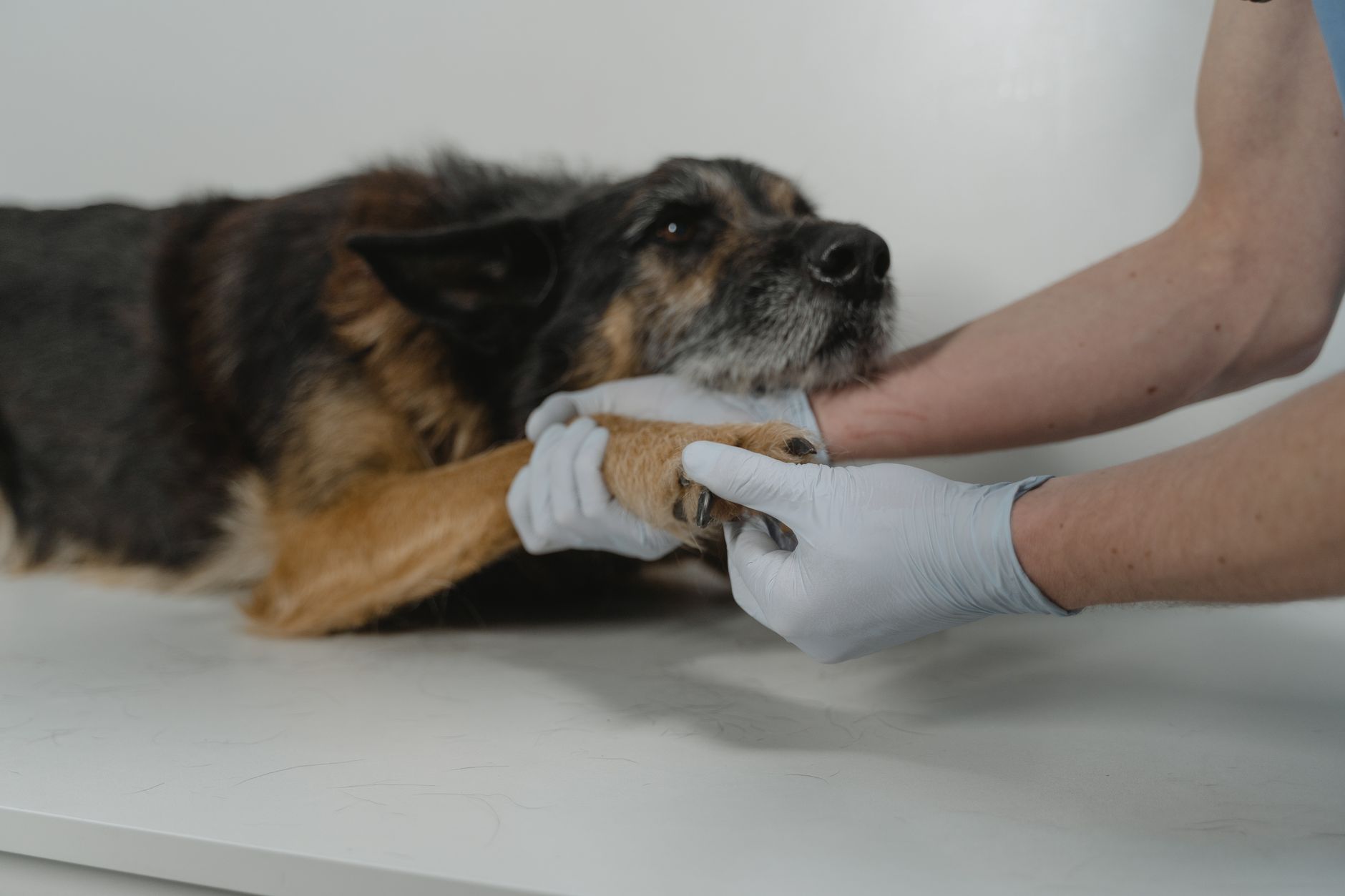
Our furry friends bring immense joy into our lives. They're family. Yet, sometimes, during those enthusiastic play sessions, feeding times, or even just a clumsy moment, a playful paw can turn into a scratch. While many dog scratches might seem minor, a quick scratch from your beloved canine companion can sometimes open the door to unexpected health concerns. It's not about fearing our pets, but about being informed and prepared. In India, where dogs are increasingly becoming cherished members of our households, understanding these potential risks is vital for every pet parent. Let's explore what could be lurking in that seemingly innocent scratch and how to keep both you and your dog safe and healthy. What Happens When a Dog Scratches You? A dog's nails, though essential for their mobility, can be sharp. When they accidentally (or sometimes, intentionally during play) rake across your skin, they can break the surface. This creates a wound, a potential entry point for microorganisms. You might notice immediate redness, perhaps some mild pain, and swelling. For the most part, these symptoms resolve quickly with basic first aid. However, in some instances, these scratches can lead to more significant health issues that require prompt medical attention. It's that possibility, however small, that we need to be aware of. Common Culprits: Bacteria and Beyond Several types of bacteria can reside in a dog's mouth and on their paws, and these can be transmitted through scratches. One particular concern is Capnocytophaga bacteria. While these bacteria are commonly found in dogs and rarely cause problems for humans, they can pose a risk, especially if your immune system isn't at its peak. The saliva of an infected animal can carry these germs, and a scratch provides a direct route into your bloodstream. The infections caused by Capnocytophaga can, in rare but serious cases, progress rapidly and become life-threatening. We must also consider the age-old threat: tetanus. Tetanus: A Reminder for Vaccination Tetanus, a serious bacterial infection, is caused by Clostridium tetani bacteria. These bacteria are commonly found in soil, dust, and animal feces. A deep puncture wound, like one from a dog's nail, can introduce these bacteria into the body. If your tetanus vaccination isn't up-to-date, you could be at risk. This is a stark reminder of the importance of routine immunizations, not just for children, but for adults too. Keeping your vaccinations current is a simple yet powerful preventive measure. Sepsis: The Body's Overreaction In the most severe scenarios, an infection originating from a dog scratch could potentially spread throughout the body, leading to sepsis. Sepsis is a life-threatening emergency where the body's response to infection damages its own tissues. It's a critical condition that requires immediate medical intervention. While this is a rare outcome, recognizing the signs early can be life-saving. Recognizing the Signs of Infection After a dog scratch, it's essential to monitor the wound closely as it heals. Most scratches heal without issue, but vigilance is key. Look out for these potential signs of infection: Increased redness around the wound that spreads outwards. Worsening pain or tenderness at the scratch site. Swelling that doesn't subside or increases. Warmth radiating from the area of the scratch. Pus or discharge from the wound. Red streaks extending from the wound – this is a particularly worrying sign and needs immediate attention. Fever or chills, indicating a systemic infection. If you notice any of these symptoms, don't delay. Contact your doctor or visit a healthcare facility promptly. The Rabies Concern: When to Worry While less common from scratches than bites, the possibility of rabies transmission from a dog scratch, especially from an unvaccinated or stray animal, cannot be entirely dismissed. Rabies is a viral infection that attacks the nervous system and is almost always fatal if not treated promptly after exposure. Domesticated dogs in India are increasingly vaccinated, which significantly reduces the risk. However, if you are scratched by a stray dog, a dog with unknown vaccination status, or a dog exhibiting unusual behavior (like aggression, disorientation, or excessive drooling), seeking immediate medical advice is paramount. The virus can be present in an infected animal's saliva, and a scratch could potentially introduce it. Signs of rabies in dogs can include: Sudden changes in behavior: unusual aggression or fear. Vocalization changes: altered barks or whimpers. Disorientation or stumbling. Increased drooling or foaming at the mouth. Attacking people or other animals without provocation. If you suspect rabies exposure, urgent medical evaluation is critical. Immediate First Aid: Your First Line of Defense The good news is that prompt and proper first aid can significantly reduce the risk of infection from a dog scratch. Here's what you should do right away: Wash the Wound: Gently wash the scratched area with mild soap and plenty of running water for at least 5 minutes. Do not scrub aggressively, as this can further damage the skin and push bacteria deeper. Rinse thoroughly. Control Bleeding: If the scratch is bleeding, apply gentle pressure with a clean cloth or sterile gauze pad until the bleeding stops. Apply Antibiotic Ointment: Once the wound is clean and dry, apply a thin layer of an over-the-counter antibiotic cream or ointment. This helps prevent bacterial growth. Cover the Wound: Protect the scratch by covering it with a sterile bandage. Change the bandage daily or if it becomes wet or dirty. This initial care is your most important step in preventing complications. When to Consult a Doctor While most minor scratches heal without issue, certain situations warrant a visit to your doctor or a healthcare professional. Don't hesitate if: The scratch is deep or wide. The wound is bleeding heavily and won't stop with pressure. You see any signs of infection (as listed above). The scratch was from a stray dog or a dog with an unknown vaccination history. You have a weakened immune system (due to conditions like diabetes, HIV, or chemotherapy). You are unsure about your tetanus vaccination status. You develop a fever or feel generally unwell after the scratch. Your doctor can assess the wound, provide appropriate treatment (which might include stronger antibiotics or a tetanus booster), and rule out serious infections like rabies or sepsis. Prevention is Better Than Cure The best approach is to minimize the chances of getting scratched in the first place. Here are some practical tips for Indian pet owners: Gentle Handling: Always handle your dog gently. Avoid roughhousing that might lead to accidental scratches. Supervise Play: Especially with children, always supervise interactions with dogs to prevent overly boisterous play. Respect Their Space: Teach children and adults to not disturb a dog when they are eating, sleeping, or caring for their puppies. Training: Basic obedience training can help manage your dog's behavior, making them less likely to jump up or play too rough. Nail Trimming: Regularly trim your dog's nails to keep them blunt. This reduces the severity of any accidental scratches. Vaccination and Health: Ensure your dog is up-to-date on all vaccinations, especially rabies. Regular veterinary check-ups are essential. Awareness: Be aware of your dog's mood and body language. If they seem anxious or overstimulated, it might be time to calm down the interaction. Living Harmoniously with Your Canine Companion Our dogs are a source of unconditional love and companionship. A dog scratch is an unfortunate, but often minor, consequence of sharing our lives with them. By understanding the potential risks, practicing good hygiene, administering prompt first aid, and knowing when to seek medical help, we can continue to enjoy a happy and healthy life with our four-legged family members. Stay informed, stay safe, and keep those tails wagging! Frequently Asked Questions (FAQ) Q1: Can a dog scratch cause rabies? While rabies is more commonly transmitted through bites, it is possible, though rare, for transmission to occur through a scratch if the dog's saliva containing the virus comes into contact with the broken skin. This risk is higher with stray or unvaccinated animals. Q2: How serious is a Capnocytophaga infection from a dog scratch? Capnocytophaga infections are rare but can be serious. They can progress quickly and, in some cases, become life-threatening, particularly in individuals with weakened immune systems. Prompt medical attention is important if infection is suspected. Q3: Do I need a tetanus shot after every dog scratch? Not necessarily. If your tetanus vaccination is up-to-date (typically within the last 10 years for a significant wound), you may not need a booster. However, if you are unsure of your vaccination status or if the wound is deep, consult your doctor. They will advise based on your history and the wound's nature. Q4: My dog licked a scratch on my arm. Is that dangerous? While a dog's saliva contains bacteria, the risk from a lick is generally lower than from a scratch or bite. However, if your skin is broken, there's still a minimal risk. It's best to clean the area thoroughly with soap and water and apply an antiseptic if available. If you have concerns, especially if you have a compromised immune system,
In summary, timely diagnosis, evidence-based treatment, and prevention-focused care improve long-term health outcomes.