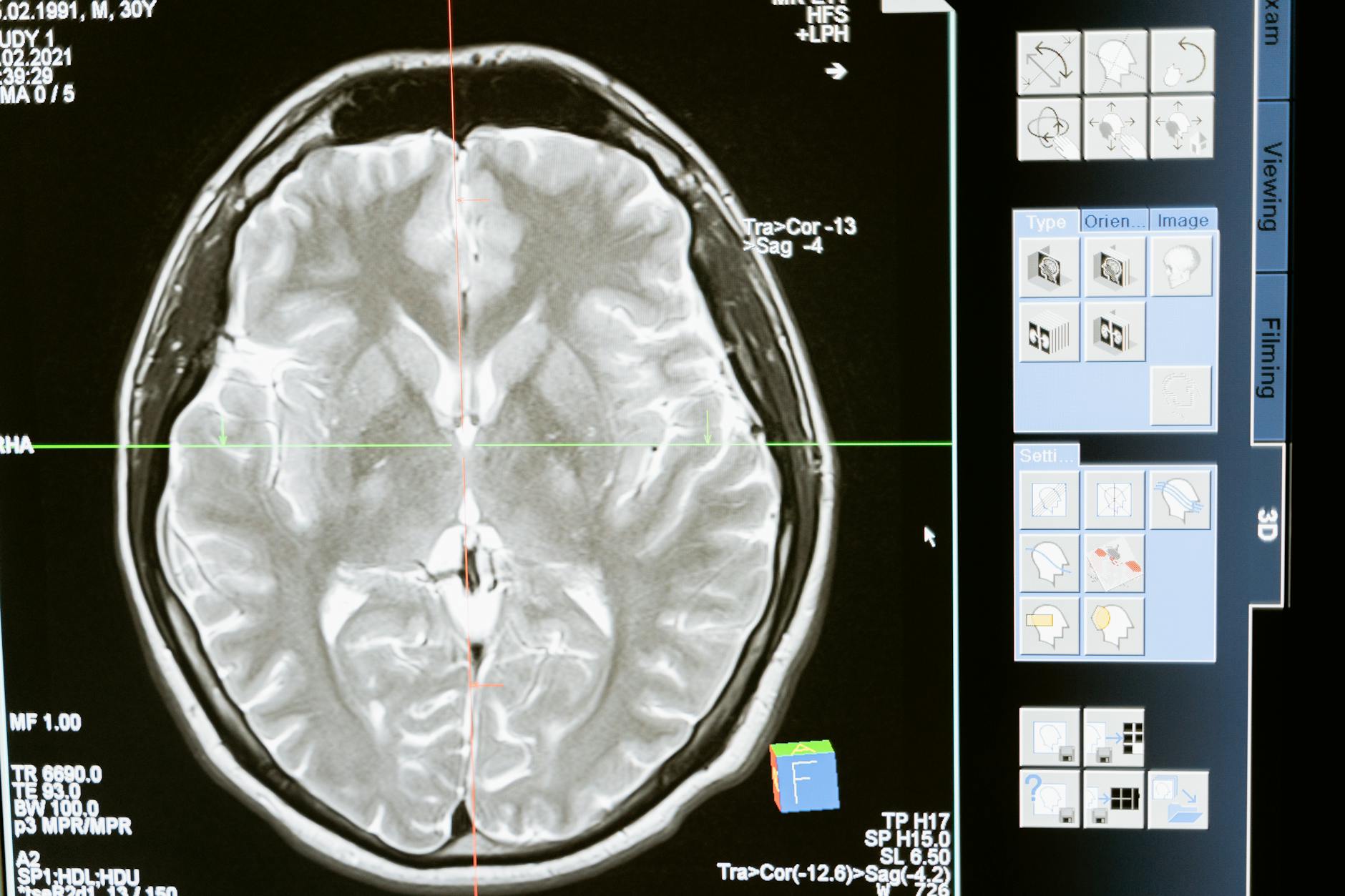
Ever wondered what makes you feel happy, motivated, or focused? Often, the answer lies with a special chemical messenger in your brain called dopamine. You might have heard it called the "feel-good" neurotransmitter, and for good reason! Dopamine plays a huge role in how we experience pleasure and reward, influencing our mood, motivation, and even our ability to concentrate. But its job doesn't stop there; dopamine is also a key player in controlling body movements, regulating mood, and guiding our decision-making processes.
Think of dopamine as a tiny messenger zipping between nerve cells (neurons) in your brain. It's released when your brain anticipates something good – a delicious meal, a fun activity, or even just a pleasant thought. This anticipation can trigger a dopamine release, and when you experience the reward, it reinforces that behavior, making you want to seek it out again. This creates a powerful cycle of motivation, reward, and reinforcement that shapes much of our daily behaviour.
While its role in pleasure is well-known, dopamine is involved in many other vital bodily functions. These include regulating pancreatic function and insulin release, managing our drive for rewards, and contributing to our overall alertness and focus. It's important to remember that dopamine doesn't work in isolation; it collaborates closely with other important neurotransmitters and hormones, like serotonin and adrenaline, as well as environmental factors, to maintain our physical and psychological well-being.
The Ideal Balance: What Healthy Dopamine Levels Mean
When dopamine levels are just right, you typically experience a good mood, feel alert, and find it easier to focus, plan, and be productive. This balance supports optimal learning and cognitive function. A surge of dopamine can lead to feelings of euphoria, making you feel on top of the world, albeit temporarily. This heightened state can boost creativity and energy, but sustained high levels can sometimes lead to less desirable outcomes.
Recognizing Low Dopamine: Signs and Symptoms
Can you tell if your dopamine levels are dipping too low? While it's not always straightforward, certain signs might suggest a deficiency. Low dopamine can contribute to feeling down or unmotivated. You might experience:
- A persistent low mood or feelings of sadness
- Reduced motivation to engage in activities you once enjoyed
- Difficulty concentrating or focusing on tasks
- Increased fatigue and lower energy levels
- Sleep disturbances, including insomnia or excessive sleepiness
- Changes in appetite or weight
- Constipation or digestive issues
Real-life scenario: Imagine Meera, a usually cheerful homemaker, who suddenly finds herself struggling to get out of bed. Her favorite cooking sessions feel like a chore, and she’s constantly tired, even after a full night’s sleep. She’s lost interest in her hobbies and feels a general lack of enthusiasm for life, which is quite unlike her usual self.
Conditions Linked to Low Dopamine
Several health conditions are associated with lower dopamine levels. These include:
- Parkinson's Disease: This neurodegenerative disorder affects movement and is characterized by tremors, stiffness, and slowed motor function. It's linked to the loss of dopamine-producing neurons in a specific part of the brain.
- Depression: While depression is complex, imbalances in neurotransmitters, including dopamine, are thought to play a role. Symptoms like persistent sadness, sleep problems, and cognitive difficulties can be exacerbated by low dopamine.
- Dopamine Transporter Deficiency Syndrome (DTDS): Also known as infantile parkinsonism-dystonia, this rare genetic disorder causes severe movement abnormalities from infancy, resembling Parkinson's disease.
When Dopamine Levels Are Too High: Understanding the Effects
Conversely, having too much dopamine can also cause problems. While a temporary surge might feel good, consistently elevated levels can lead to a state of overstimulation. This can manifest as:
- Restlessness and agitation
- Increased impulsivity
- Difficulty sitting still
- Hallucinations or delusions (in severe cases)
- Manic episodes in bipolar disorder
Potential Role of High Dopamine in Certain Conditions
Research suggests that elevated dopamine levels might be implicated in conditions such as:
- Psychosis: Particularly in conditions like schizophrenia, an overactivity in certain dopamine pathways is a leading hypothesis.
- ADHD (Attention-Deficit/Hyperactivity Disorder): While complex, some theories suggest that dysregulation in dopamine signaling might contribute to the inattentive and hyperactive symptoms.
- Addiction: Drugs of abuse often hijack the brain's reward system, causing unnaturally high spikes in dopamine, which reinforces drug-seeking behavior and leads to addiction.
How Lifestyle Choices and Habits Affect Dopamine
Your daily habits and environment significantly influence dopamine production and regulation. Here’s how:
The Impact of Sleep
Lack of adequate sleep can noticeably reduce the availability of dopamine receptors in your brain. When you don't get enough rest, your brain's ability to respond to dopamine is diminished, potentially affecting your mood and focus. Conversely, being sleep-deprived can also make you feel sleepy, creating a confusing cycle. Aim for 7-9 hours of quality sleep each night to support healthy dopamine function.
The Role of Stress
Chronic stress can disrupt neurotransmitter balance, including dopamine. While short bursts of stress might temporarily increase dopamine, prolonged stress can deplete your reserves and negatively impact mood and motivation. Finding healthy ways to manage stress, such as mindfulness, exercise, or spending time in nature, is vital.
Diet and Nutrition
Your diet provides the building blocks for neurotransmitters. Foods rich in protein, like lean meats, fish, beans, and dairy, contain amino acids like tyrosine, which is essential for dopamine synthesis. Ensure you're getting enough vitamins and minerals, particularly B vitamins and iron, which also play supporting roles.
Exercise and Physical Activity
Regular physical activity is a fantastic way to boost dopamine levels naturally. Exercise not only improves mood but also enhances dopamine receptor sensitivity. Aim for at least 150 minutes of moderate-intensity aerobic exercise per week, or 75 minutes of vigorous activity, along with muscle-strengthening exercises.
The Influence of Drugs and Addictive Behaviors
Certain substances, including nicotine, alcohol, and illicit drugs, can artificially stimulate dopamine release, creating intense, short-lived highs. This powerful rush can quickly lead to dependence and addiction, as the brain adapts to these high levels and craves the artificial stimulation. Breaking free from addiction often involves addressing the underlying dopamine dysregulation.
When to Seek Professional Help
If you're experiencing persistent changes in mood, motivation, energy levels, or cognitive function, it's essential to consult a healthcare professional. While lifestyle changes can support dopamine balance, underlying medical conditions might require specific treatment. A doctor can help diagnose the cause of your symptoms and recommend the most appropriate course of action. Don't hesitate to reach out if you're concerned about your mental or physical well-being.
Frequently Asked Questions (FAQs)
- Can I naturally increase my dopamine levels?
Yes, you can support healthy dopamine levels through lifestyle changes. Regular exercise, a balanced diet rich in protein, adequate sleep, stress management techniques like meditation, and engaging in activities you enjoy can all contribute to natural dopamine regulation.
- Is dopamine only about pleasure and reward?
No, dopamine's functions extend far beyond pleasure and reward. It is crucial for motor control, motivation, learning, mood regulation, attention, and even plays a role in bodily functions like insulin regulation.
- What are the main signs of low dopamine?
Common signs of low dopamine can include persistent low mood, lack of motivation, difficulty concentrating, fatigue, sleep disturbances, and changes in appetite. These symptoms can significantly impact daily life.
- How do addictive drugs affect dopamine?
Addictive drugs trigger an unnaturally large and rapid release of dopamine in the brain's reward pathway. This intense surge reinforces the drug-taking behavior, leading to cravings and a cycle of addiction as the brain adapts to the artificial stimulation.