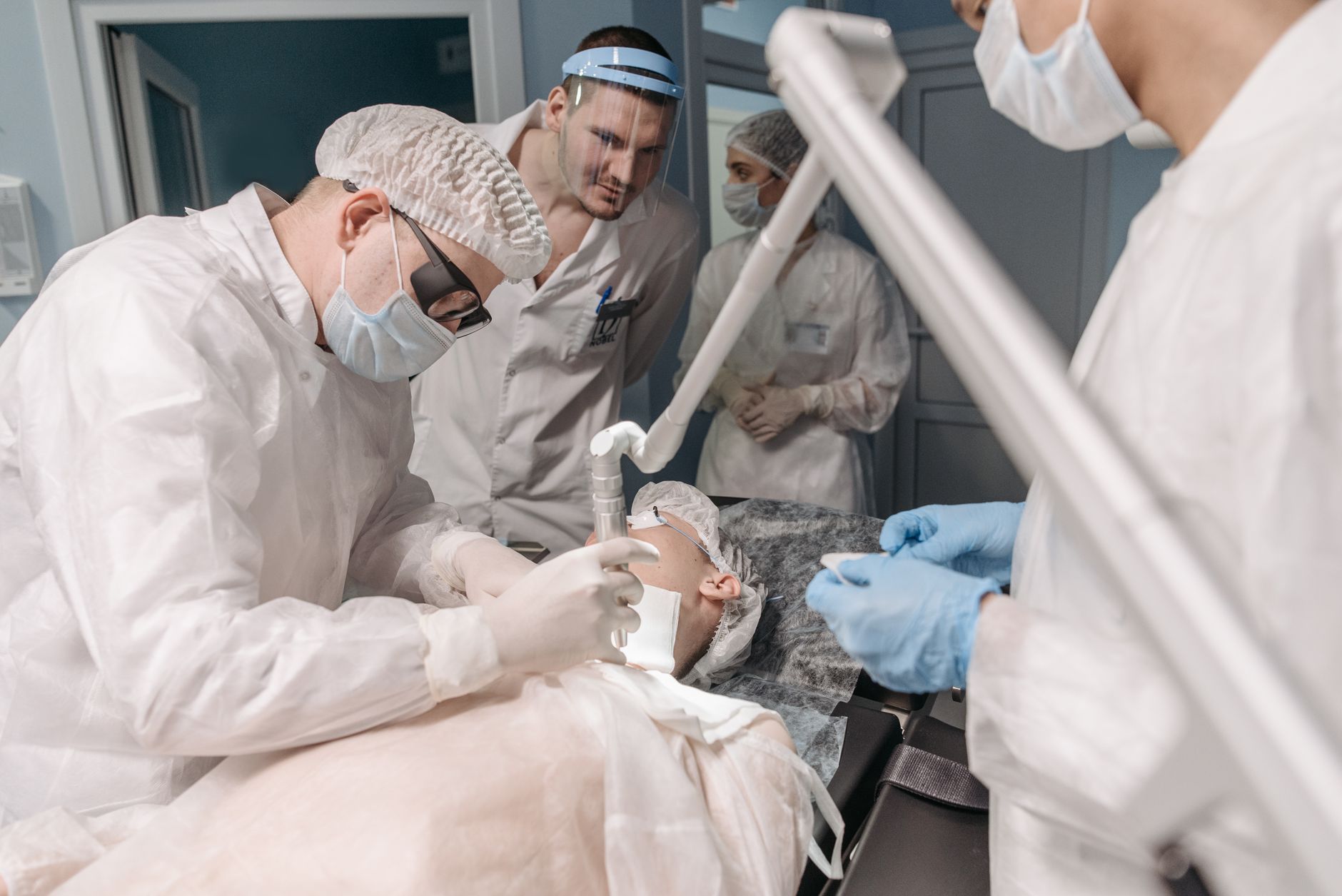
Understanding Ear Keloids: A Comprehensive Guide Keloids are an unfortunate consequence of the body's natural healing process. When your skin sustains an injury, whether it's a minor cut, a surgical incision, or even an ear piercing, your body responds by producing scar tissue to repair the damage. In some individuals, this process goes into overdrive, leading to an overproduction of collagen. This excess scar tissue forms a raised, often lumpy, growth that extends beyond the boundaries of the original wound. These are known as keloids. Ear keloids, specifically, are a common concern, particularly among those who have had their ears pierced. They can appear on both the earlobe and the cartilage, presenting as small, round bumps that may initially be flesh-colored or pink, and over time can darken to a reddish-brown or even a darker brown hue, depending on your skin tone. While they are generally harmless and don't pose a health risk, ear keloids can be a source of cosmetic concern and, in some cases, discomfort or itching. What Causes Ear Keloids? The primary cause of keloids is an abnormal healing response to skin injury. While any trauma to the skin can potentially lead to a keloid, certain factors increase an individual's susceptibility: Genetics: If keloids run in your family, you are more likely to develop them yourself. Skin Tone: Individuals with darker skin tones, particularly those of African, Asian, or Hispanic descent, are significantly more prone to keloid formation. Studies suggest they are 15 to 20 times more likely to develop keloids compared to people with lighter skin. Age: Keloids are most common in individuals between the ages of 10 and 30. Type of Injury: While ear piercings are a frequent culprit, other injuries like burns, acne, insect bites, surgical scars, and even scratches can trigger keloid formation. Symptoms of Ear Keloids The appearance of an ear keloid can vary, but common signs include: A raised, firm bump or mass of scar tissue around the site of an injury, most commonly an ear piercing. The keloid may be flesh-colored, pink, red, or dark brown. It can range in size from small to quite large, sometimes significantly exceeding the size of the original wound. Some keloids may cause itching, tenderness, or pain, especially in the early stages. They can continue to grow slowly for months or even years after the initial injury. Diagnosis of Ear Keloids Diagnosing an ear keloid is typically straightforward and is usually done by a dermatologist or other qualified healthcare professional. The diagnosis is primarily based on: Visual Examination: The doctor will examine the appearance and location of the scar tissue. Medical History: They will ask about your personal and family history of keloids and any recent skin injuries. Distinguishing from Hypertrophic Scars: It's important to differentiate keloids from hypertrophic scars, which are also raised scars but tend to stay within the boundaries of the original wound and may regress over time. Keloids, on the other hand, grow beyond the wound margins and often do not regress on their own. Treatment Options for Ear Keloids Treating ear keloids can be challenging, as they have a tendency to recur even after removal. Often, a combination of treatments yields the best results. It's crucial to consult a dermatologist for a personalized treatment plan. Medical Treatments: Corticosteroid Injections: These are often the first line of treatment. Steroids are injected directly into the keloid, helping to reduce inflammation, shrink the scar, and soften its texture. Multiple sessions, typically every 3-4 weeks, are usually required. Studies show that about 50-80% of keloids shrink after this treatment, but recurrence is possible. Cryotherapy: This involves freezing the keloid with liquid nitrogen. It's often used in conjunction with corticosteroid injections for enhanced effectiveness. Several sessions may be needed. Laser Therapy: Pulsed dye laser treatments can help to flatten keloids and reduce their redness. This treatment is often combined with other therapies like injections. Surgical Removal: For larger or more persistent keloids, surgical excision may be considered. However, surgery alone carries a high risk of recurrence. To mitigate this, it's often combined with other treatments such as radiation therapy, steroid injections, or pressure therapy immediately after surgery. Pressure Earrings: After surgical removal, wearing specialized pressure earrings for extended periods (16 hours a day for 6-12 months) can help prevent the keloid from returning by applying continuous pressure to the area. Radiation Therapy: This is typically used after surgical removal to help prevent recurrence. It's usually administered in low doses and in conjunction with other treatments. Silicone Gel Sheets or Gels: Applying silicone gel sheets or topical silicone gels consistently for several months can help improve the texture and fade the color of keloids. Clinical studies indicate that this can significantly flatten raised scars. Home Remedies (Use with Caution): While many home remedies are discussed online, their effectiveness for keloids is often not scientifically proven, and some can even worsen the condition. It is always best to consult a doctor before trying any home treatment. Onion Extract: Some studies suggest that onion extract may have anti-inflammatory properties that could help with keloids, but evidence is limited. Honey: Known for its healing properties, honey might offer some benefit due to its antibacterial and anti-inflammatory effects, but it's unlikely to eliminate a keloid. It is crucial to understand that home remedies are generally not sufficient for treating established keloids and should not replace medical advice or treatment.
In summary, timely diagnosis, evidence-based treatment, and prevention-focused care improve long-term health outcomes.