Growing up, I wasn't exactly the 'outdoorsy' type. My world revolved around books, a quiet escape. Then, at 8, life threw a curveball: a Type 1 Diabetes (T1D) diagnosis. My adventures were limited to gentle family walks in local nature spots. As a teenager, the constant battle with 'diaburnout' – that overwhelming exhaustion from 24/7 diabetes management – took its toll. The shame associated with my blood sugar levels, especially when my parents inquired, only added to the burden. Predictably, my blood sugar and A1C levels began to climb. I just assumed the persistent fatigue was a normal part of being a teenager.
Then came college, and a turning point: an endocrinologist introduced me to a Continuous Glucose Monitor (CGM). This device, a small sensor on my skin, beamed my blood sugar readings to my phone. Suddenly, I could see my glucose trends in real-time. This wasn't just data; it was empowerment. It was the beginning of taking back control.
The CGM offered unexpected gifts. It illuminated how my levels fluctuated with different activities. This is when I stumbled upon the magic of the outdoors. More than just feeling better, my blood sugars started behaving. In nature, my body, despite its chronic condition, seemed to shed its limitations. There was no external judgment, only my internal dialogue: could I finish this hike? Should I push a little harder? In those moments, I wasn't just a person with diabetes; I was an adventurer.
I truly believe that spending time outdoors, exploring new places, can be transformative for anyone, regardless of their health status or abilities. It's a journey of self-discovery. But I understand the hesitation. Stepping into the unknown can feel daunting, especially when your daily routines for managing a condition might not translate. So, from one explorer to another, here are some tips I wish I'd known when I first started embracing my outdoorsy side.
Planning Your Outdoor Adventures with Diabetes
Preparation is Key: Before lacing up your hiking boots, plan ahead. This allows you to adjust your insulin regimen based on your body's unique response to exercise. My first step is always checking resources like AllTrails.com to gauge the hike's difficulty. Understanding the terrain helps immensely.
Understanding Exercise and Blood Sugar: My blood sugar plummets during strenuous cardio. However, it tends to rise with more anaerobic exercises, like those involving significant upper body strength. This knowledge is power.
Insulin Adjustments: For steep uphill climbs, I often reduce my basal (background) insulin. For shorter, more challenging hikes with rock scrambles, I might keep my basal rates as they are. It's a balancing act, and there's a learning curve.
Trial and Error: Don't be afraid of a little trial and error when adjusting your basal insulin. Start with small, manageable adjustments. I learned what worked best for me through careful observation and incremental changes. Patience is your best friend here.
Essential Gear and Safety Tips
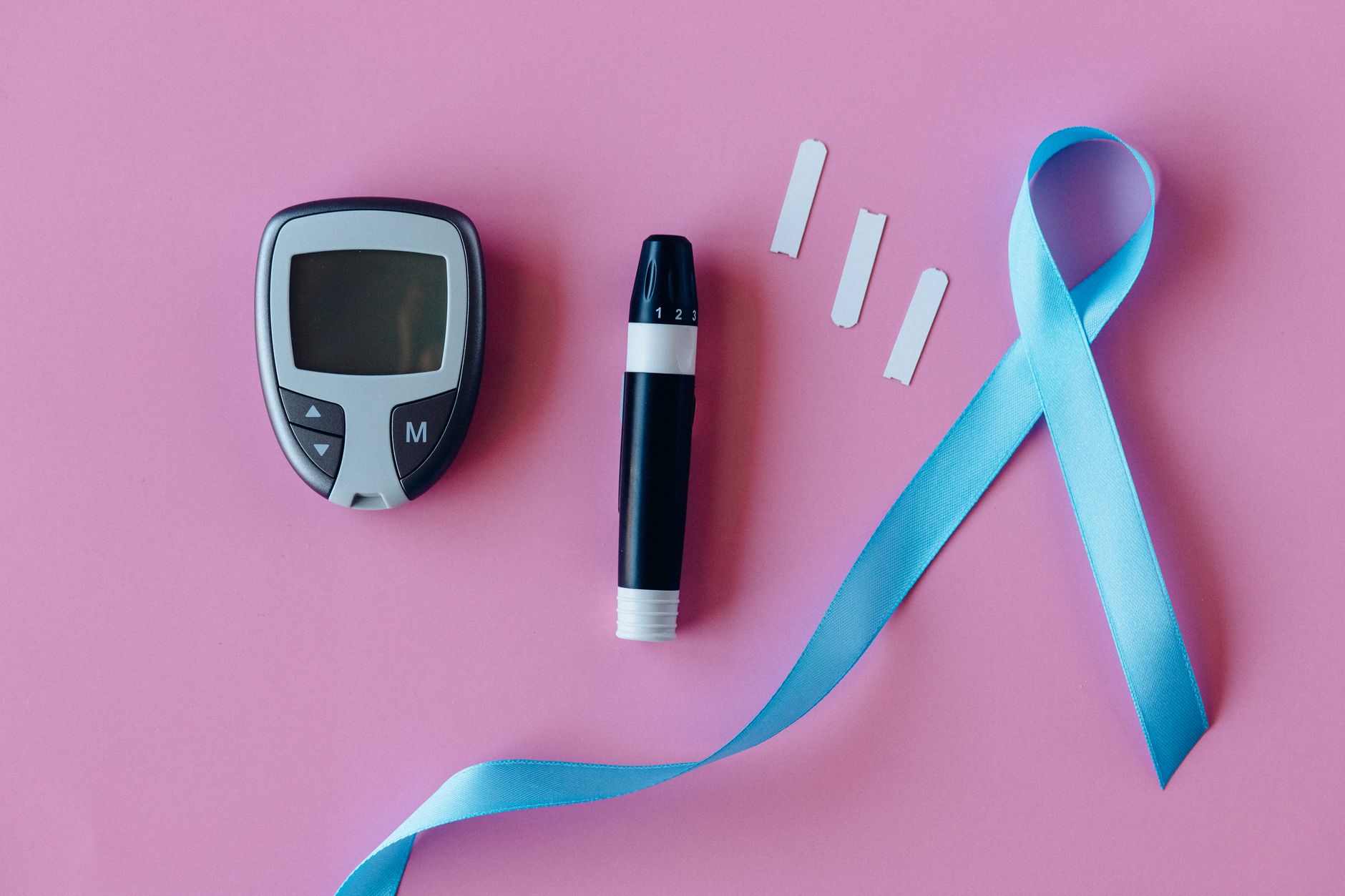
Carry Your Supplies: Always pack more diabetes supplies than you think you'll need. This includes your glucose meter, test strips, lancets, insulin, syringes or pens, glucagon, and fast-acting carbohydrates (like glucose tablets or juice) for hypoglycemia. Don't forget a sharps container for used lancets.
Stay Hydrated: Dehydration can affect blood sugar levels. Drink plenty of water, especially during physical activity and in hot weather. Carry extra water, more than you think you'll need.
Inform Someone: Let a friend, family member, or hiking companion know you have diabetes and where you keep your supplies. Share your emergency plan. If you're hiking solo, ensure someone knows your route and expected return time.
Wear Medical Identification: A medical ID bracelet or necklace is vital. It clearly states you have diabetes and provides emergency contact information, which can be life-saving if you're unable to communicate.
Monitor Your Blood Sugar Regularly: Check your blood sugar more frequently than usual, especially when trying new activities or in different environments. Your CGM is invaluable here, providing continuous data.
Listen to Your Body: Pay close attention to how you feel. Dizziness, shakiness, confusion, or extreme fatigue can be signs of hypoglycemia. Headaches or excessive thirst might indicate hyperglycemia. Don't push yourself if you feel unwell.
Making the Most of National Parks
Did you know there are 63 national parks in the United States? And for individuals with disabilities, the National Park Service offers a free, lifetime Access Pass. While not everyone with T1D identifies as living with a disability – and that’s perfectly okay, it’s a personal choice – this pass can be a fantastic resource. My own initial resistance to the outdoors was partly fueled by my less-than-ideal diabetes control. It felt risky to venture far from emergency medical services, especially with poor control.
But the CGM changed everything. It gave me the confidence to explore. With careful planning and a focus on safety, the great outdoors became my sanctuary. It proved that my condition didn't have to define my limits. I could be an adventurer, a discoverer, and yes, someone living with diabetes, all at once.
When to Consult Your Doctor
Before embarking on any new fitness routine or significant outdoor adventure, it's wise to chat with your healthcare provider. Discuss your plans, especially if they involve strenuous activity or travel to different altitudes. Your doctor can offer personalized advice on insulin adjustments, carbohydrate intake, and recognizing potential complications. They can also help you fine-tune your diabetes management plan to best support your active lifestyle.
Frequently Asked Questions (FAQ)
Can people with diabetes hike? Absolutely! With proper planning and precautions, hiking can be a safe and incredibly rewarding activity for individuals with diabetes.What are the risks of exercise for people with diabetes? The primary risks include hypoglycemia (low blood sugar) and hyperglycemia (high blood sugar). Dehydration and foot injuries are also concerns. Careful monitoring and planning mitigate these risks.How does exercise affect blood sugar? Exercise generally lowers blood sugar levels by increasing insulin sensitivity and glucose uptake by muscles. However, the effect can vary depending on the type, intensity, and duration of the exercise.What should I carry if I have diabetes and go hiking? Always carry your diabetes management supplies: glucose meter, test strips, insulin, syringes/pens, fast-acting carbohydrates (glucose tabs, juice), water, and a medical ID.Is it safe to use a CGM outdoors? Yes, CGMs are excellent tools for managing diabetes during outdoor activities. They provide real-time data, helping you understand how your body responds to exercise and environmental factors.