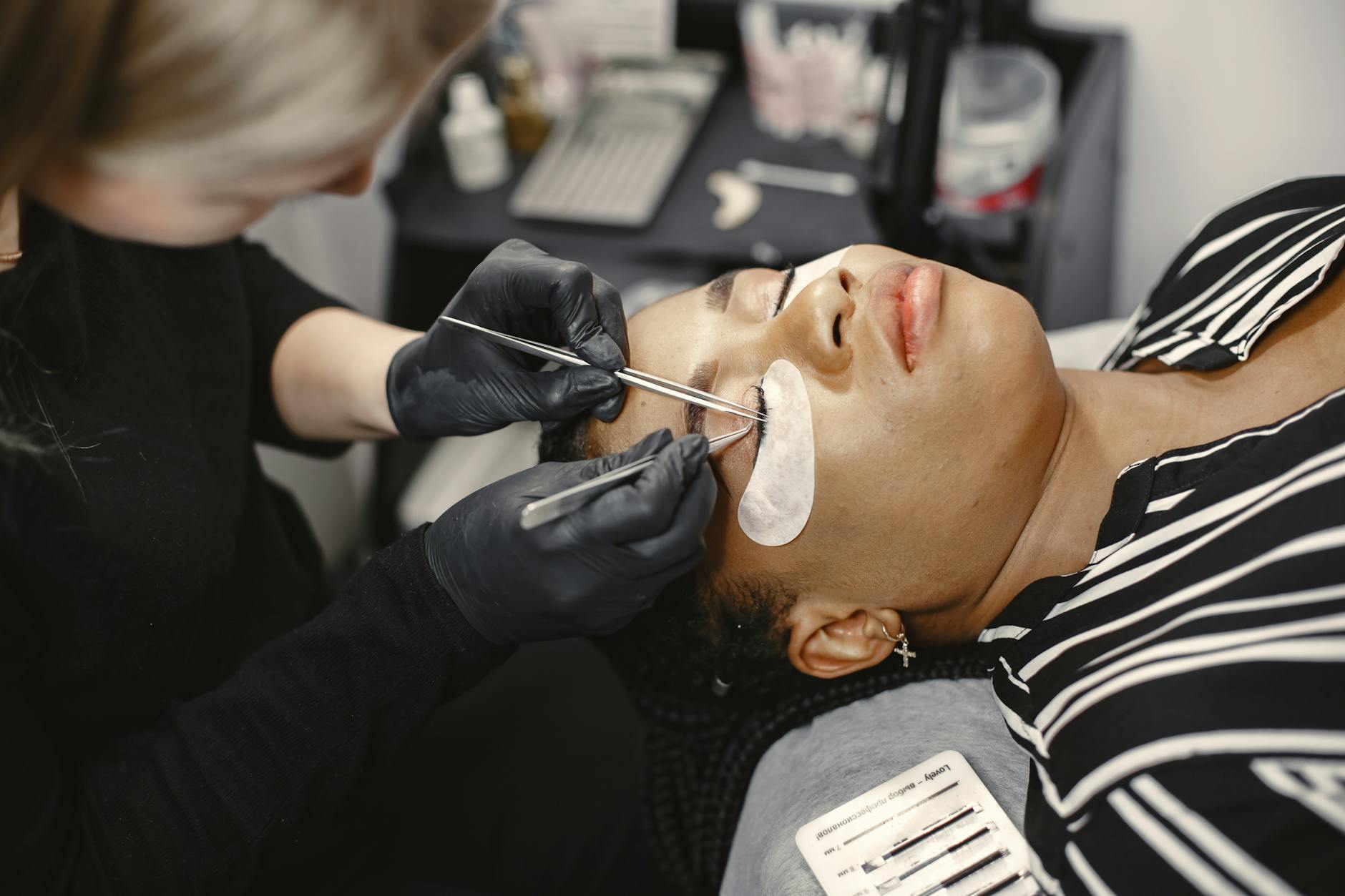
Understanding Blepharitis and Eyelash Extensions Eyelash extensions have become a popular beauty treatment, offering a way to achieve longer, fuller-looking lashes. This process involves carefully adhering individual extensions, often made from synthetic materials like polyester or even natural fibers like mink, to your existing natural lashes. While millions of individuals undergo this procedure each year without any adverse effects, a subset of people may experience complications. One such potential complication is blepharitis, a condition characterized by inflammation of the eyelids. Blepharitis is a rather common eye condition. Fortunately, it is not contagious and rarely leads to long-term damage to the eyes or eyelids. However, it can certainly be an uncomfortable experience for those affected. In more severe instances, blepharitis can lead to: Eyelashes growing in abnormal directions. Swelling of the cornea or other parts of the eye. Why Blepharitis Can Develop After Eyelash Extensions The exact reasons why eyelash extensions increase the risk of developing blepharitis are not fully understood by researchers, but several theories exist. Blepharitis typically arises from the accumulation of bacteria on the eyelids, particularly around the base of the eyelashes where they grow. While a certain level of bacteria is normal around the eyes for everyone, specific factors can significantly increase their quantity. These factors can include the use of products like mascara, contact lens solutions, and, relevantly, eyelash extensions. Another common cause of blepharitis is the clogging of the oil glands located around the eyelids. These glands produce oil that helps lubricate the eyes and keep them healthy. When these glands become blocked, it can lead to inflammation and irritation. The adhesives used in eyelash extensions are also a potential culprit. Lash glues frequently contain ingredients like latex and ammonia, which are known common allergens for many individuals. Furthermore, these glues can release significant levels of formaldehyde, a toxic substance that can cause severe irritation to the delicate skin around the eyes and the eyes themselves. It's also worth noting that even if a full-blown case of blepharitis doesn't develop, an estimated 73 percent of individuals report experiencing some form of eye-related side effects following the application of eyelash extensions. These can range from mild irritation to more noticeable discomfort. Symptoms of Blepharitis The symptoms of blepharitis can vary in intensity and may include: Red, irritated, or swollen eyelids. An itchy or gritty sensation in the eyes. Crusting or flaking of the skin around the eyelashes. Watery eyes. A burning sensation. Sensitivity to light (photophobia). Feeling like something is in the eye. Dry eyes. Blurred vision, especially upon waking. Diagnosis of Blepharitis Diagnosing blepharitis usually involves a physical examination of the eyes by a healthcare professional, such as an ophthalmologist or optometrist. They will look for signs of inflammation, crusting, and any abnormalities around the eyelids and eyelashes. Sometimes, they may use a special microscope to get a closer look at the eyelid margins and the oil glands. In some cases, a doctor might take a sample of the crusts or discharge from the eyelid to test for specific types of bacteria or other microorganisms that could be contributing to the inflammation. This helps in determining the most effective treatment approach. Treatment for Blepharitis While there isn't a single, universally proven cure for blepharitis, several effective management strategies can help alleviate symptoms. The cornerstone of treatment involves diligent eyelid hygiene. Eyelid Cleaning Routine A regular eyelid cleaning routine is crucial. Here’s a step-by-step guide: Clean Hands: Begin by thoroughly washing your hands with soap and water to prevent the spread of bacteria. Mild Cleanser: Apply a drop of a mild, tear-free cleanser (like a baby shampoo diluted with water or a specific eyelid cleanser recommended by your doctor) onto a clean, damp washcloth or cotton pad. Warm Compress: Gently place the warm, damp cloth over your closed eyelids for a few minutes (typically 2-5 minutes). This helps to loosen any crusts and can also help to melt and unblock the oily secretions from the meibomian glands, which are crucial for tear film stability. Gentle Scrubbing: Using very little pressure, gently rub the cloth along your eyelid margins, where the eyelashes grow. This helps to remove the crusts, debris, and excess oil. Rinse: Rinse your eyes gently with clean water. This routine should ideally be performed at least once or twice daily, especially in the morning to remove any overnight crusting. Over-the-Counter (OTC) Options Over-the-counter eye drops, often referred to as 'artificial tears,' can be very helpful in managing symptoms of dryness and discomfort associated with blepharitis. These drops help to lubricate the eye's surface and provide temporary relief. Prescription Medications If your symptoms do not improve with basic eyelid hygiene and OTC remedies within a few days, it is important to consult a healthcare professional. They can conduct a thorough eye examination and may prescribe: Antibiotics: If the doctor suspects that bacteria are the primary cause of your blepharitis, they might prescribe antibiotic medications. These can be in the form of oral capsules, topical creams, or antibiotic eye drops. Steroid Eye Drops: In cases of significant inflammation and discomfort, steroid eye drops may be prescribed to help reduce redness, swelling, and pain. A study from 2012 indicated that a combination of eye drops and ointments was effective in resolving blepharitis symptoms in a group of 107 individuals. Treating Underlying Conditions Sometimes, blepharitis can be a symptom of an underlying medical condition, such as rosacea, psoriasis, or dandruff (seborrheic dermatitis). In such instances, the focus of treatment will be on managing the underlying condition, which in turn should help to improve the blepharitis symptoms. Eyelash Extension Removal If you have eyelash extensions and are experiencing blepharitis, your doctor might recommend removing the extensions. This can help reduce the irritation and allow the eyelids to heal more effectively. Prevention Strategies While there's no foolproof method to guarantee that you won't develop blepharitis from eyelash extensions, adopting certain practices can significantly reduce your risk: Practice Good Hygiene: Maintain excellent facial and eye hygiene. Wash your face and eyelids at least twice daily using clean hands. Always wash your hands thoroughly before touching your face or eyes to prevent the transfer of bacteria and other contaminants. Choose a Reputable Technician: Opt for a qualified and experienced lash technician who adheres to strict hygiene protocols. Ensure they use sterile tools and high-quality, hypoallergenic adhesives. Communicate with Your Technician: Inform your lash technician about any known allergies or sensitivities you have, particularly to latex, ammonia, or formaldehyde. Avoid Triggers: Be mindful of potential triggers. Products like mascara, certain eye makeup, contact lens solutions, and even the eyelash extensions themselves can sometimes provoke blepharitis. If you find that extensions consistently cause issues, you might consider avoiding them or taking a break. Regular Breaks: Consider taking regular breaks from wearing eyelash extensions to allow your natural lashes and eyelids to rest and recover. Gentle Makeup Removal: If you wear eye makeup in addition to extensions, use gentle, oil-free makeup removers and be careful not to rub your eyes excessively. When to Consult a Doctor It is advisable to seek professional medical attention if you experience any of the following: Symptoms of blepharitis that do not improve after a week of consistent home care and eyelid hygiene. Severe pain, redness, or swelling in or around the eyes. Changes in vision, such as blurred vision that doesn't clear with blinking. Any signs of infection, such as pus discharge. If you suspect an underlying condition like rosacea or psoriasis might be contributing to your symptoms. Early diagnosis and appropriate treatment can help manage blepharitis effectively and prevent potential complications. Frequently Asked Questions (FAQ) Can eyelash extensions cause permanent damage? Blepharitis caused by eyelash extensions is usually temporary and resolves with proper treatment and hygiene. However, in rare, severe, or untreated cases, chronic inflammation could potentially lead to changes in eyelash growth or, very rarely, affect the cornea. It's crucial to seek medical advice if symptoms persist. How long does blepharitis from eyelash extensions typically last? The duration of blepharitis can vary greatly depending on the severity and how promptly and consistently treatment is followed. With diligent eyelid hygiene and appropriate medical care, symptoms can often improve within a few days to a couple of weeks. Chronic cases may require ongoing management. Is it safe to wear eye makeup with blepharitis? It's generally recommended to avoid eye makeup, especially mascara and eyeliner applied near the lash line, when you have active blepharitis, as it can further irritate the eyelids and clog oil glands. If you must wear makeup, opt for oil-free products and apply them carefully, avoiding the lash line. Always remove makeup thoroughly before sleeping. Can I still get eyelash extensions if I've had blepharitis before? If you've had blepharitis, especially if it was linked to eyelash extensions, it's essential to discuss this with your lash technician and potentially an eye doctor before getting extensions again. You might be more susceptible. Choosing a highly skilled technician, using hypoallergenic adhesives, and maintaining impeccable hygiene might reduce the
In summary, timely diagnosis, evidence-based treatment, and prevention-focused care improve long-term health outcomes.