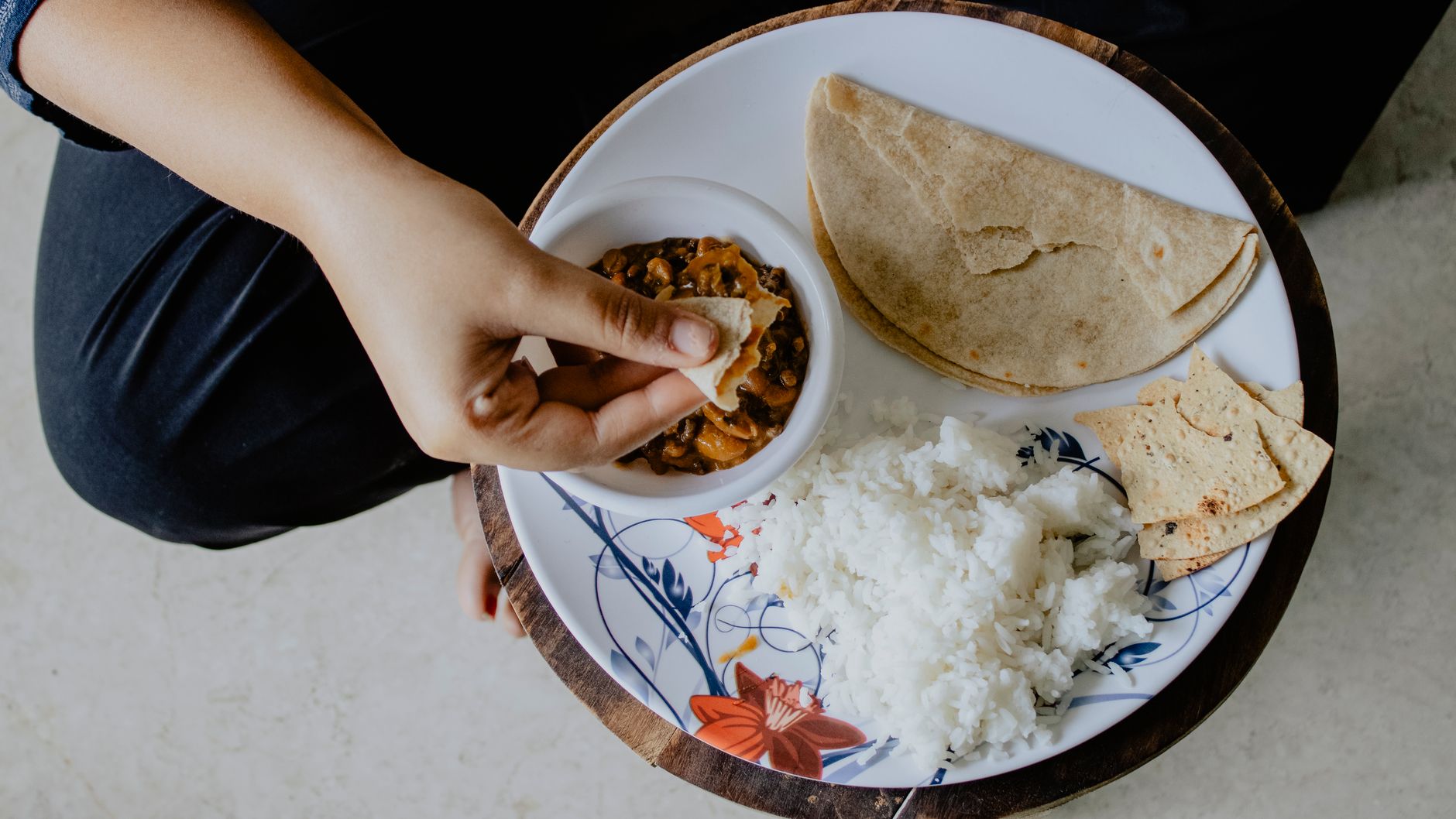
Living with Ulcerative Colitis (UC) can feel like navigating a minefield, especially when it comes to food. You're already dealing with inflammation in your gut, and then you start wondering, "Could my food be making things worse?" This is where the question of food allergies often pops up. It’s a valid concern, and understanding the connection, or lack thereof, between food allergies and UC is key to managing your health effectively. Let's break it down, Indian style, with practical advice and clear explanations.
What Exactly is Ulcerative Colitis (UC)?
First off, let's get a clear picture of UC. It's a type of Inflammatory Bowel Disease (IBD) that causes chronic inflammation and sores, called ulcers, in your large intestine (colon) and rectum. Think of it as your own body’s defense system going haywire, attacking the healthy lining of your gut. The exact cause isn't fully understood, but it's believed to involve a mix of genetic predisposition, immune system dysfunction, and environmental triggers.
And What About Food Allergies?
A food allergy is quite different. It's a specific immune system reaction. When you have a food allergy, your body mistakenly identifies a harmless food protein as a threat. It then launches an attack, releasing chemicals like histamine. This can lead to a range of symptoms, from mild itching and hives to severe, life-threatening anaphylaxis. Common culprits include milk, eggs, peanuts, soy, wheat, and seafood.
The Link: How Are They Connected?
Here’s where it gets interesting, and sometimes confusing. Both UC and food allergies involve the immune system acting up. In UC, the immune system attacks the colon. In food allergies, it overreacts to specific foods.
A key point: UC is an autoimmune condition where the immune system targets your own tissues. A food allergy is an immune response to a specific food protein. While they both involve immune system 'mistakes', they aren't the same thing.
However, there can be overlap. Some research suggests that people with UC might have higher levels of certain immune markers, like Immunoglobulin E (IgE), which is also involved in allergic reactions. Additionally, the damaged gut lining in UC might make it easier for allergens to enter the body and trigger reactions. It’s like the protective barrier of your gut is weakened, allowing things to slip through that normally wouldn't.
Symptoms That Might Seem Similar
This is where the confusion often starts. Both conditions can cause digestive distress. If you have UC, you might experience:
- Diarrhea (often with blood or pus)
- Abdominal pain and cramping
- Urgency to defecate
- Rectal bleeding
- Fatigue
- Weight loss
If you have a food allergy, you might experience:
- Hives or rash
- Itching
- Swelling of the lips, tongue, or face
- Nausea, vomiting, or diarrhea
- Abdominal cramps
- Wheezing or difficulty breathing
- Dizziness or fainting
Notice the overlap? Diarrhea, abdominal pain, nausea, and vomiting can occur in both. This is why it's so important to get a proper diagnosis.
What About Food Intolerances?
It's also vital to distinguish between a food allergy and a food intolerance. An intolerance doesn't involve the immune system in the same way. Lactose intolerance, for example, is a digestive issue where your body can't break down the sugar in milk. It can cause gas, bloating, and diarrhea, but it's not life-threatening like a true allergy.
Many people who think they have a food allergy might actually have a food intolerance, which can also exacerbate UC symptoms.
Diagnosis: How Do Doctors Figure It Out?
If you suspect you have a food allergy, especially if you have UC, seeing a doctor is your first step. They might refer you to an allergist (allergy specialist).
Skin Prick Test
This is a common method. The allergist places a tiny amount of a suspected allergen onto your skin, then gently pricks or scratches the surface. If you're allergic, a small, raised, itchy bump (like a mosquito bite) will appear within about 15-20 minutes. It's quick, but it can sometimes give false positives.
Blood Test (IgE Test)
This test measures the amount of IgE antibodies your immune system produces in response to specific allergens. A blood sample is taken and sent to a lab. Results can take a week or more. Like skin tests, blood tests can also sometimes be inaccurate.
Challenge Test
This is often considered the gold standard but is done under strict medical supervision. You'll eat small, gradually increasing amounts of the suspected food. If you have a reaction, the doctor can assess its severity and provide immediate treatment.
Elimination Diet
Under medical guidance, you temporarily remove suspected foods from your diet to see if symptoms improve. Then, you reintroduce them one by one to pinpoint the trigger.
Important Note: Never try to self-diagnose or conduct a food challenge at home. Severe allergic reactions can be dangerous.
When to Seek Immediate Medical Help
Some allergic reactions are medical emergencies. If you experience any of these symptoms after eating, call for emergency help immediately (like 108 or 112 in India) or go to the nearest emergency room:
- Anaphylaxis: This is the most severe form. Symptoms include throat swelling, difficulty breathing, rapid pulse, dizziness, and a sudden drop in blood pressure. It can happen very quickly and is life-threatening.
- Severe difficulty breathing
- Tightness in your throat or chest
Managing Food Allergies with UC
If you are diagnosed with a food allergy alongside UC, management involves a two-pronged approach:
- Strict Avoidance: The primary treatment for a food allergy is to completely avoid the trigger food. This means reading labels carefully and being aware of hidden ingredients.
- Managing UC: Continue to follow your UC treatment plan as prescribed by your gastroenterologist. Controlling the underlying inflammation in UC is paramount.
Can Probiotics Help?
Some studies, including one from 2016, suggest that a combination of immunotherapy (allergy treatments) and probiotics might help reduce symptoms of both UC and food allergies. Probiotics are supplements containing beneficial bacteria that can support gut health. Always discuss taking probiotics with your doctor, as they can interact with other treatments or may not be suitable for everyone with IBD.
Prevention Tips for a Healthier Gut
While you can't prevent UC or allergies from developing, you can take steps to support your overall gut health and manage your conditions:
- Follow your doctor's advice: Adhere strictly to your UC treatment plan.
- Mindful Eating: Pay attention to how different foods make you feel. Keep a food diary if it helps.
- Balanced Diet: Focus on a nutritious, well-balanced diet that meets your needs. Your doctor or a dietitian can guide you.
- Stay Hydrated: Drink plenty of water throughout the day.
- Stress Management: Stress can trigger flares in both UC and potentially worsen allergy symptoms. Practice relaxation techniques like deep breathing or meditation.
- Regular Check-ups: Attend all your scheduled appointments with your gastroenterologist and allergist.
When to Consult Your Doctor
Don't guess; get professional advice! You should consult your doctor if:
- You experience frequent stomach pain, nausea, or diarrhea after eating.
- Your UC symptoms worsen suddenly.
- You suspect a new food allergy.
- You have any questions about your diet and how it affects your UC or potential allergies.
Your doctor can help you differentiate between UC symptoms, food allergies, and intolerances, ensuring you get the right diagnosis and treatment plan. Remember, managing UC and any co-existing conditions like food allergies requires a partnership with your healthcare team. Stay informed, stay proactive, and take charge of your health!
Frequently Asked Questions (FAQ)
Q1: Can UC cause food allergies?
A: UC itself doesn't directly cause food allergies, but the inflammation in your gut associated with UC might make you more sensitive to certain foods or trigger reactions that mimic allergies.
Q2: Are all digestive issues in UC related to food allergies?
A: No. Many digestive symptoms in UC are directly related to the inflammation in your colon. Food intolerances and other digestive issues can also cause similar symptoms.
Q3: If I have a food allergy, should I stop all medications for UC?
A: Absolutely not. Never stop or change your UC medication without consulting your gastroenterologist. Managing UC inflammation is critical, even if you have a food allergy.
Q4: Can allergy testing be wrong?
A: Yes, allergy tests like skin prick tests and blood tests can sometimes produce false positives (indicating an allergy that isn't really there) or false negatives (missing an allergy). Your doctor will interpret the results along with your symptoms.
Q5: What is the difference between a food allergy and a food intolerance?
A: A food allergy is an immune system response that can be severe and life-threatening. A food intolerance is a digestive issue that causes discomfort but is not an immune system reaction and is generally not life-threatening.